A detective-tinged mystery unfolds on an uninhabited Pacific island, where a missing prodigy, ancient monoliths and a legend of immortality draw a dying young man across the water in search of a cure for his sister. The framing reads like pulp, but the delivery is restrained: banter gives way to melancholy as the journey progresses, and the island itself becomes the story’s quietest character. Puzzles exist here to pace that story rather than to test anyone. That single design decision shapes everything that follows, for better and occasionally for worse.
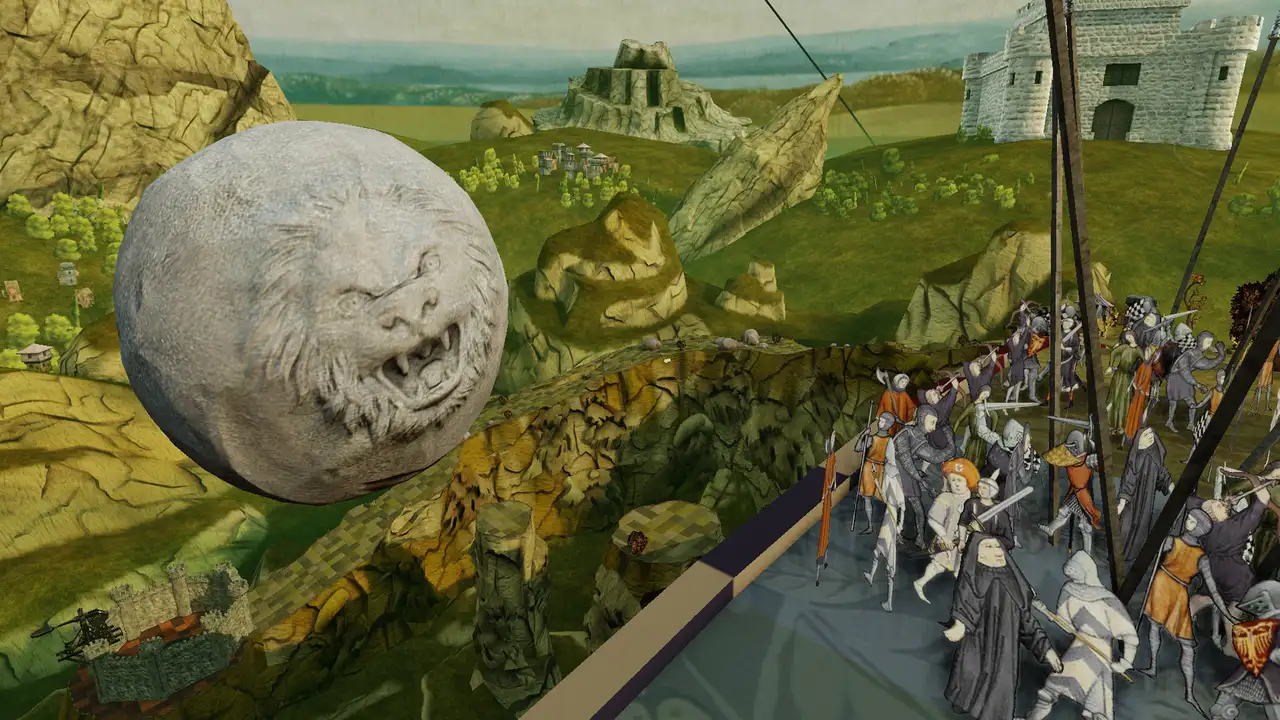
Switch-and-jump monolith puzzles form the backbone of the island, each built around a reset mechanic that acknowledges a simple truth: it is remarkably easy to screw a puzzle over and strand the solution. Being able to undo a mistake with a single input keeps momentum alive and removes the busywork that usually pads out puzzle games. The puzzles themselves are cleverly constructed, leaning on spatial reasoning rather than reaction time, and the late puzzle whose solution is simply not using every piece is a sly masterstroke of misdirection, rewarding the willingness to leave a tool untouched.
The monoliths also carry the narrative in ways most puzzle games never attempt. The island’s stopped watches are not decoration; they feed directly into the story’s themes, and the repeated-puzzle déjà vu that briefly raises the question of recycling reveals itself as deliberate design rather than fatigue. Even the author-figure who narrates the proceedings in-universe folds the structure back into the fiction. It is a puzzle game with a reason for every puzzle, which cannot be said of most of its peers.
Difficulty balance is the wobble. The curve is erratic: one genuinely stumping puzzle arrives, is cleared, and is followed by easier challenges rather than harder ones, inverting every expectation a puzzle sequence normally builds. Nothing ramps steadily, so the sense of progression comes from the story instead of the mechanics. That choice will divide opinion, though the generous puzzle-skip option means nobody is ever truly stranded, and the casual ambition the game wears openly makes the looseness feel deliberate rather than sloppy.
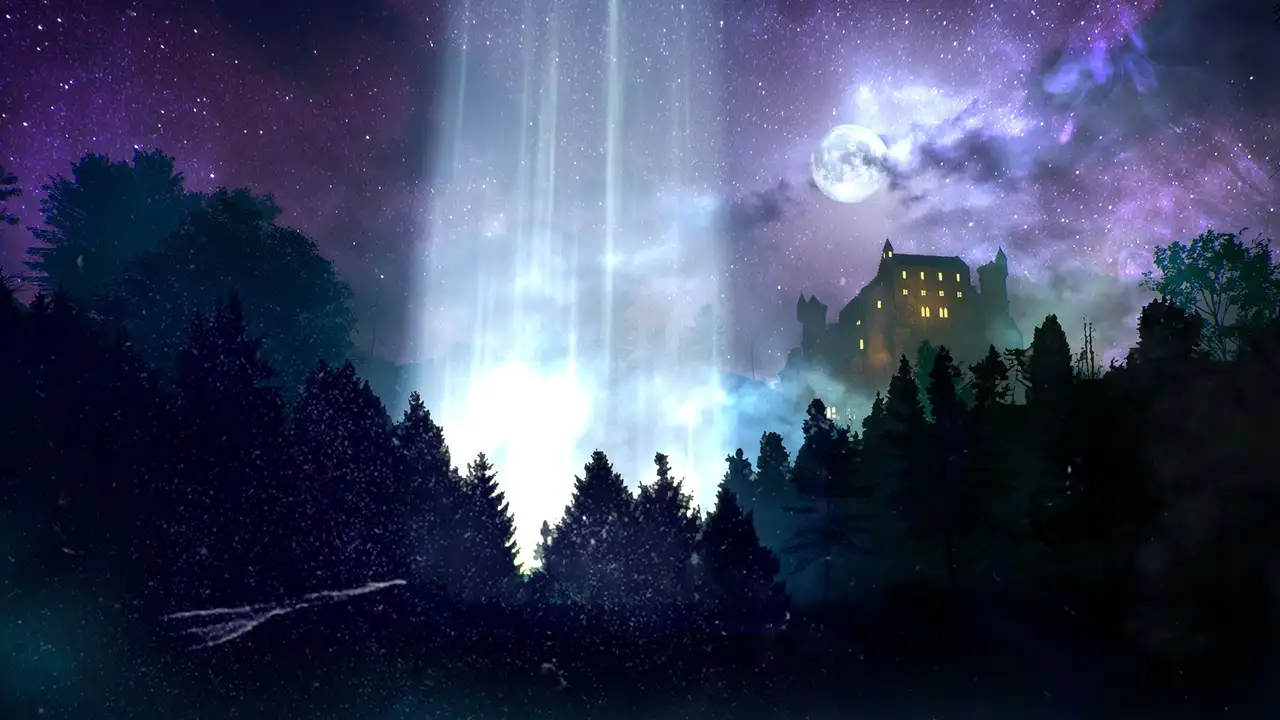
Presentation and music deserve equal billing. The art style is clean and expressive, shifting tone in step with the writing, and the soundtrack opens with a title theme strong enough to carry the whole game, mellow and relaxing in a way that suits both the island’s mystery and the game’s casual ambitions. Accessibility is limited, however: there is no settings menu of any kind, no fullscreen or windowed toggle, and a single movement speed with no walk option, which grates mildly during stretches that reward caution.
As for the ending, describing it would be doing nobody a favour. What can be said is that the finale reframes the journey in a way that retroactively justifies the story-first design, and the register it lands on is genuinely bittersweet rather than cheap. The tone shift from light banter to melancholy was building somewhere all along, and the destination honours it.
Overall, this is a story-led casual puzzle game whose clever monolith design, reset-forgiving structure and gorgeous presentation make the three-hour journey more than the sum of its parts. The erratic difficulty curve and missing options menu are real friction, but neither dent the ending’s emotional weight. Puzzles, music and writing pull in the same direction, and the result is well worth an evening.