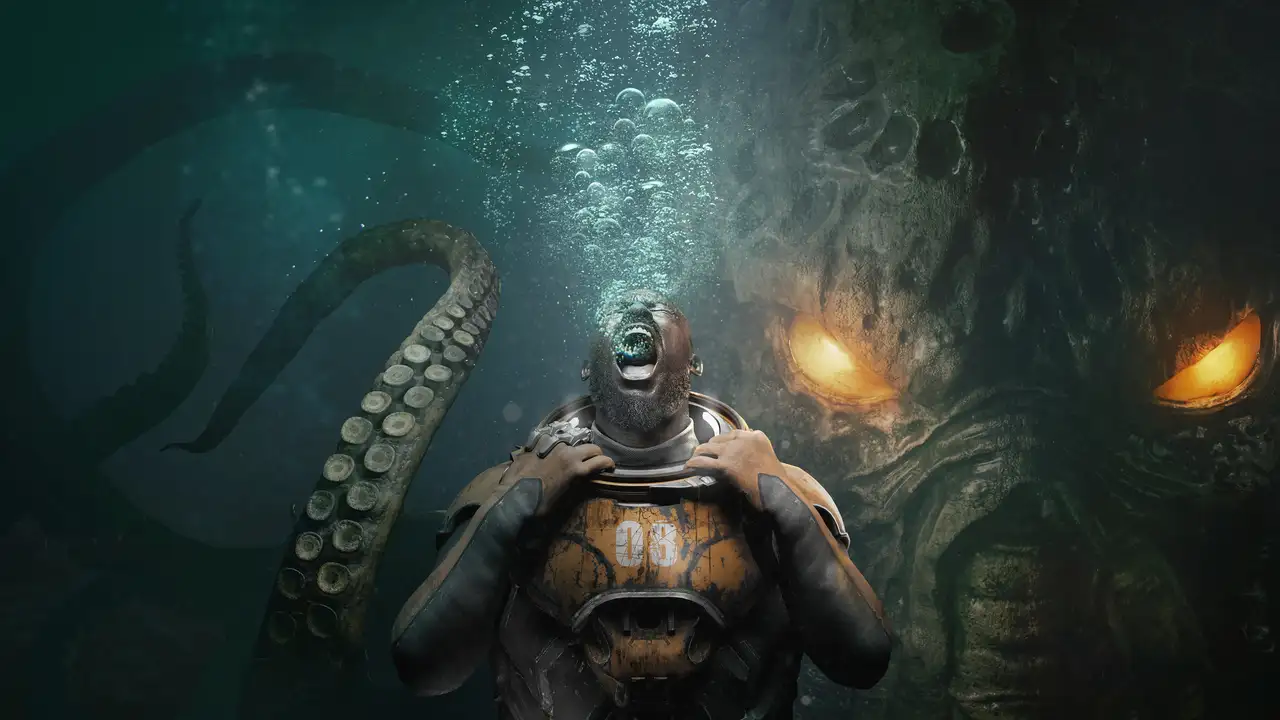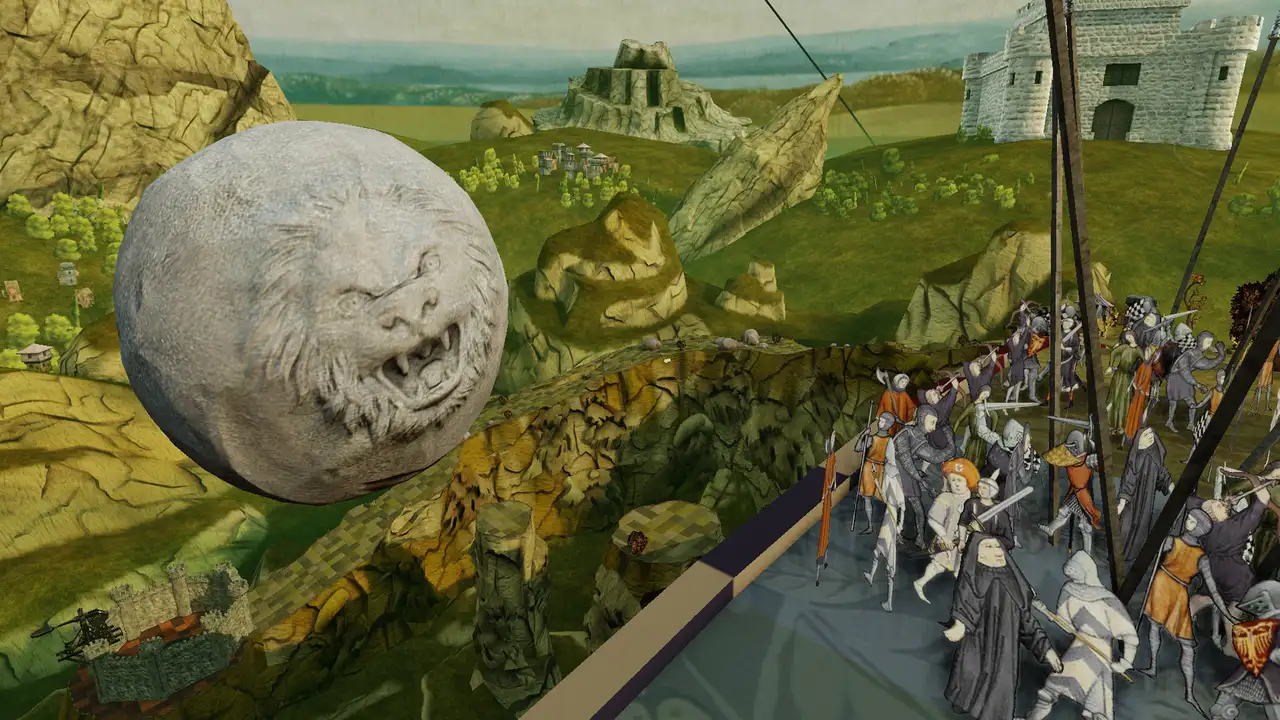
A mining station where interdimensional Dolmen crystals have torn reality open sets the stage for a sci-fi soulslike built on elemental loadout management rather than weapon arts. The grotesque flesh-and-bug aesthetic fascinates and repulses in equal measure, corporate-satire beats about the Company abandoning its miners land well, and the level design’s dizzying scale makes every new area feel like an ant’s-eye tour of a giant world. Lore arrives through terminals, dead bodies and scriptures about a vanished civilisation, though the density dries up noticeably after the first act.
The energy-mode elemental system is the mechanic that carries everything: reactors apply fire, ice and acid debuffs, with fire lowering enemy defence, ice slowing and acid mixing both, and energy mode converts the magic bar into an offensive resource. Element choice is a constant tactical decision for every enemy and boss, and the whole system earns its enthusiasm across all three acts. Heavy attacks stagger reliably once discovered, and ranged builds are viable enough to read as a legitimate easy mode against the worst encounters.
Character building runs deep: three tech trees spanning human, revian and driller lines, upgradeable armour tiers, weapon bonuses and a boss-rematch terminal on the ship hub that lets any boss be refought for three Dolmen fragments. Farming bosses for crafting recipes, claws and dual swords among them, creates a looter-ish progression loop no other soulslike in the field offers, and the power curve it produces is genuinely satisfying to ride. Beacons serve as the bonfire equivalent, nanites function as currency, and crafting runs without nanites entirely, an unusual economy that rewards planning.
Boss quality is wildly uneven: roughly seven of nine land well, including a two-health-bar General feared more than fought, but the act-two finale’s Zalanki and Labodja’s creation are miserable, with one-shot attacks that invalidate everything the build systems taught. The Queen fight that opens the campaign teaches the die-learn-triumph loop properly, and farming her afterwards sells the whole progression premise, but the lows sit low enough to leave marks.
The back half inflates difficulty in the cheapest ways: magnum-tier one-shot attacks, enemies that hit through walls, invisible cobwebs, near-infinite-stamina trios and gauntlet-style enemy packs that cannot be outrun and have no checkpoints nearby. The healing system is the biggest mechanical complaint, slow battery use that roots the player in place, a sluggish cousin of the genre-standard flask that turns every heal into a commitment. Act one is nearly flawless; the frustration compounds from there.
Small jank accumulates at the edges: armour auto-unequips when crafting, the beacon teleport menu is d-pad only, UI text carries a mis-spelling, and one late boss lacks a nearby checkpoint, a combination that wastes long treks after deaths. None of it breaks the game, but together it reads as a release that needed another polish pass, and the giant-world scale that impresses early becomes a burden when every death sends the player back across it. The corporate-satire thread deserves more credit than it gets: the Company’s abandonment of the miners gives the grotesque setting a human villain, and the ending’s loyalty twist lands with real sting. Combined with the ant-scale architecture, the worldbuilding does more with fewer words than the lore-note count suggests.
Overall, a janky but genuinely engaging sci-fi soulslike whose elemental energy-mode combat, deep crafting trees and boss-rematch hub carry it through one-shot bosses, hit-through-wall jank and a punishing back half. The build systems alone justify the trip, and players who ride the power curve will find the frustration worth surviving, even as the late game tests patience beyond what the early brilliance promised.