A first-person horror set in a nightmarish ward, told through notes, flashbacks and environmental hints: blood-written codes, a murdered-wife headline, a woman’s photo with a scratched-out face. The goal is escape, though the why stays murky through an aimless middle, and the ending reframes the whole thing with a reveal pointing at a Phase 1 operation and a guilt-driven backstory that retroactively justifies the confusion. Classic horror furniture fills the corridors: dingy bathrooms, ghosts, a child somewhere out of sight, and notes that exist purely to serve the puzzles.
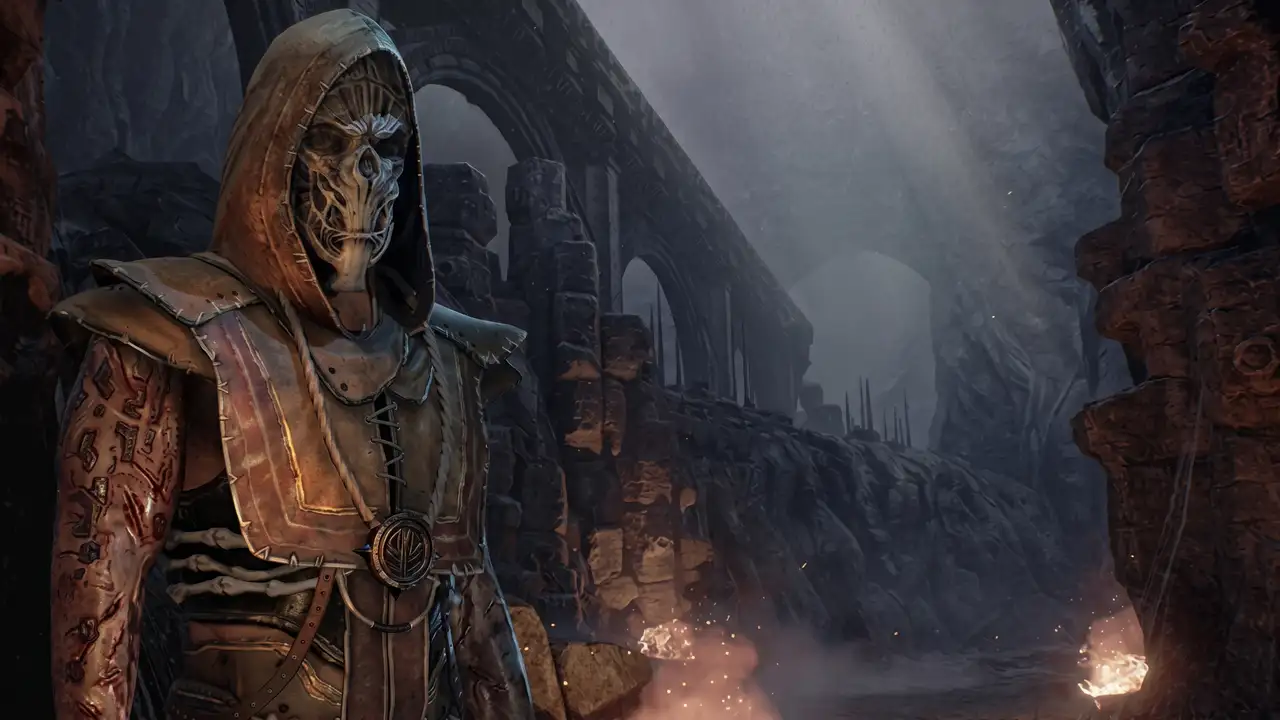
Oppressive darkness is the defining atmosphere, genuinely creepy and constantly fighting the player, with visibility measured in feet and barely three of them ahead. The unsettling heartbeat quickens as health drops, an elegant feedback loop that keeps the tension physical, and the near-zero visibility makes every corridor a negotiation. It is a horror built on what cannot be seen, and the dread holds up far better than the DS origins suggest.
The puzzle design is the campaign’s cleverest layer: a blood-drawn date code, a toy piano melody spelling a word, a count of the dead men’s eyes, and a favourite alphabet-shift cipher decoding a door number. The in-world notepad, where the player literally writes codes down by hand, is the handheld DNA showing in the best way, a pencil-and-paper texture few modern horror games bother with. Codes and keys drive a strictly linear structure across fast-cycling chapters, and the toy piano in particular earns a genuine smile at its audacity.
Combat escalates nightstick, pistol, shotgun and sniper, with a welcome night-vision mode on the rifle, against mutants, leech-slug babies, spitters, banshee screams and flying heads. The Cleaver boss and a quipping final opponent give the chapters punctuation, and the shotgun’s arrival is a genuine relief after the pistol’s starvation. Enemy AI bugs out in walkways but runs straight lines elsewhere, an inconsistency that occasionally helps and never quite hurts, and the 20-damage hits from the small enemies sting disproportionately.
Friction accumulates in the handheld bones: two pistol clips maximum, no flashlight-while-aiming, no sprint, and confusing weapon-switch prompts that cause self-inflicted damage repeatedly, four times before it stops being funny. Slug enemies are awkward to hit in the dark and become the game’s biggest mechanical annoyance, best avoided by running, and the leech-slug babies are worse than their parents. Door-opening jump scares work early and wear thin by the end, thrown far too often to stay effective, though they never stop being at least slightly effective.
The remake holds up better than its origins suggest, with mixed 3D models and sprites that read as deliberate rather than dated, a rebuild that barely feels like a DS game until the bones show in the friction. Roughly three to four hours cover the whole thing, a single-evening length that suits the linear structure, and the short span keeps the aimless middle from overstaying. Cheap scares aside, the craft is real, and the pacing never demands more than one night.
Overall, a short, effective handheld horror that shows its DS bones in clunky switching, tiny ammo reserves and repeated door ambushes, but delivers real dread through oppressive darkness, heartbeat feedback and clever notebook puzzles. The ending’s reframe retroactively earns the murky middle, the puzzle craft earns genuine admiration, and the evening it asks for is worth giving.