Roughly a decade after Earth’s energy infrastructure collapsed, the WSA intercepts a signal from the lost Outward colonists, the arcs that fled a dying planet, and dispatches a salvage mission to recover what remains. That mission anchors a story braided across three timelines: a childhood shaped by a conflicted Lunar Council figurehead, a colony’s descent from utopian promise into famine, repression and civil war, and the present-day retrieval effort itself. It is a structure built on family drama rather than spectacle, and it commits fully to that choice. Where the first Deliver Us The Moon told its story through a lone astronaut’s silence, this follow-up gives the silence a voice and a history. The result is one of the more emotionally weighty narratives the hard-sci-fi adventure space has produced.
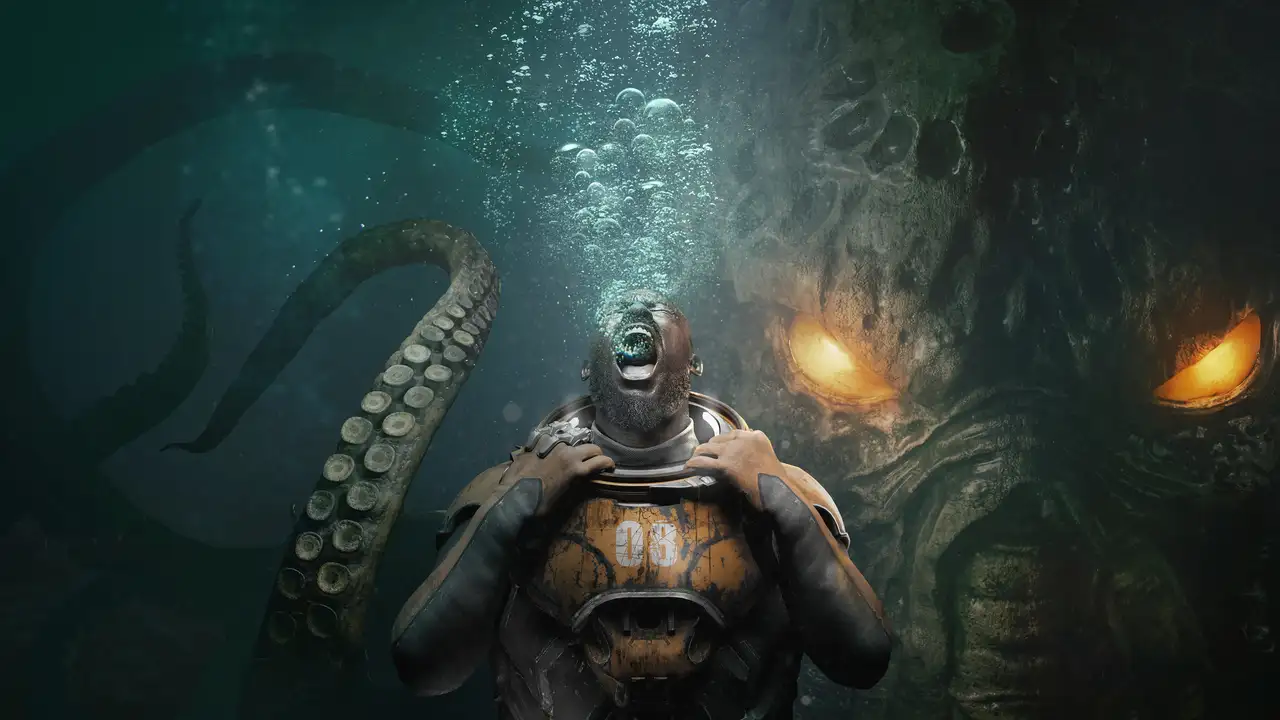
Movement is the clearest mechanical upgrade over its predecessor. Character traversal feels responsive where it once looked strange, and the ESC drone sections benefit from the same tightening. Zero-gravity flight and underwater swimming are the traversal highlights, both handled with a floaty momentum that makes the weightless stretches genuinely pleasurable rather than ornamental. Rover driving links the facilities, and the docking and launch sequences return as scripted set-pieces that retain their ceremony.
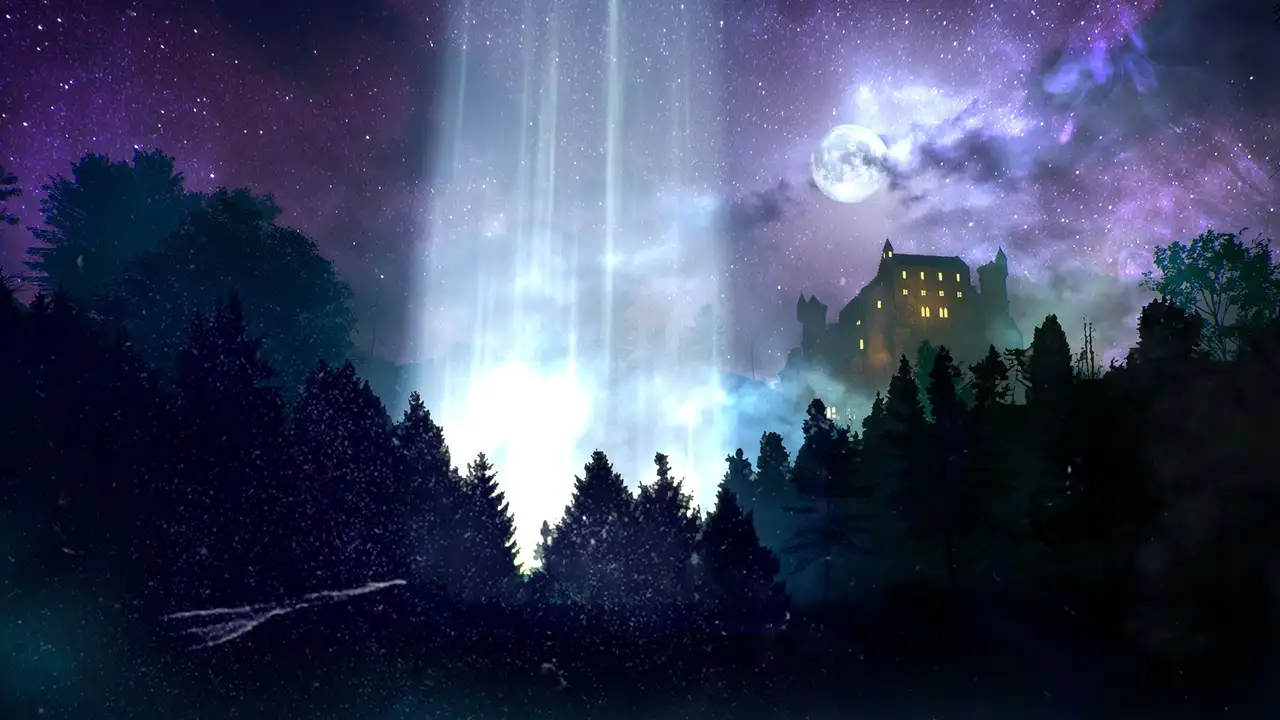
Worldbuilding arrives through a rich collectible layer. Scan lore documents Outward’s technology, hologram logs chart the colony’s collapse from within, and the Moonman/Marsman comics, an in-universe series that literally summarises the previous game’s plot, double as worldbuilding glue. The collectibles are easier to find than in the first game, and hunting them down rewards attention to quarries, ice-bound facilities and the frozen greenhouse. The bioluminescent water and the colony’s uniform aesthetic give the environments a cohesive, slightly cultish identity that suits the story’s ideological fracture.
The beam-routing puzzles form the core mechanical vocabulary, aligning light beams with splitters, resistors and receivers in the series’ signature energy-infrastructure mould. Each chapter introduces a new environment and a fresh puzzle dialect, which keeps the cadence varied. These MPT-style alignment puzzles are never fiendish, but they occupy the hands while the story works on the nerves. Occasional stealth segments break the rhythm without ever threatening to dominate it.
Climbing is where the mechanical confidence slips. The very first climbing wall refuses to register grip points despite a surface that visibly reads as climbable, and no amount of repositioning convinces it otherwise. Later walls behave, which confirms the introduction was a mis-textured fluke rather than a systemic failure, but the damage is done: a mechanic already on the uncertain side, with slow movement and ambiguous surfaces, opens on its worst possible foot. Everything after is measured against that first impression.
Pacing falters in the middle chapters, where backtracking between facilities and the rover occasionally pads out stretches with little to interact with. Escalating emotional stakes land hard throughout, but the downtime between them accumulates. The finale closes on a deliberately unresolved note for Earth, a bleak coda that suits the story’s moral ambiguity, and the credits roll without a post-credits reward for anyone who waits through them.
Overall, this is a worthy, story-driven follow-up that trades a few traversal rough edges for a genuinely moving family drama about ideology, neglect and collapse. Improved movement, excellent zero-gravity and swimming traversal, and a collectible layer that doubles as lore make it every bit the equal of its predecessor. The climbing stumbles and the padded middle chapters are real, but neither dims the story’s pull.