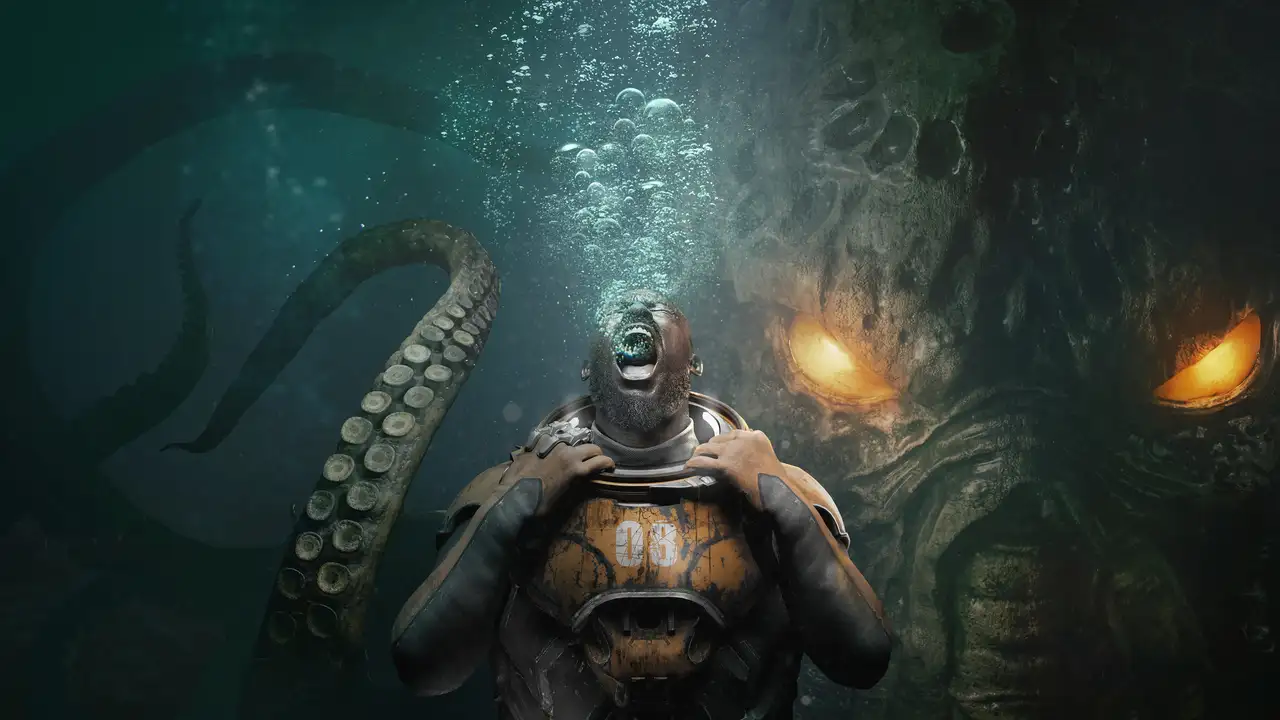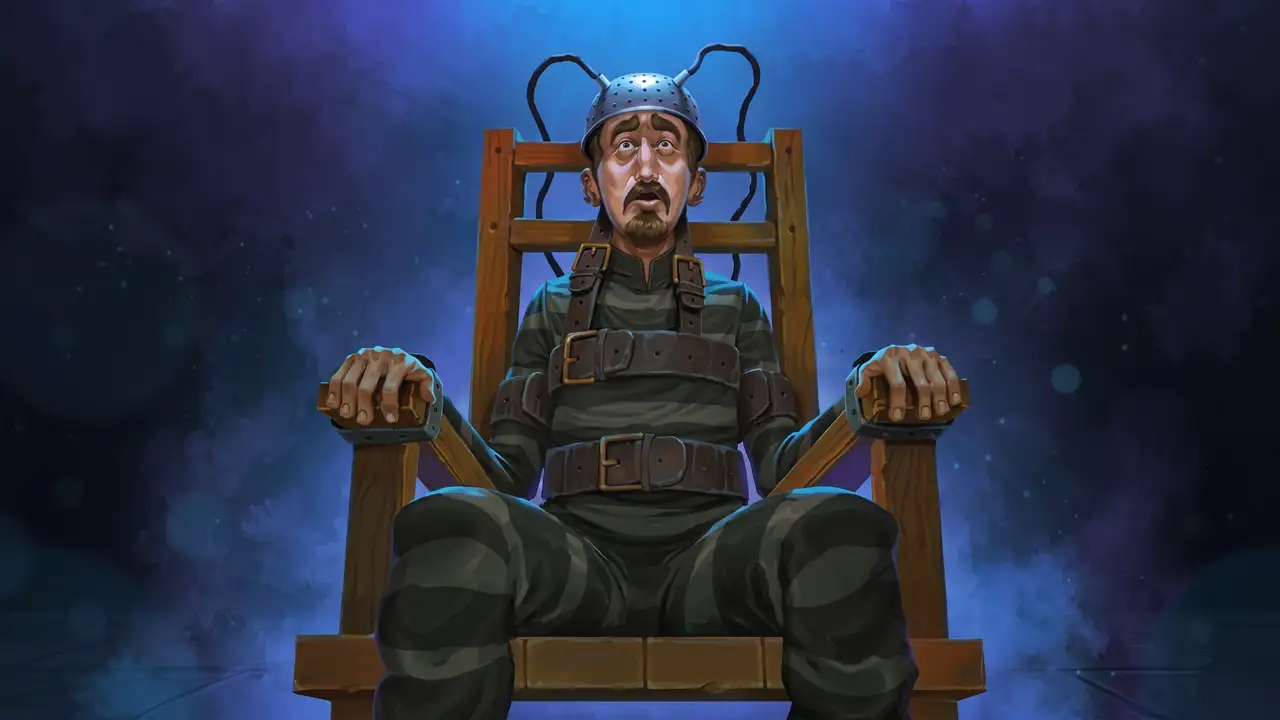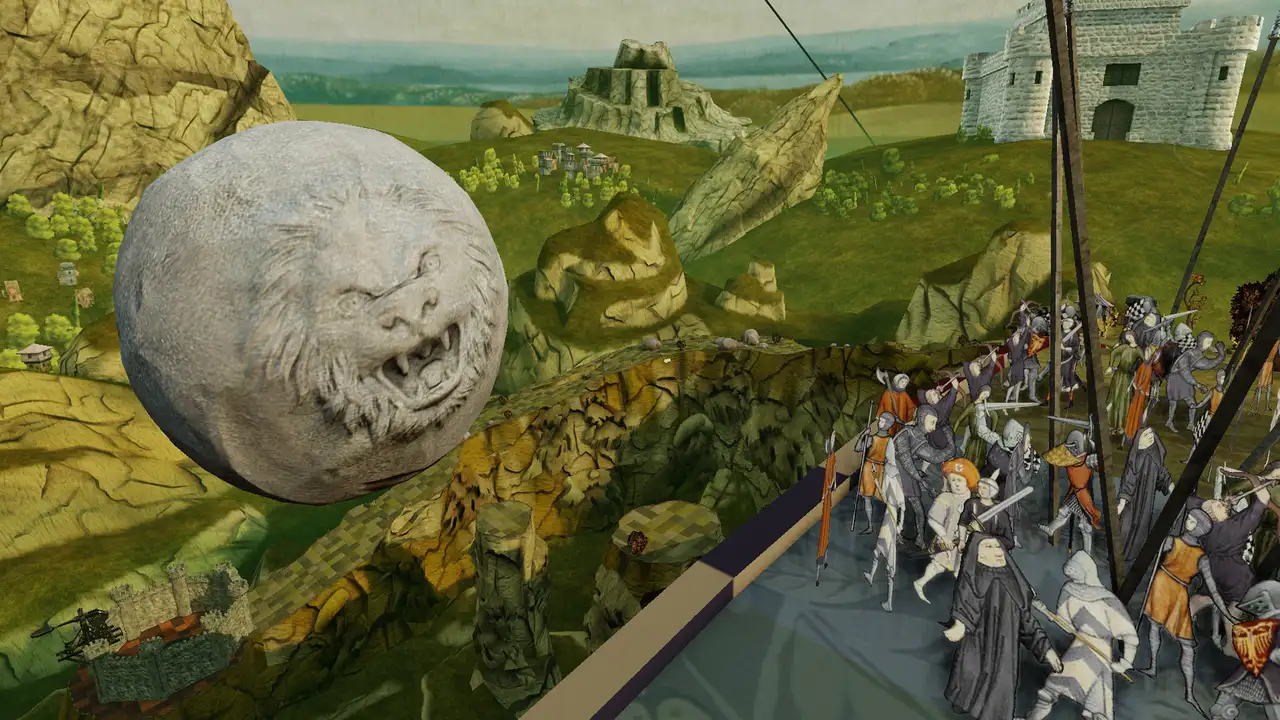
A decaying medieval-sci-fi city tears itself apart between a church that worships death and cultists who weaponise the essence of life, and a crusader walks that battlefield binding the essences of the fallen. The premise alone earns attention: four dead souls, zealots and revolutionaries and monks and mages, share a single body, and binding them mid-fight is the build system. Opposing belief systems conflict mechanically when bound together, with incompatible pairings costing stats and synergies granting bonuses, and the menu work of optimising combinations becomes a genuine sub-system. No other soulslike makes the party itself the build.
The morph-strike loop is the combat’s heart and its intended answer. Building the sync meter and detonating an essence swap grants invulnerability windows and heavy damage, and success depends on embracing the swap rather than stubbornly sticking to one character. Each of the four carries distinct weapons, talents and rhythms, from a kicking martial artist to a fast poison-inflicting fighter whose speed makes her the standout, and the passive healing of inactive essences turns benching into a strategy. Once the full party assembles within the first hours, the mid-game bosses shift from punishing to genuinely manageable.
Worldbuilding arrives through the essences themselves. Each bound character contributes memory cutscenes, and the lore notes spell out the five stages of grief as both theme and structure, giving the grim, British-accented story an unusually coherent spine. The Church-versus-essence-mancer conflict draws real curiosity, and the closing reveal that the party remains bound and still refusing death lands as thematic payoff rather than twist for its own sake. The medieval-sci-fi mix stays a point of fascination throughout, even when an oddly modern gadget pokes through the tone.
The execution lags the concept. Maximum stamina is tied to current health, which sounds interesting and plays miserably: low-health characters become effectively unusable, and the design keeps attention pinned to a health bar rather than the fight. The overheat mechanic makes mages risky without making them rewarding, every cast builds heat, overheated characters explode, and decay runs slow, with a simple two-cast grace fix obvious and unimplemented. Item switching under pressure relies on a hold-plus-direction scheme with no menu fallback, and sprint mapped to one face button with dodge on another fights a decade of muscle memory.
The lower-streets area is the run’s low point. Snipers pinpoint from across the map, hammer-chain elites queue endlessly, and the navigation offers no shortcuts through its confusing layout, making the stretch a slog the rest of the campaign never repeats. Boss reuse compounds the sense of strain: the paid expansion markets five new bosses and delivers the main game’s roster again, while other bosses get downgraded to standard enemies elsewhere like palette swaps. The final fight’s knockdown and stun jank adds insult to a stretch that should be the climax.
Technical state shows the small-team seams. Streaming new areas triggers stutter severe enough to interrupt combat, a recurring aspect-ratio rendering bug squeezes the full screen into a bordered frame, a fatal error crashes during the final stretch, and one expansion death-state visually resembles a soft lock before reviving. One essence dying means game over despite the low health pools, a combination that turns every encounter into a four-way risk calculation. None of it is run-ending, but all of it is felt.
Overall, this is a genuinely novel soulslike whose party-swap premise, morph-strike combat and memory-based storytelling justify the time, executed with enough clunk to earn its asterisk. Health-stamina coupling, punishing overheat, an awkward control scheme, the brutal lower-streets stretch and a lazily reused-boss expansion are real costs. The ideas underneath remain unmatched in the genre, and the core loop holds together once the swapping clicks.