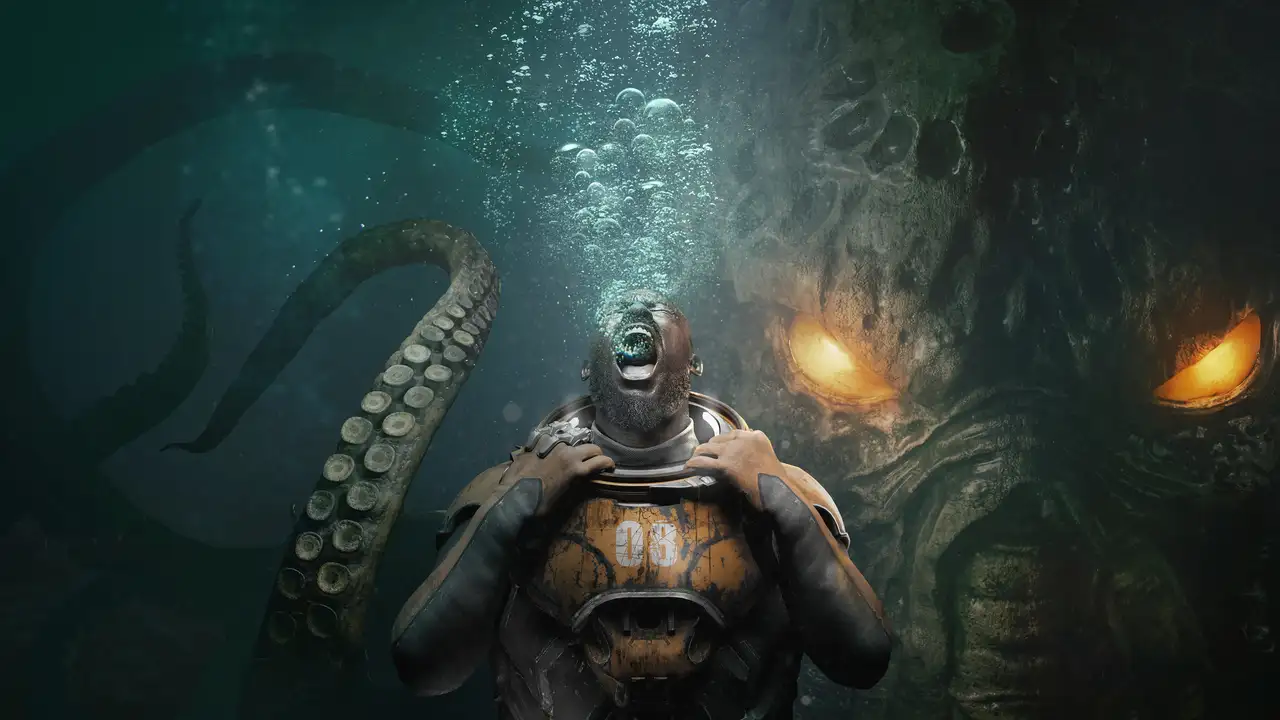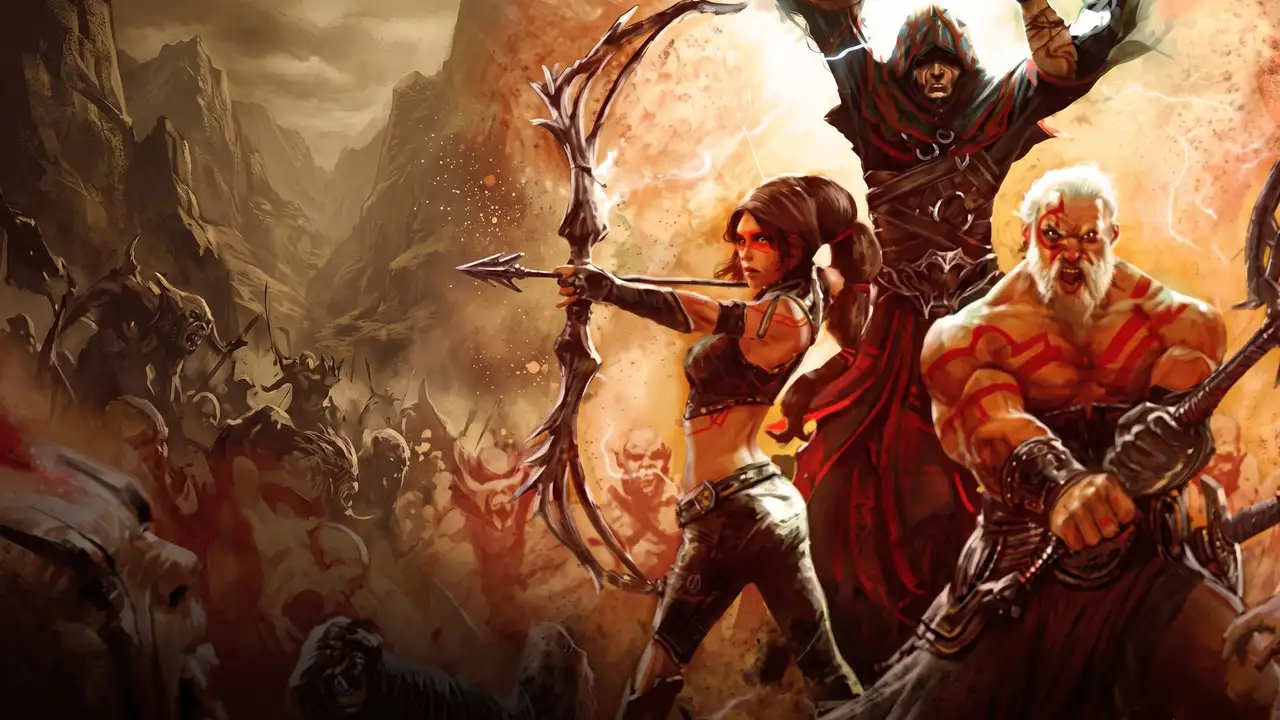
A wizard-raised apprentice journeys to Stonehelm to deliver the Shanti crystal and finds himself at the centre of a prophecy, with a demon father imprisoned beneath the world and a choice between sealing the Skull of Shadows or freeing him. Dark Messiah of Might and Magic tells its 2006 dark-fantasy tale mostly through books and environmental storytelling rather than cutscenes, and the lore depth rewards the reading-inclined. Necromancer lairs, undead islands and bone dragons furnish the gothic atmosphere, while Zanna the demon companion supplies moral tension against Lyanna. The climax offers a light/dark ending choice with real divergence. The premise is conventional; the sandbox it is delivered in is not.
Kicking is the primary verb, and no other first-person fantasy game commits this hard to a boot. Goblins get punted off ledges, cyclops eyes get kicked, necromancers get booted into spike pits, and enemies can be kept kicking back into the same hazard indefinitely. The Source engine’s physics interactivity makes everything a potential projectile or hazard, and forging an Earthfire sword at a working in-world forge is one of many tactile flourishes. Throwing environmental objects into crowds, impaling enemies on spikes and dropping them from heights produces creative emergent kills that never stop being funny. It remains a one-of-a-kind first-person melee sandbox two decades later.
The PC version’s hybrid skill system is a major draw, letting stealth, archery, magic affinity, melee and toughness be mixed freely rather than locked into four console classes. A mage-assassin-archer hybrid build is genuinely viable and genuinely fun, and the freeform tree rewards unconventional runs. Dragon-forged undead-slaying weapons arrive late and shred the gauntlets that previously devoured health, a satisfying power turn. Loot depth impresses throughout, with potions, rings and secrets scattered generously, even if some duplicate rings pad the pools. Progression stays engaging across the roughly nine-hour campaign.
The combat rewards deliberate play: charged strikes, backstabs, kick combos and rope-bow vertical traversal, with fireball arrows for ranged chaos. Archery feels dramatically better with a mouse than a stick, and combos matter far more than attack-button mashing. The friction comes from the same systems’ edges: finicky climbing, janky rope mechanics and inconsistent hit detection. Enemies know the protagonist’s position the instant an arrow lands, which undercuts stealth builds unpredictably. Undead gauntlets and zombie crypts demand so many hits per foe that the mid-game slogs until the dragon-forged gear arrives.
Navigation direction-giving is genuinely confusing at pivotal moments. The crypt gem hunt sends the objective in circles with vague prompts, and the finale’s skull instructions are opaque enough that the altar becomes a guessing game of experimentation. Secret areas are often not really secret, flagged in ways that make no sense as concealment. A slightly ambiguous quit-to-Windows menu quirk rounds out the small design curiosities. None of these break the campaign, but they ask the player to solve the game’s communication rather than its challenges.
The default control scheme is one of the weirdest and worst the era produced, demanding remapping before the first fight feels right. Against that, the PC version runs significantly better and looks significantly sharper than the 360 port, which suffered performance issues and the same clichéd story with locked classes. The linear chapter structure keeps pacing tight, and the two-session runtime leaves room for build experimentation on a second pass. As an early Arkane curiosity, it documents the studio’s physics obsession before the immersive-sim era. The comparison between versions is stark enough to make the platform choice itself a review point.
Overall, a flawed but endlessly fun cult classic whose kick-centric physics sandbox and freeform hybrid builds still feel special two decades on. Janky climbing, obtuse objective hints and a dreadful default control scheme are real costs, but the PC version is clearly the definitive way to experience one of a kind first-person fantasy design.