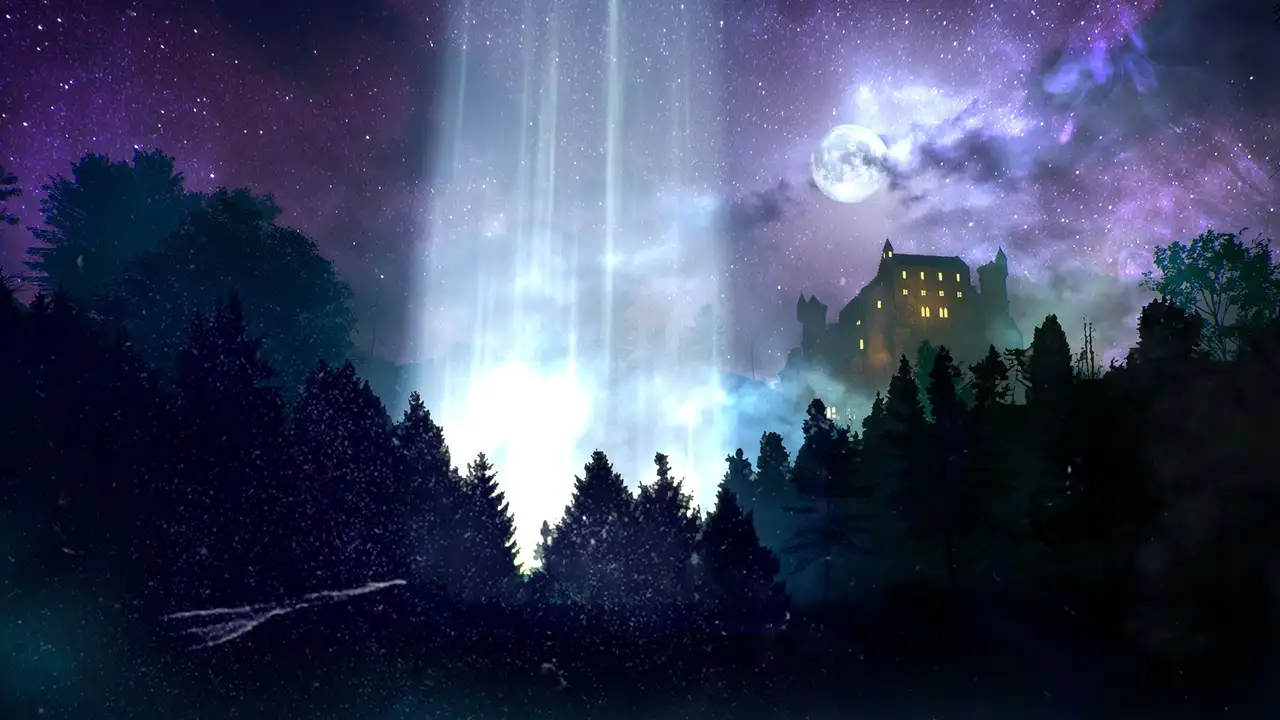
A grim fairy-tale forest opens when the small protagonist’s brother is snatched, and the rescue plays out entirely without dialogue: no text, no tutorial, all teaching done through environmental imagery and dream vignettes. The Limbo-adjacent register is earned honestly, with silhouetted lanky monsters, snap-kill traps and a deceptively cute art style hiding executions behind the storybook colours. The chapter progression (butterfly, forest, the little evil) structures a rescue that stays readable despite its silence, and the ending’s surprisingly light touch for such a bleak setup shows a studio that knows exactly how much darkness the picture-book frame can carry.
The wordless design is the identity, and it works better than it has any right to. Picture-book logic reads like nonsense and clicks together: clues conveyed purely through images, recipes assembled from environmental hints, dream sequences teaching mechanics without a single word. Solving the puzzles delivers the specific pleasure of having interpreted rather than been instructed, and the refusal of language is a genuine design stance rather than a budget constraint. It is the series’ founding statement, and it announces the discipline the sequels would maintain.
Highlights earn their billing. Trapping the chasing monster with a mushroom, poisoning the witch via her cauldron and the dream-catcher flute puzzle all land as inventions rather than echoes, and the witch’s cottage sequence delivers genuine jump-scares that convert casual curiosity into real tension. The owl-tower vial colour-mixing finale is the sticking point: opacity forces brute force, the differences between mixes resist explanation, and the puzzle is delightful when solved and opaque before it. Trial-and-error by death is the game’s other teaching method, and the frequent checkpoints keep it painless.
The absence of music is the strangest choice. Ambient forest sound carries the whole runtime alone, and the silence is deliberate but weird, leaving the atmosphere thinner than the art deserves. Odd resolution limitations block 1080p, and the controller refuses to work entirely, forcing keyboard play; neither is fatal, but both are sloppy for a game this small. The presentation gaps are the difference between a gem and a polished gem.
Roughly an hour is the length, and it is exactly right. The game does one thing well and gets out before it wears thin, the trial-death-respawn loop stays frictionless thanks to those checkpoints, and the pacing gives the witch chapter room to build tension the opening only sketches. The one-hour arc also makes the picture-book discipline feel confident rather than thin: nothing is padded, nothing repeats, and every puzzle is new.
As a first entry, it establishes the folklore universe, the lanky grotesques and the wordless teaching method that the series would refine across sequels, and it stands alone perfectly well. The owl tower and the witch cottage are the two peaks, the forest chapters are connective tissue, and the whole amounts to a tiny gem with real craft underneath its cute exterior. The silence is the price of admission; the imagery is the reward.
Overall, this is a short but sharp wordless puzzler whose picture-book logic, jump-scare witch sequence and forgiving checkpoints make a tight one-evening experience, despite opaque colour-mixing puzzles solved by brute force, a total absence of music and odd resolution and controller limitations. It does one thing well and leaves before it wears thin, and the series it founded is the best evidence the formula deserved to continue.