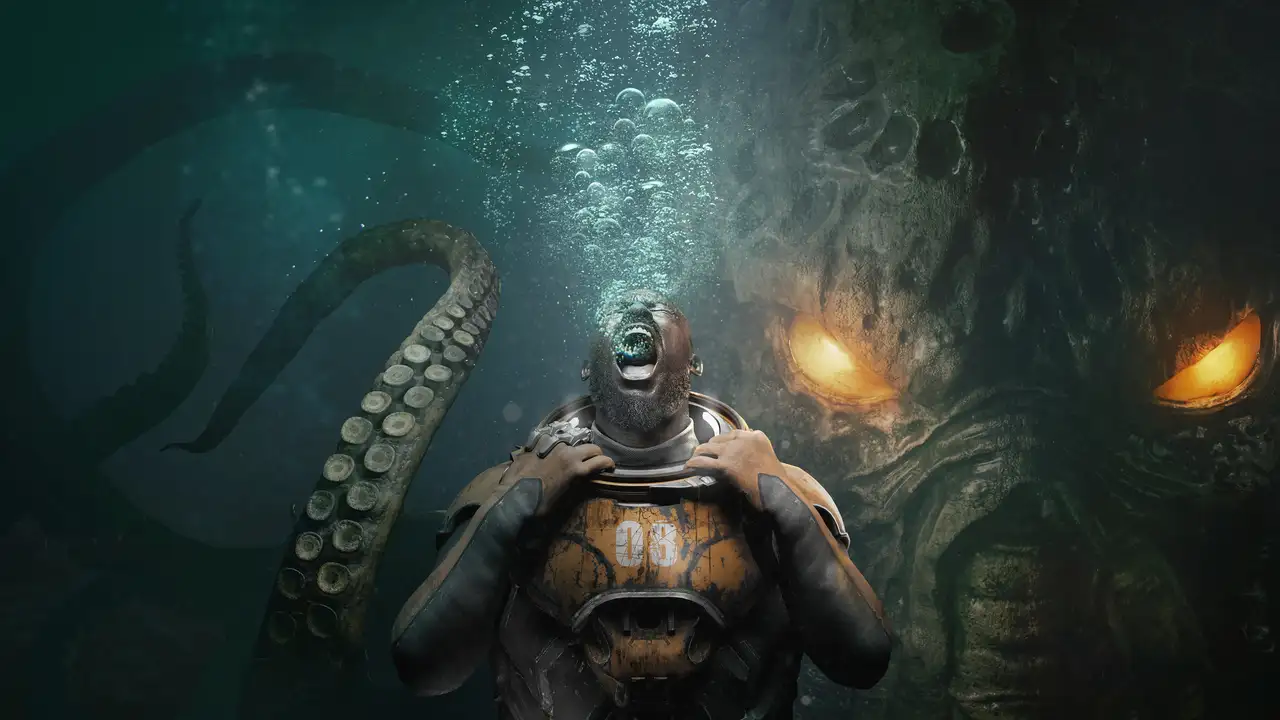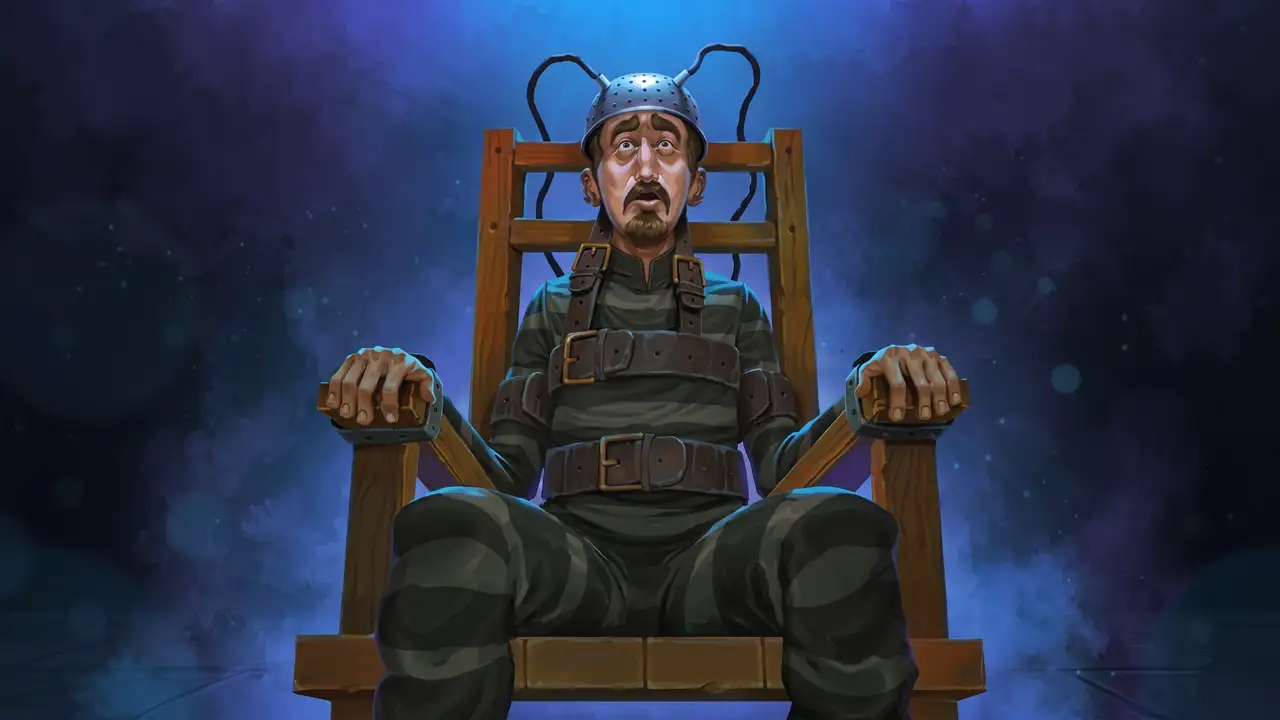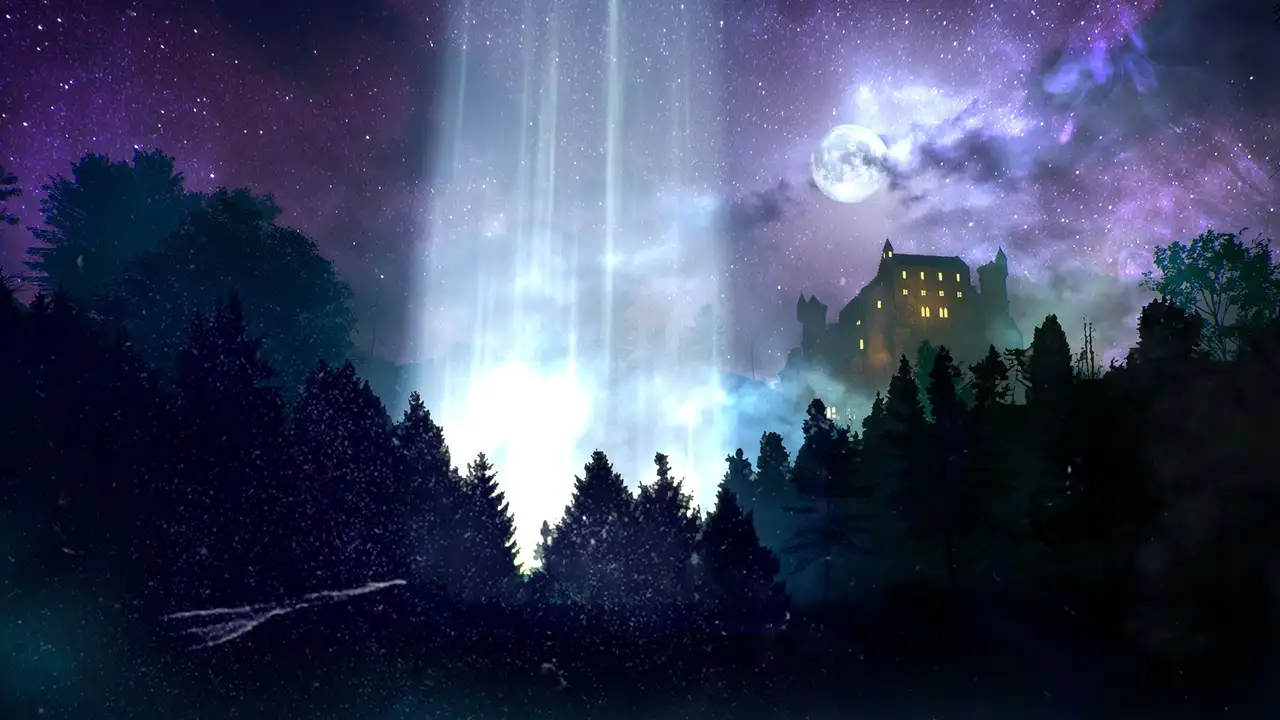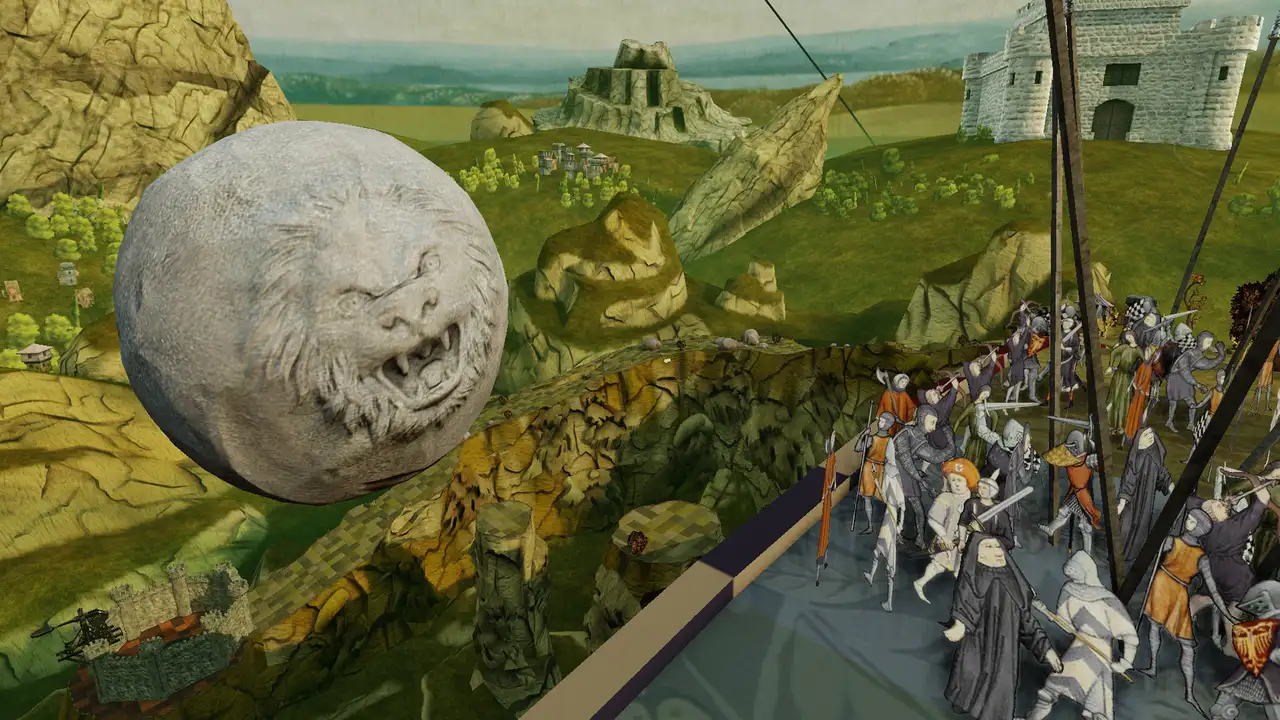
A young boy out fishing after the rain falls into another world of demons and quags, and the kidnapping he must undo to get home structures a Narnia-gone-wrong fairy tale told in the series’ flat, fable-like art. The tonal bait-and-switch is deliberate and effective: an idyllic mushroom-picking opening curdles fast, exactly as the folklore register promises. Familiar grotesques return (owls as nightmarish perches, Baba Yaga-coded hags, a one-eyed astronomer), and the art swings back toward the first game’s style now that hell is no longer the setting. The hand-drawn universe remains the series’ most valuable asset, and the fourth entry does not squander it.
The series’ defining achievement holds: across four games, not one puzzle mechanic has repeated. This entry contributes colour-dial lighting, constellation globes, golem revivals and chair-bird flight, each chapter distinct from the last, and the house-with-a-hostile-elder structure of earlier entries is deliberately de-emphasised, a change that broadens the chapter variety. Maintaining wholly original mechanics across an entire franchise is a rare discipline for a small studio, and the commitment shows in every chapter’s fresh verbs.
The chapter roster delivers the comic-grotesque peak the series trades on. Puzzle-dodging around hostile giants, reviving scarecrow golems with candles and the mushroom-feast trap sustain the grim-but-comic register, and the Granny’s-foot sequence (an interactive foot-rub escape with moaning sound design, evocative of the strangest old Flash operations games) is the standout. The kidnapped princess’s identity as a returning character from the second game rewards reference-spotters without requiring them, and the boat escape and sequel hook close the roughly two-hour arc. Death is frequent but consequence-free, which keeps the tone light.
The mine’s RGB-light puzzle is the difficulty spike that misfires. The dial stumps far longer than anything else in the series, and going in blind makes no sense until a hidden clock-position colour note is discovered, at which point the solution delights. The problem is placement: an in-world hint this essential should not be this hideable, and the spike feels unfair before the discovery rather than clever after it. The skull-lock colour and symbol puzzle is overcomplicated under its time crunch, panic-inducing rather than challenging.
The escape-boat stealth section is the series’ weakest stealth. Instant-fail patrols turn instantly, a one-shot call mechanic cannot be cancelled once triggered, and being spotted leaves no recovery path, producing surrender-as-strategy moments. The boat battle that follows spams enemies to the point of tedium, the one stretch where the game’s lightness becomes repetition. Neither section breaks the arc, but both sit below the standard the puzzle chapters set, and the contrast makes the dips more visible.
Chained point-and-click-adjacent chapters keep the pacing brisk, and the bow-armed boss battle and chair-bird flight give the middle chapters their distinct identities. The two-hour length suits the material: nothing outstays its welcome, the puzzle density stays high, and the difficulty (moderate with the two spikes noted) honours the series’ light-touch reputation. The ending returns the boy home and dangles more to come, an invitation the series has earned four times over.
As folklore horror, the entry balances grotesque body-horror gags with genuine comic timing, and the hand-drawn imagery (the owls, the hags, the bone-dark forests) continues to justify the franchise’s existence. Reference-spotters get their connections, newcomers lose nothing, and the standalone structure keeps each game accessible. The formula is unchanged and the formula still works.
Overall, this is a light, inventive folklore puzzler whose unbroken puzzle originality, comic-grotesque highlights and hand-drawn charm sustain the series’ streak, despite a blind-hostile mine puzzle, the franchise’s weakest stealth section and enemy-spam boat battles. Roughly two hours of fresh mechanics per chapter, a returning-character treat for series followers, and further evidence that this small universe remains one of indie horror’s most consistent workshops.