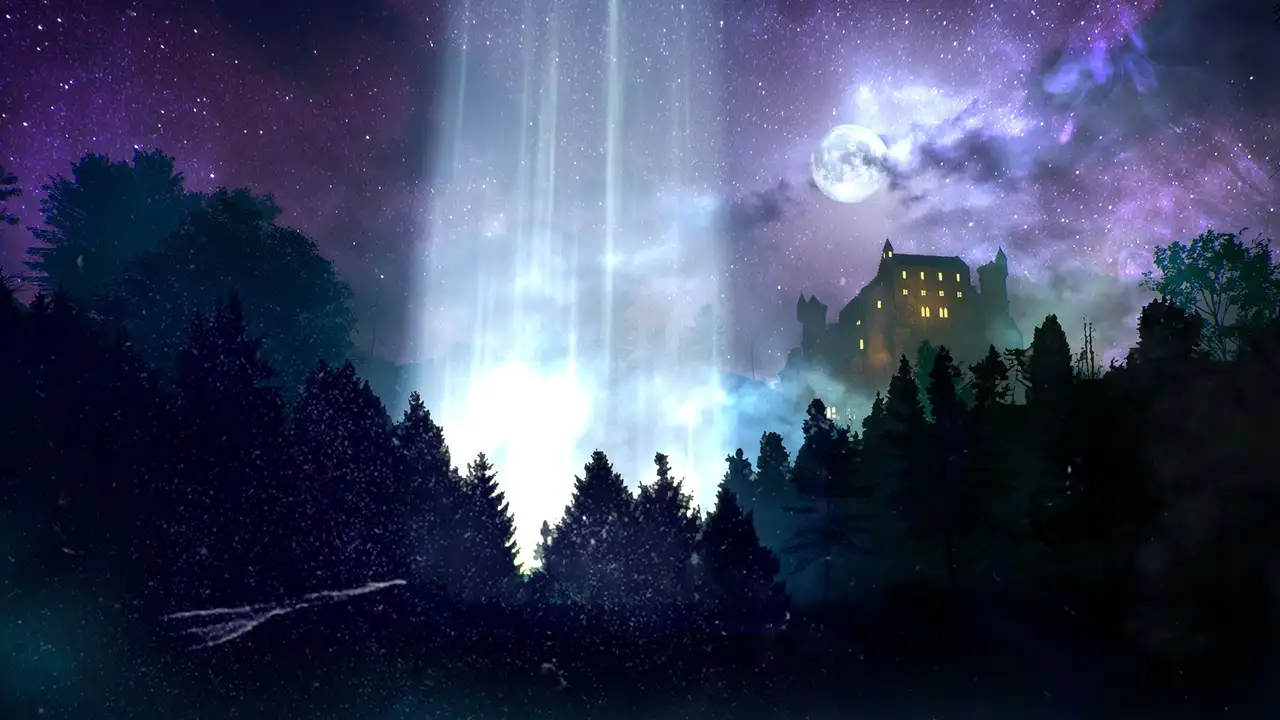
A bratty child punished for tossing bread in a puddle struggles through a Grimm underworld of swamp breweries, dream-catching owls, a tooth-harvesting dentist and a cemetery of chained carpenters to earn her way home, and the third entry sharpens everything the series does. The dialogue is the sharpest yet, with a dry-witted demon companion carrying exchanges and the protagonist’s spoiled-brat behaviour supplying comedy from the first five minutes. Film-grain presentation and a puppet-like cast keep the picture-book-horror identity intact while pushing distinctly darker than the previous two games. The descent structure gives the twelve chapters a clear arc.
The owl-tree mansion is the biggest and best chapter. A six-room stealth-and-puzzle labyrinth that dwarfs the equivalent section of the second game (a stretch clearable in five minutes there), it demands sustained attention and delivers the series’ most involved puzzle composition. Owls as nightmare predators with dream-catching mechanics, the demon who just wants to play, and the layered room progression make the mansion the entry’s structural peak. It is the clearest evidence that the formula had room left to grow.
Auntie Toothache’s dentist finale is the most memorable horror. Pulling teeth, including the protagonist’s own, to fuel a macabre machine, with the extraction made painfully interactive, lands as the series’ darkest set piece and its funniest in the same breath. The macabre-machine logic, the escalating desperation and the hands-on cruelty give the finale a physicality the earlier chapters only imply. After it, a fear of dentists feels like the appropriate response.
The sins-versus-good-deeds morality meter is a neat structural hook. A visible tally reacts to every choice, culminating in a waterfall scale that judges the ending, and tracking the count gives the twelve chapters a running scorecard. The trouble is transparency: left is always good and right is always bad, some junctures offer no choice at all beyond delaying or progressing, and the binary never approaches genuine moral weight. The meter is enjoyable as bookkeeping and hollow as a system.
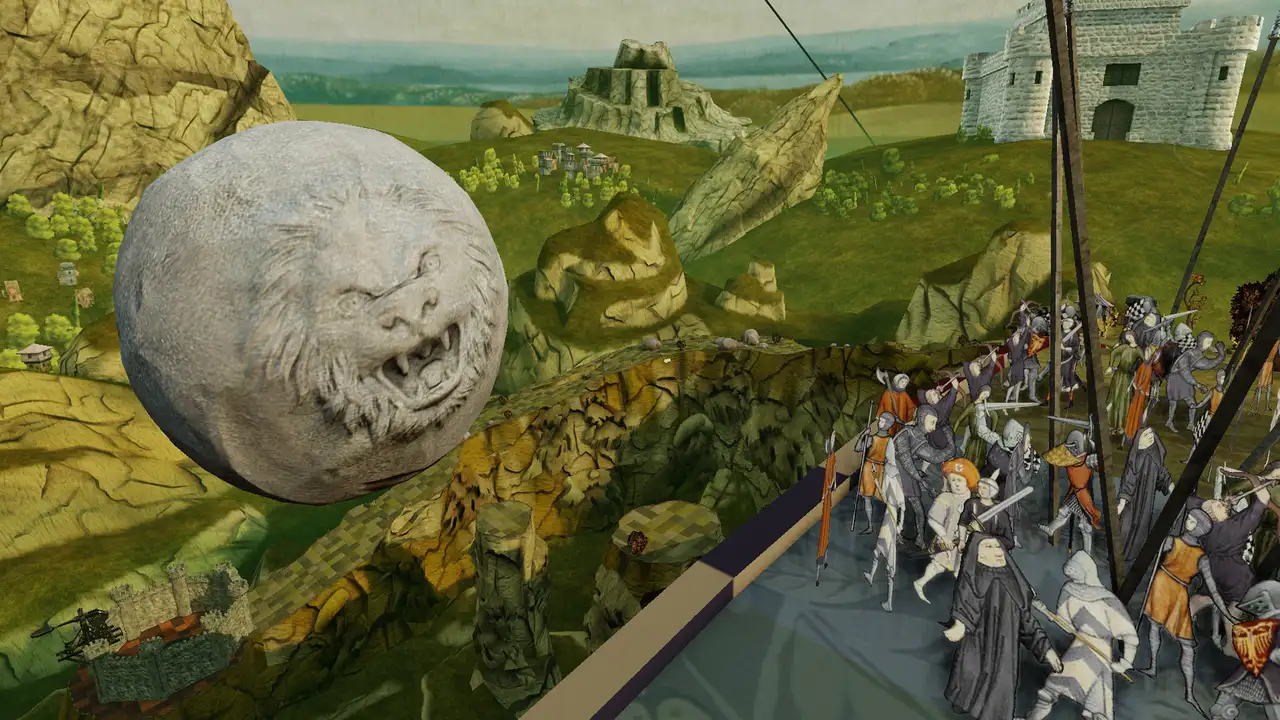
The finale’s dead-water fetch chain is the pacing drag. A longwinded slog of trades, keys and sacrifices across earlier areas, it reads as padding between the dentist peak and the ending, and the ritual-fetch structure makes the last chapter the least interesting stretch of the game. The cemetery’s light-out stealth is needlessly opaque, played blind by hope rather than observation, and one army-parade chapter plays itself almost without input. The dips cluster where the peaks shine brightest.
Dual-character sections in the castle (switching between the child and the Oldtimer) and the swamp-brewery puzzles fill the middle chapters with variety, and the chapter counter’s visible jump (a replay mislabelled between seven and eight) is a cosmetic quirk rather than a structural one. Roughly two hours is the right length, the inventory puzzles stay inventive without repeating across the series, and the child-peril horror keeps its comic timing intact throughout. The ending’s redemption beat is earned by the tally the player built.
As folklore horror, this is the fullest expression of the series’ identity: idiosyncratic grotesques, genuinely grim child-horror and wit in equal measure, with the Limbo-style atmospherics now backed by sharper writing. The film grain, the puppet cast and the darker register mark it as the series growing up without abandoning its picture-book soul. Newcomers lose nothing; series followers get the best dialogue and the two best chapters.
Overall, this is a dark, witty, roughly two-hour descent through fairy-tale hell whose owl-tree mansion, interactive tooth-pulling finale and razor-sharp dialogue sustain the series’ streak, despite transparently binary moral choices, a padded dead-water fetch chain and blind stealth opacity. The tally gives the choices a scoreboard if not a soul, and the whole amounts to the series’ darkest, funniest and most confident entry to date.