A man wakes alone at an Antarctic expedition base with no memory and a recently stopped heart, abandoned by his colleagues as a two-week snowstorm closes in. Notes, journals and phonograph recordings piece together an expedition to an ancient city beneath the ice, a psychoactive mixture called Diversia, shared dream-sessions and a crew sliding into madness. The narrative treats a certain 1936 novella as direct source material rather than loose inspiration, complete with Elder Things, shoggoths and the forbidden tome itself. This is adaptation with real reverence, not borrowed iconography.
The lore density is the campaign’s backbone, and it is genuinely well written. Diary notes, phonograph cylinders, museum exhibits and vision flashes layer together into a coherent account of what the expedition found and what it cost them. Trophy curios reward thorough exploration, and the documents never read as filler; each adds a strand to the mystery. Reading is not optional here, and the writing earns the obligation.
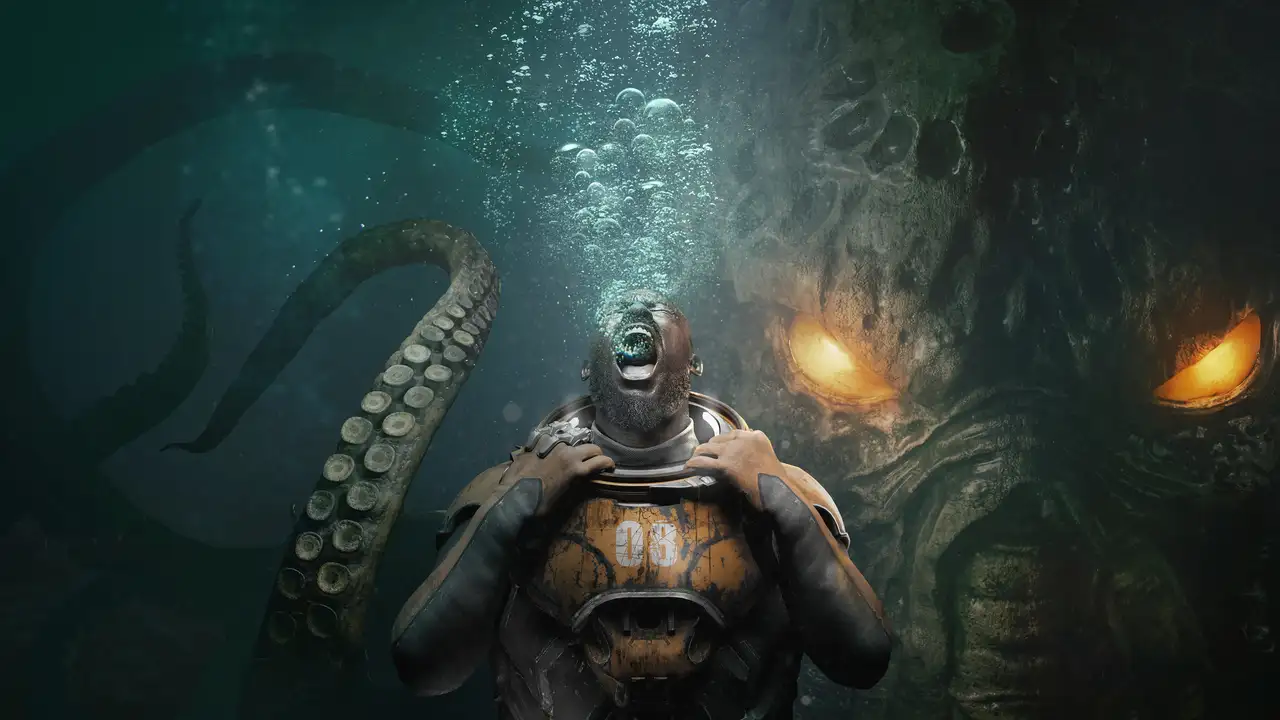
Atmosphere leans hard into oppressive darkness, with torch-illuminated notes, creepy statuary, whispers, spectral cats and an Antarctic blizzard pressing against the walls. Unsettling set pieces such as the talking machine and the mirror scene generate genuine unease, and the lighting design does quiet work throughout. The dread is consistent even when the scares are not, and the mood holds from the opening corridors to the drowned ruins beneath the ice. Sound design carries much of the weight with restraint.
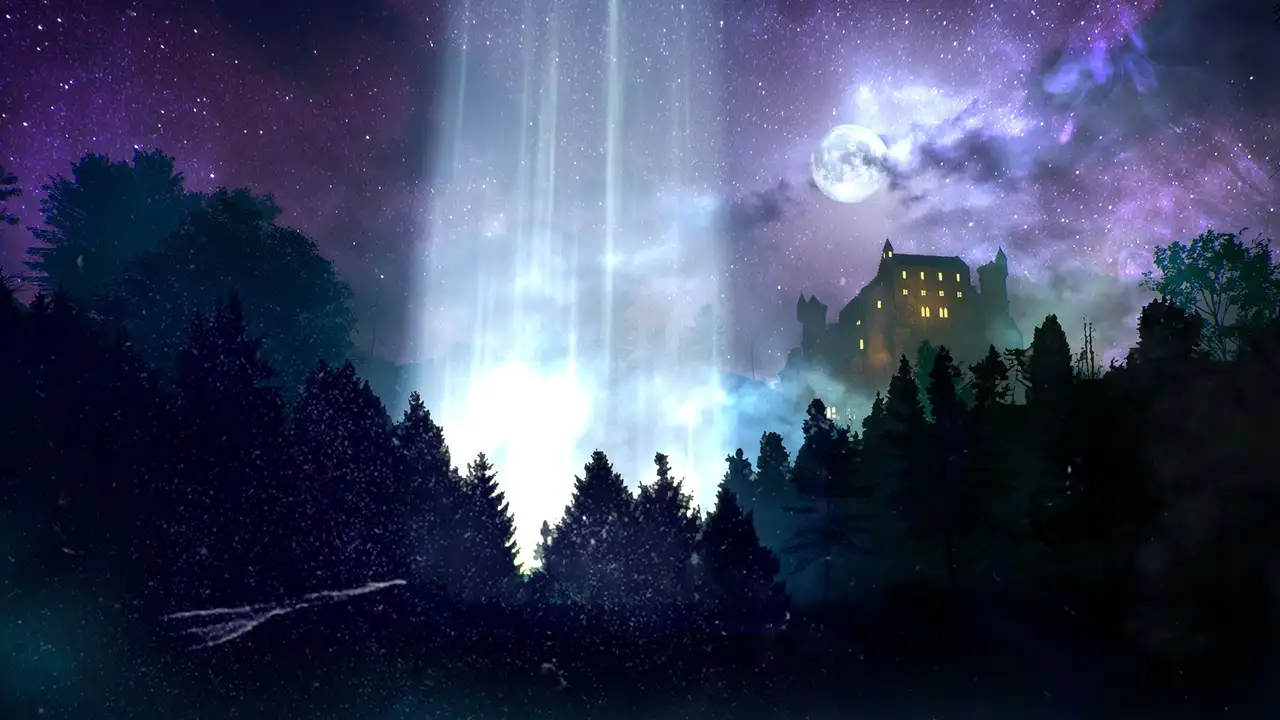
The puzzles are imaginative in concept but frequently fight the player. Glyph matching, ring alignment, a star-map projector and a museum riddle are all promising on paper, yet backwards controls (up and down to rotate, left and right to choose), unclear goals and answers that must be brute-forced or looked up undermine them. The nine-dot ring alignment in particular defeats any reasonable attempt at its stated rules. When the solutions make sense, the puzzles shine; when they do not, they stall momentum entirely.
The horror itself remains mild, with jump scares that land cheaply and tension closer to thriller than genuine terror. Exploration friction compounds the gentleness: doors and objects are perpetually stuck, identical corridors make it easy to get turned around, and ambiguous interactables demand pixel-hunting patience. Scripted chases and poisonous vines supply the closest thing to threat, and a light-emitting device clears the vine caverns without incident. There is no combat and no fail state, which suits the material but caps the intensity.
Progression runs from the base through a generator restart, lower chambers, vine caverns, a submarine descent and drowned ruins, with vision flashes of a decrepit house threading through the middle chapters. The finale builds to the ancient device itself and a transcendent transformation that lands as genuine body horror, strange and memorable in equal measure. The shared-universe link to the developer’s later cyberpunk mystery, via the same drug and device, rewards returning players even though the connection stays loose. Nearly everything, documents and trophies alike, is worth collecting in a single session.
Overall, the dense Lovecraftian writing and oppressive atmosphere make this the rare adaptation that honours its source rather than raiding it, and the strange finale seals the recommendation. Unintuitive puzzle controls, cheap jump scares and thriller-level tension are real deductions, but none of them breaks the spell the lore casts. What the campaign promises in mood and text, it delivers, and the puzzles are the only toll worth noting.