An alternate 1897, and a journalist boards the Helios, Nikola Tesla’s quarantined floating research utopia, to find her sister and a deck strewn with corpses. The premise promises a ghost-ship mystery and delivers something stranger, folding Tesla-versus-Edison corporate espionage and dimensional research into a single vessel rendered at a scale few horror games attempt. A giant theatre, hydroponic gardens, physics labs and bio labs all exist aboard one ship, and the art-deco detailing makes every deck worth staring at before anything bad happens. The story escalates from quarantine mystery to time-manipulation science fiction without losing its footing. Scattered notes, Wardencliffe newspapers, blackmail letters and radio plays build the lore layer, and the collectible design (passports, notes, blueprints) rewards thoroughness across chapters named for Greek gods.
The opening letter dumps lore before the game finds its footing, and the first chapter leaves the genre genuinely ambiguous, drifting between walking-simulator placidity and something darker. Once the horror arrives it is paced shrewdly: jump scares arrive frequently but are constructed with more craft than the usual loud-noise playbook, and the sound design carries dread between them. Pristine quarters sit adjacent to butchered bodies and unsettling masks, and the creeping orange glow of the anomalies stains the ship’s lower decks. Ambient dread converts to genuine fear in the bio-lab chapter, where one creature walks on walls. The threat mix keeps the chases varied rather than repetitive.
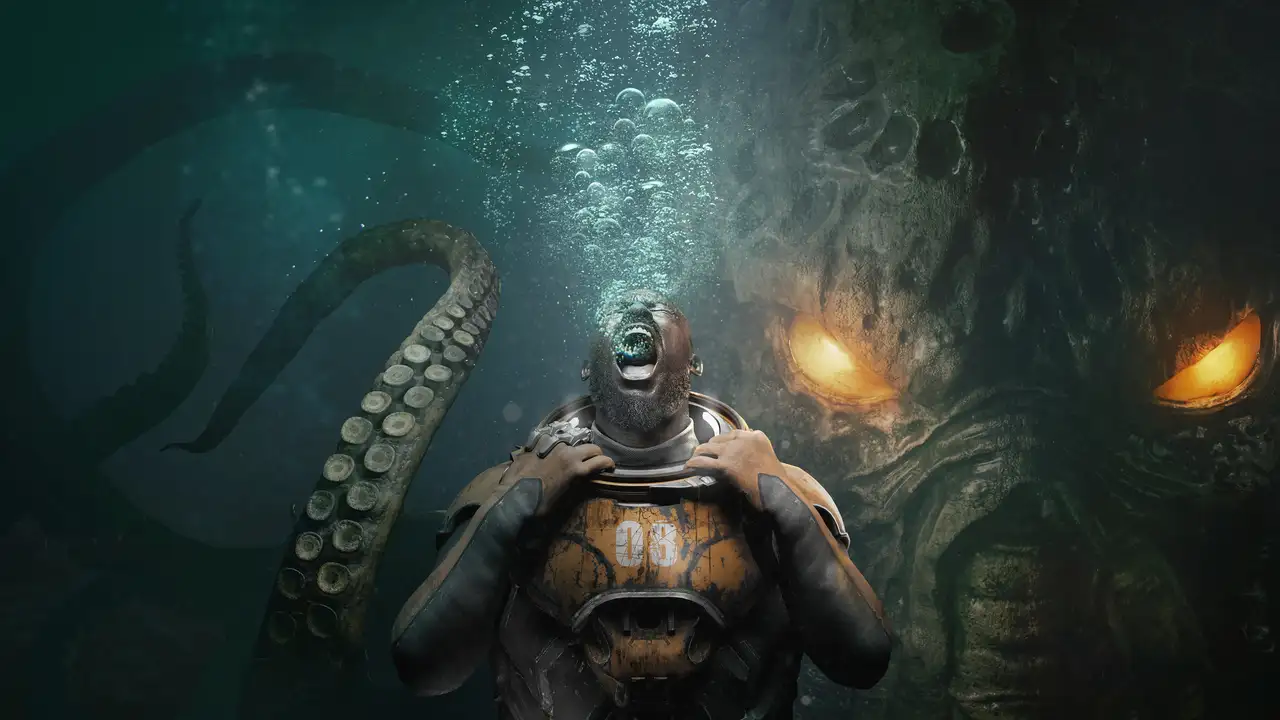
Ludwig, a knife-wielding lunatic, anchors the human half of the threat, and his theatre chase exposes a clipping quirk where the killer remains standing in plain sight after the duck. The EXO anomaly creatures handle the reality-breaking half, twitchy horrors that force sprints through the engine halls. Both chase types are scripted rather than systemic, but the staging earns the adrenaline. The theatre set piece in particular plays its scale for terror as well as spectacle. Together they prevent the middle chapters from becoming a pure note-collecting stroll.
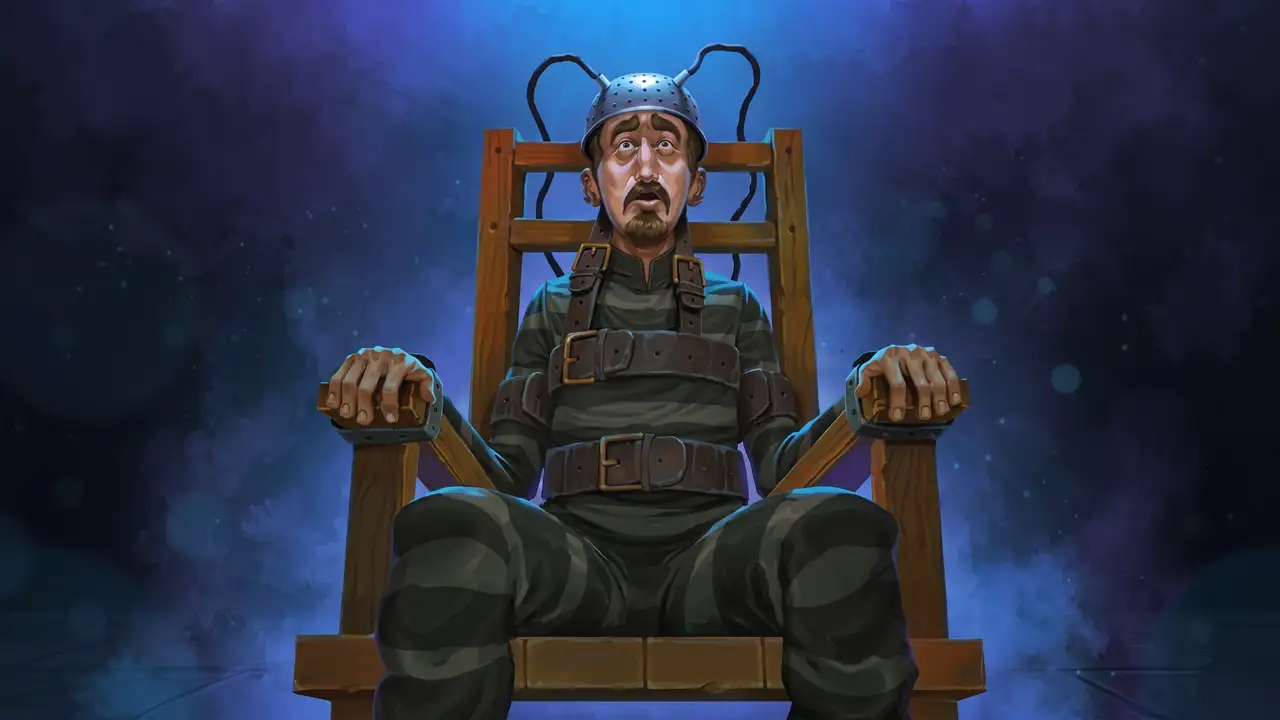
The Aubrey companion arc carries the emotional weight, an unseen radio ally engineering a path through the engine halls while slowly curdling into the villain. Radio-banter rescue missions build trust before the betrayal reframes every earlier favour, and the demotion-and-jealousy motive is legible in hindsight without being obvious in the moment. The closing reveal that the mysterious tube-message benefactor was a future version of the protagonist guiding her past self lands as the genuine payoff. Ada’s dimensional research caused the disaster, and the finale’s tower-collapse escape and paradox-fixing climax give the mystery mechanical as well as narrative resolution. The ending offers closure and the possibility of reversal, a generous note after the carnage.
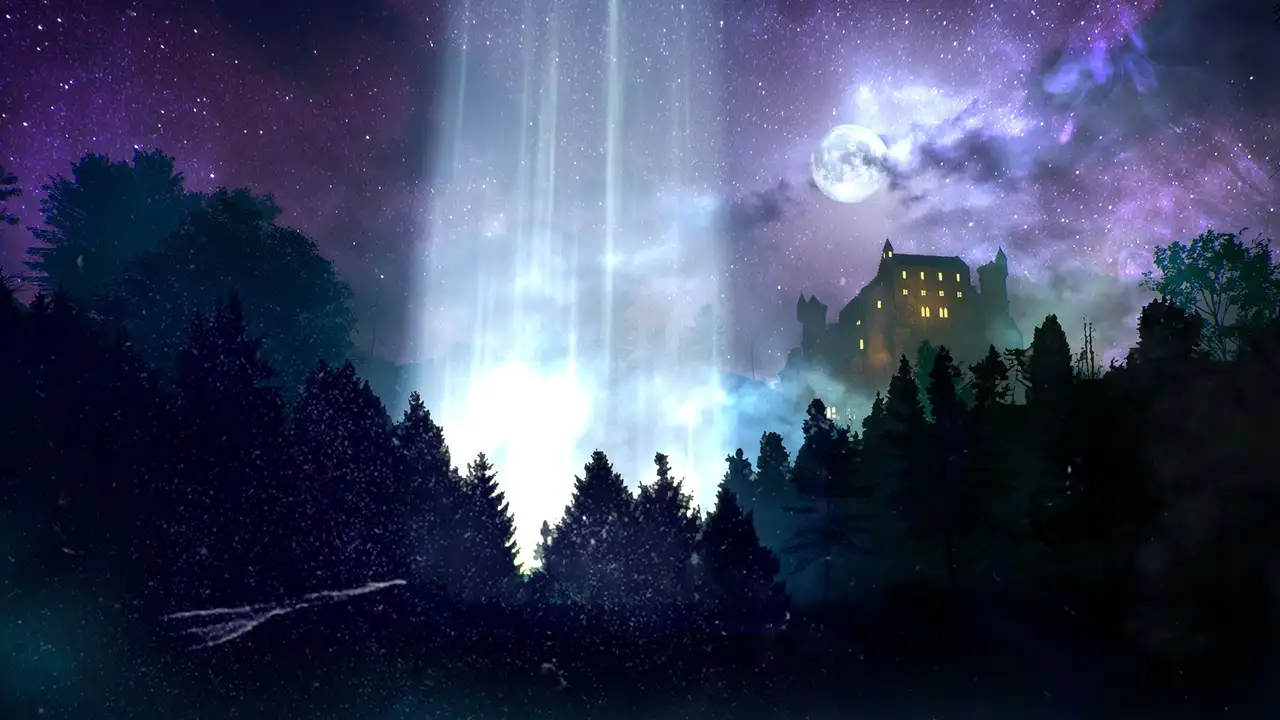
Movement is the persistent frustration: no crouch, no hide mechanic, a default run that feels glacial, and no jumping while sprinting, which kills momentum mid-chase. When the only response to danger is running, a crawl-pace run undermines every set piece built around it. Wayfinding fares little better, as the in-game ship maps render as useless diagrams and the engine halls invite circuits of the same corridors. The default brightness is nearly unplayable until the gamma slider is found, hiding the game’s best visual work behind a night-black default. None of these are structural failures, but all of them are avoidable friction in a game this confident elsewhere.
The light environmental puzzles (safe codes, symbol-pairing lab panels, valve and pressure routing, electricity set pieces) fill the gaps between story beats without ever threatening to stall them. Pacing holds chapter to chapter across the harbour, the Faraday apartments, the tech labs, the bio labs, the theatre, the engine halls and the garden before the Tesla Tower finale. The brief credit sequence arrives abruptly after the tower escape, a technical whimper at the finish line. The Switch port’s visuals lag behind the PC version, worth noting for anyone choosing between platforms. On PC the game runs as intended and looks the part.
Overall, a confident, atmospheric mystery-horror whose Helios setting does enormous heavy lifting, backed by a surprising time-manipulation twist and a memorable companion-turned-villain arc. The movement restrictions, useless maps and dark default gamma are real friction, yet the environmental storytelling and chase craft outgrow the humble expectations the slow start sets.