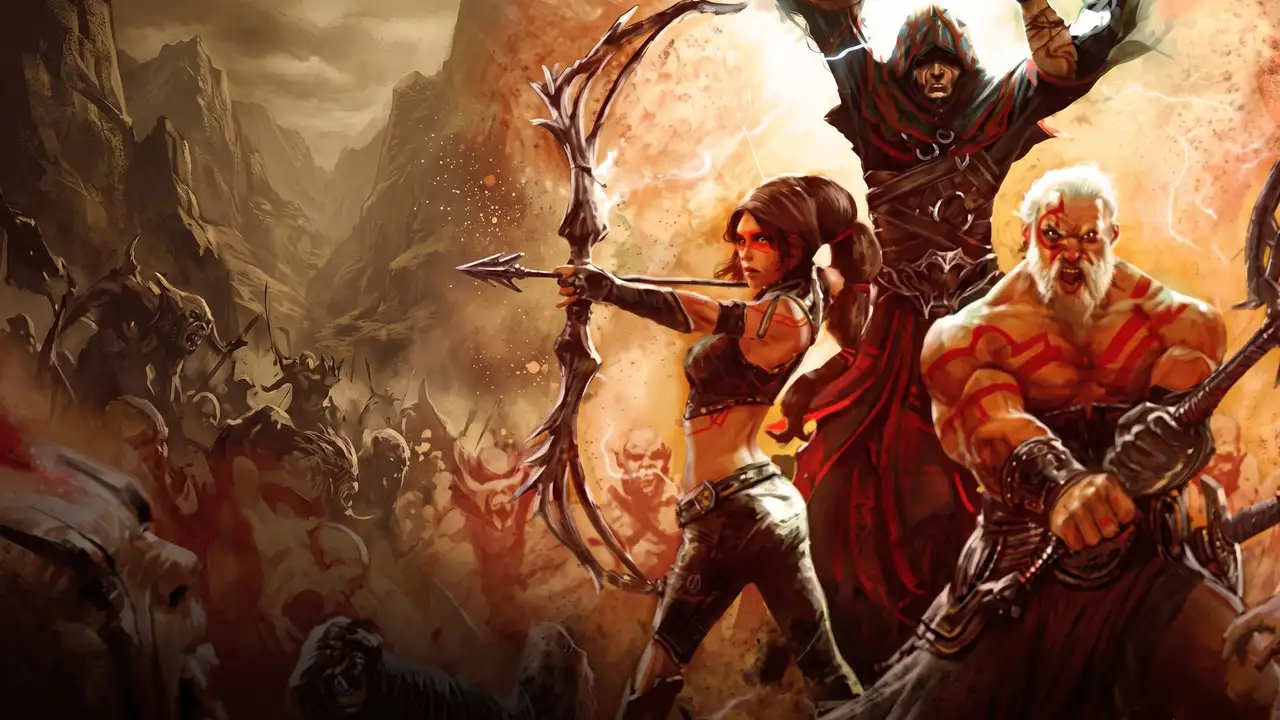
Mice, rats, badgers, beavers, moles and raccoons trade blows across twelve levels of spring, summer, autumn and winter in a brawler that wears its Golden Axe, Streets of Rage and Battletoads lineage openly. There is essentially no story; the appeal is the arcade rhythm itself, delivered through a woodland skin that renders cute animals with deliberately unsettling long-legged proportions. Punching snowmen in winter and enemies emerging from houses at night keep the staging lively. Dynamic touches abound, from water reflections to falling snow across the later stages, and they land far above what the budget suggests.
Three playable characters trade health, speed and power against one another, and specials burn through collected mushrooms, with each fighter carrying a different allowance of them. Pickups round out the economy: cherries for speed, attack-up boosts, healing mushrooms, and hallucinogenic drug mushrooms that invert controls, a hazard that afflicts enemies just as readily as the protagonist. That last detail is the design’s best joke, since watching a foe stagger under the same affliction turns a nuisance into a weapon. Classic+ mode extends the structure with a replayable variant for anyone who clears the gauntlet.
The hitboxes are the clearest technical flaw. They register only when the combatants are nearly adjacent; attacks from above and below simply do not connect, and every vertical encounter inherits a vague, unreliable feel. The same vagueness afflicts enemies charging in from off-screen, which arrive with so little warning that reaction becomes guesswork. Neither problem breaks the combat rhythm, but both make an already demanding game feel less fair than its arcade ancestors ever were.
Instant-death water and rock-jump sections are the least welcome import from the genre’s past. These stretches demand running jumps over gaps where landing in the water kills outright, and the awkward jump arcs turn them into the game’s most punitive moments. They belong to a tradition of notorious hole-filled levels, but their presence in a brawler interrupts the brawling, and the precision they demand sits poorly against combat hitboxes that barely register at range.
The continue economy is the authentic cruelty at the heart of the package. Five continues are granted at the outset, nothing in the game ever awards more, no destructible object yields an extra life, and a game over dumps the session back to the title screen. The genre faithfully reproduced harsh continue credits decades ago, yet this reproduction ships without the arcade cabinet’s infinite-continue option screen, and an in-menu toggle would resolve the entire problem. As shipped, the difficulty is less a challenge than a barrier.
Respawns compound that barrier. Dying teleports the fighter somewhere other than where the fall occurred, and the disorientation of reappearing across the stage produces avoidable follow-up deaths. The score screen worsens the confusion with unexplained arithmetic that no menu clarifies, and the moves list hides a high-jump ground pound so well that many will finish the credits without ever learning it exists. None of these are fatal, yet stacked together they signal a game that trusted its homage more than its usability.
Overall, this is a lovingly odd woodland brawler whose technical polish, varied specials and deliberately uncanny art carry a design that trips over its own authenticity. The unearnable continues, the adjacent-only hitboxes and the water-jump gauntlets are genuine deductions against a combat loop that otherwise holds its own beside the classics it imitates. Weigh the homage over the friction and it earns its place.