Two kings, one cat and one dog, of warring kingdoms must reclaim their thrones and ultimately choose unity over an ancient blade. The tale escalates from a persecution plot into time-travel twists and a hidden-identity reveal, with a backstory quest chain that turns genuinely moving before betraying its own warmth. The tone is the atmosphere: bright, cute pixel art with an absurdly punny bestiary (a rock-star crab, a Caesar Salad, a Cacti Mother, a General Bonsai), charming, silly and self-aware throughout.
The humour is the defining takeaway: relentless cat and dog puns, quest names that reward reading, and pop-culture parodies woven into propaganda-poster quests where NPCs argue feline versus canine supremacy. The developers appear in-game to troll the player, claiming full control over the music and dangling delete-your-save gag quests, and the self-mocking meta-humour never once wears out its welcome. Few games commit this hard to the bit and survive it; this one thrives, and even the rock-paper-scissors championship side quest gets a full comic arc.
The exploration loop is compulsively side-quest-rich, with dense caves, ruins and quest chains constantly pulling attention away from the main story, and the rewards keep the detours worthwhile. Ability-gated exploration (Kings Markers fast travel, late water walking) and hidden-path chests between torch pairs reward curiosity, and golden keys plus dungeon-complete indicators give the checklist structure. Deliberately over-levelled dungeon stomping, charging into caves far above the current level because it is stupid and fun in equal measure, is the signature indulgence, and the Rufus backstory chain is the writing’s emotional peak.
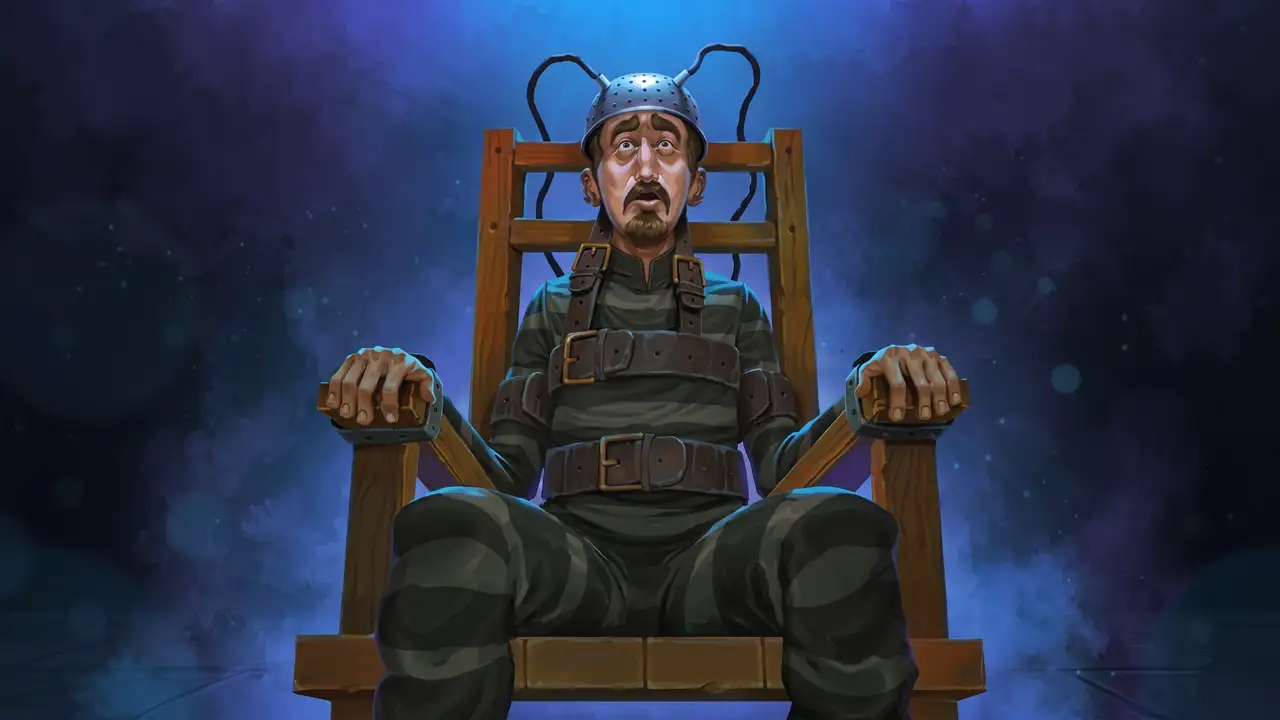
Combat is real-time melee with four spell schools (fire damage-over-time, ice slow, lightning, heal), and two swap-on-the-fly characters with separate armour sets give the duo identity. Magic upgrades, blacksmith gear and a puzzle-trial quest chain round out the systems. Levelling is extraordinarily fast, with twenty-plus levels in the first two hours and a finish around level 115, and the possessed-helmet and Cacti Mother bosses are highlights of a boss roster that stays inventive.
The sequel mirrors the first game closely, and “more of the same” cuts both ways: the familiar loop and callbacks to earlier locations and character cameos delight, but the repetition is real. Traversal friction accumulates: no run button on a huge map, fast travel rendered nearly meaningless once water walking unlocks, and clunky weapon swapping that begs for a quicker system. Late-game reward balance under-delivers, with static-heal staffs, negative-health armour that trades hit points for defence at a bad exchange rate, and dragon set pieces not worth the trials that grant them.
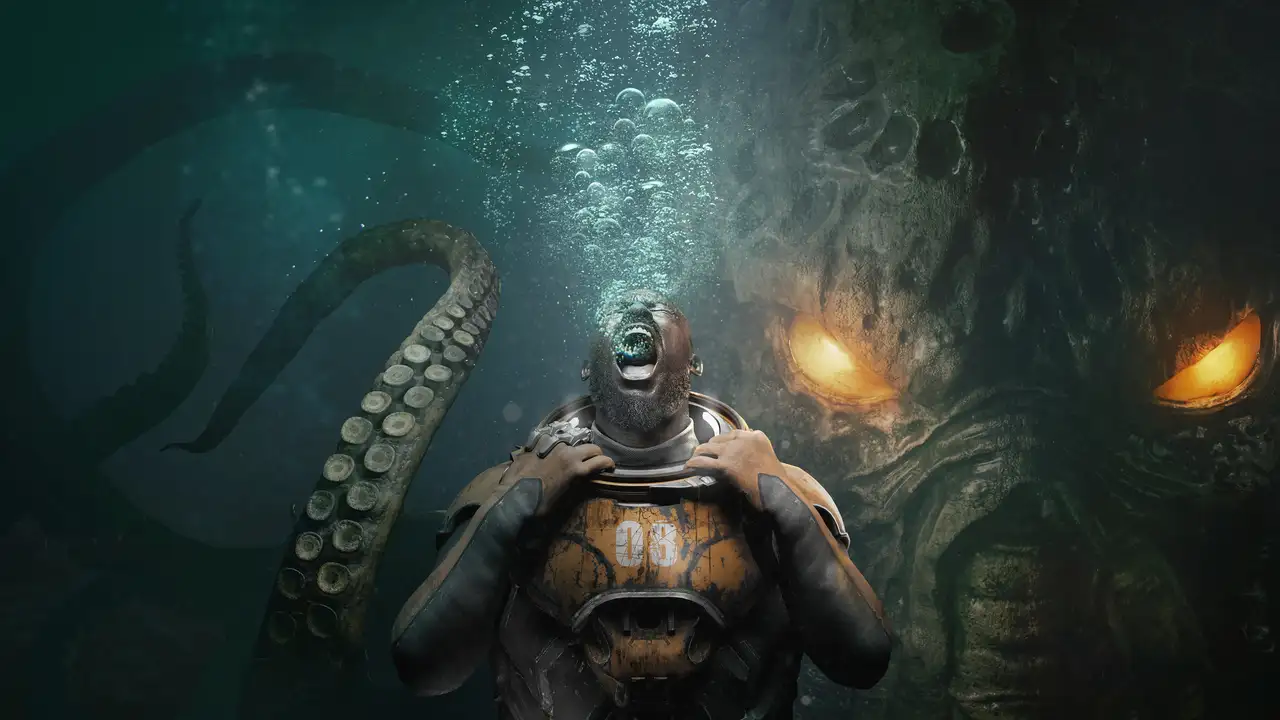
One crash during the Cthulhu fight interrupted an otherwise stable run, with a recent save limiting the damage, and the retry succeeded cleanly. Keyboard-only play in the first session handicapped dodging and earned the blame for several deaths; controller play from the second session onward felt far better. The Gentle Bros puzzle trial and the Twin Towns glitch storyline are the writing’s high-water marks, the latter a fourth-wall gag executed with genuine craft.
Overall, a charming, pun-dense Action, RPG whose relentless humour, dense side quests and over-levelled dungeon stomping make for a very enjoyable ten hours, with traversal friction, under-delivering endgame rewards and one crash as the honest nitpicks. More of the same as its predecessor in the best sense, longer and just as good, and the pun density alone justifies the trip.