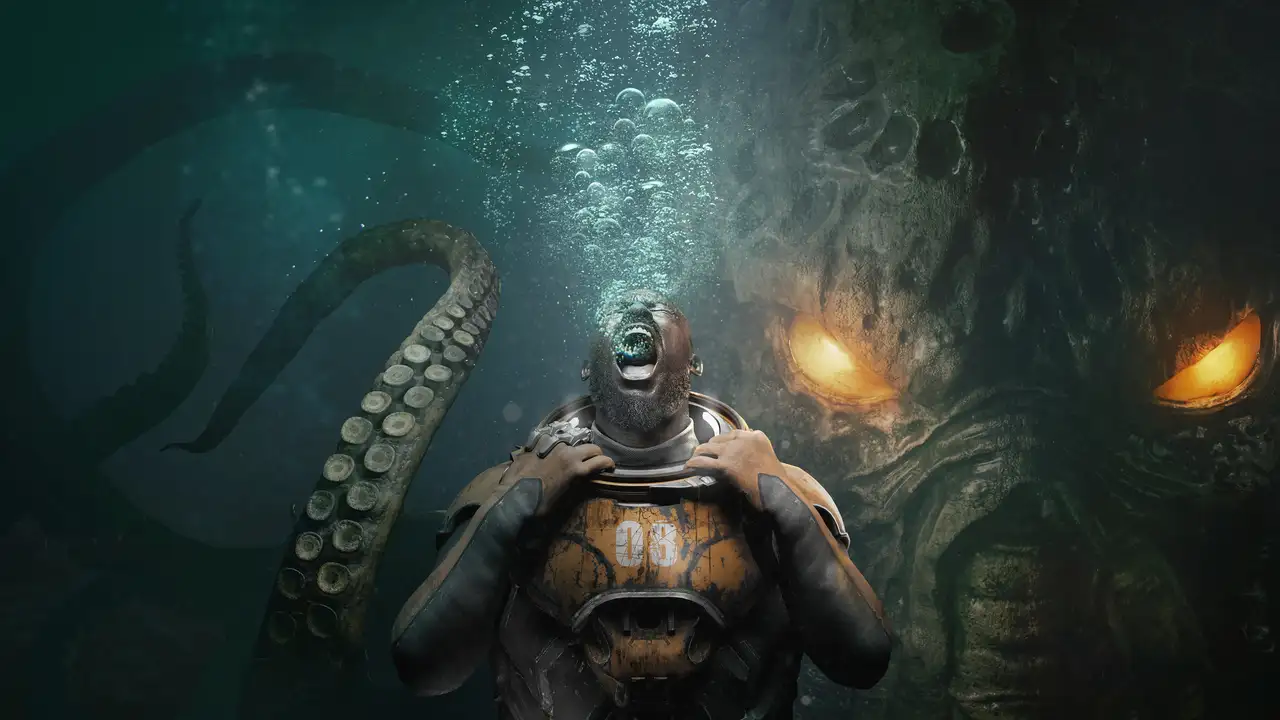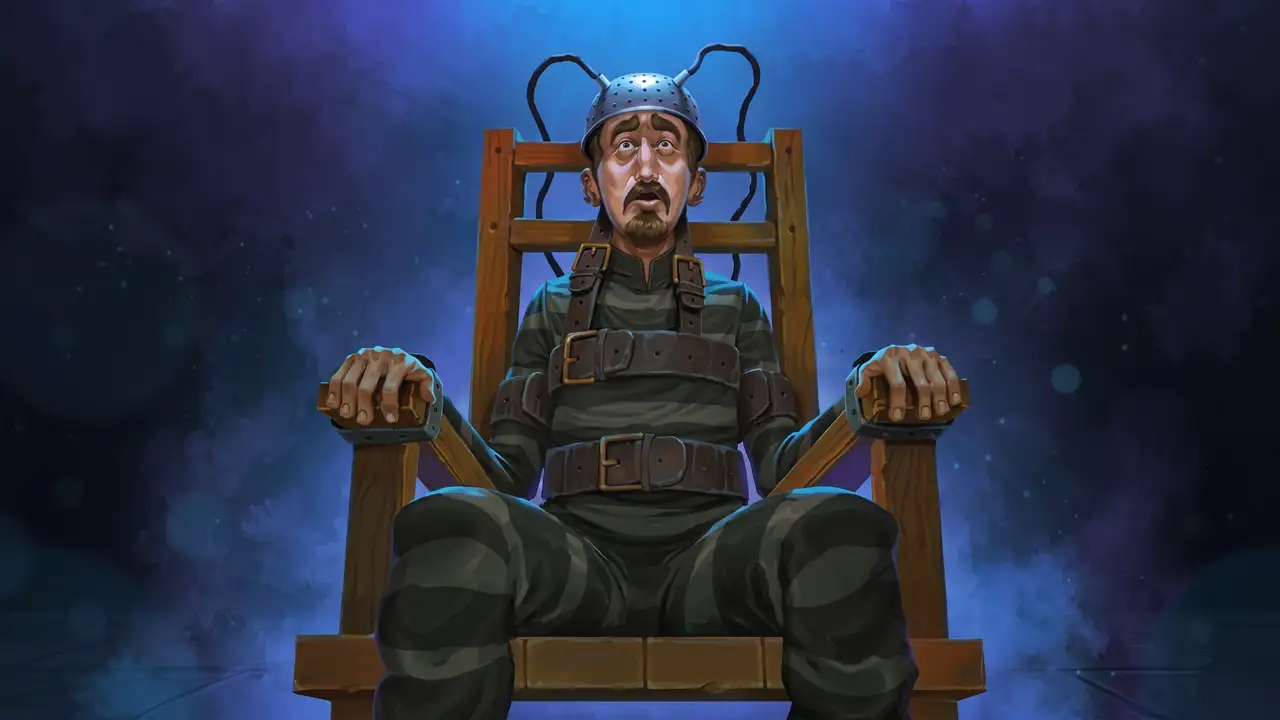
A paranoid 1960s Cold War thriller told through an unreliable narrator’s interrogation, spanning Cuba, the Soviet Gulag, Vietnam and the Arctic. The numbers-broadcast conspiracy is the engine of everything: brainwashing, flashbacks and foreshadowing woven so carefully that the truth hides in plain sight, and the questions a careful player asks about what does and does not make sense are the same questions the story intends. It is the Treyarch formula at its most confident, nonlinear and self-assured, with period-authentic detail throughout, and the structure still feels unlike anything else in the franchise.
The hallucination twist remains the campaign’s finest trick. A companion who has been at the protagonist’s side throughout is revealed as a fiction born of conditioning, and the reveal recontextualises every scene he occupied: who spoke to whom, who saw what, why nobody else ever acknowledged him. The foreshadowing is so well-laid that revisiting the campaign becomes an exercise in spotting the seams, and the payoff lands as both surprise and inevitability. Few twists in the series reward attention this completely.
Mission variety carries the shooting. The Bay of Pigs infiltration, the Vorkuta uprising, the Baikonur rocket sabotage, Khe Sanh and Hue City, a Rebirth Island hazmat raid, an SR-71 overwatch section that dynamically switches between drone view and ground squad, and a Hind gunship finale give the eight-hour campaign a sense of escalation few entries match. The bullet cam killshots are a repeatedly enjoyable signature, and the visuals hold up remarkably for their age, sitting near what the franchise’s presentation once peaked at. The licensed soundtrack choices (a Rolling Stones classic over the credits, an era-perfect Vietnam needle-drop) remain highlights.
The darker Treyarch tone earns its reputation. Gruesome chemical-weapon detail work, executions played for horror rather than spectacle, and an unflinching register distinguish it from the mainline entries, and the graphic content filter, which amusingly censors subtitles alongside gore, underscores how far the base game pushes. The post-credits segue straight into the zombies mode is a strange, delightful sting that suits the campaign’s confidence.
Friction is mostly technical. The final confrontation’s grab interaction is badly broken on controller, forcing a mid-fight switch to mouse and keyboard in the campaign’s climactic moment, an ugly wrinkle in an otherwise satisfying ending. The PC port’s limited controller support (no menus, no aim assist) hurts accuracy throughout, no fire-mode selection means wasting ammunition on full-auto weapons that would otherwise support burst discipline, and a resume-game menu bug after a crash briefly makes the save appear wiped. Scripted encounters have rough edges: invisible zip lines, walking corpses, enemies standing still before dying, and endless spawning.
Small quirks add character rather than harm. Friendly identification remains a series-wide pain, with prisoners nearly shot in the head during rescue segments, and indestructible scenery (mugs, apples surviving gunshots) breaks immersion for a laugh. The Nova 6 storyline’s grim detail work rewards the unflinching register, and the zombies sting lands as the perfect closing note. None of it matters against the campaign’s craft.
Overall, this is one of the franchise’s best campaigns, and the hallucination twist is still its finest trick: a paranoid conspiracy thriller whose period atmosphere, mission variety and unflinching tone hold up completely fifteen years on. The broken finale interaction, the 2010-era port limitations and small scripted glitches are the only real irritants, and none of them dim a campaign whose confidence and craft remain the series’ benchmark.