A captured operative is recruited into a rogue task force hunting a Soviet agent bent on nuclear sabotage, and the 1981 frame gives the campaign its period flavour: hostage interrogations, presidential briefings, archive footage and moustaches that mean business. The playable recruit is deliberately blank, an amnesiac whose classified dossier the player fills in as they choose, and that blankness turns out to be the campaign’s central device. Where predecessors played soldiers, this one plays an asset whose memories may not be trustworthy, and the distinction shapes everything that follows. The era dressing is affectionate without tipping into pastiche.
The Lubyanka infiltration is the campaign’s standout mission. Slipping into the KGB headquarters wearing another man’s identity, the player can bribe a guard with a cigar, reprogram a blank keycard, poison a target, frame an innocent or simply talk their way through, and every approach reaches the same objective through genuinely different means. The immersive-sim sprawl is unlike anything else in the series, and the knockout-gas escape caps it with spectacle. If one mission justifies the campaign, it is this one, and the prediction of the mole’s exposure adds a deduction layer the genre rarely attempts.
Side missions reward actual investigation. Decrypted floppies yield a numbers station and an anagram-puzzle newspaper clue, and the suspect-identification chains (a triple-homicide triangulated with a notepad, wrong-city readings self-corrected) ask the player to solve rather than follow. The evidence chain culminates in operations whose outcomes depend on how well the homework was done, and the confirmation that the deductions were correct delivers satisfaction few campaigns offer. These optional chains are the campaign’s best idea, brief but genuinely clever.
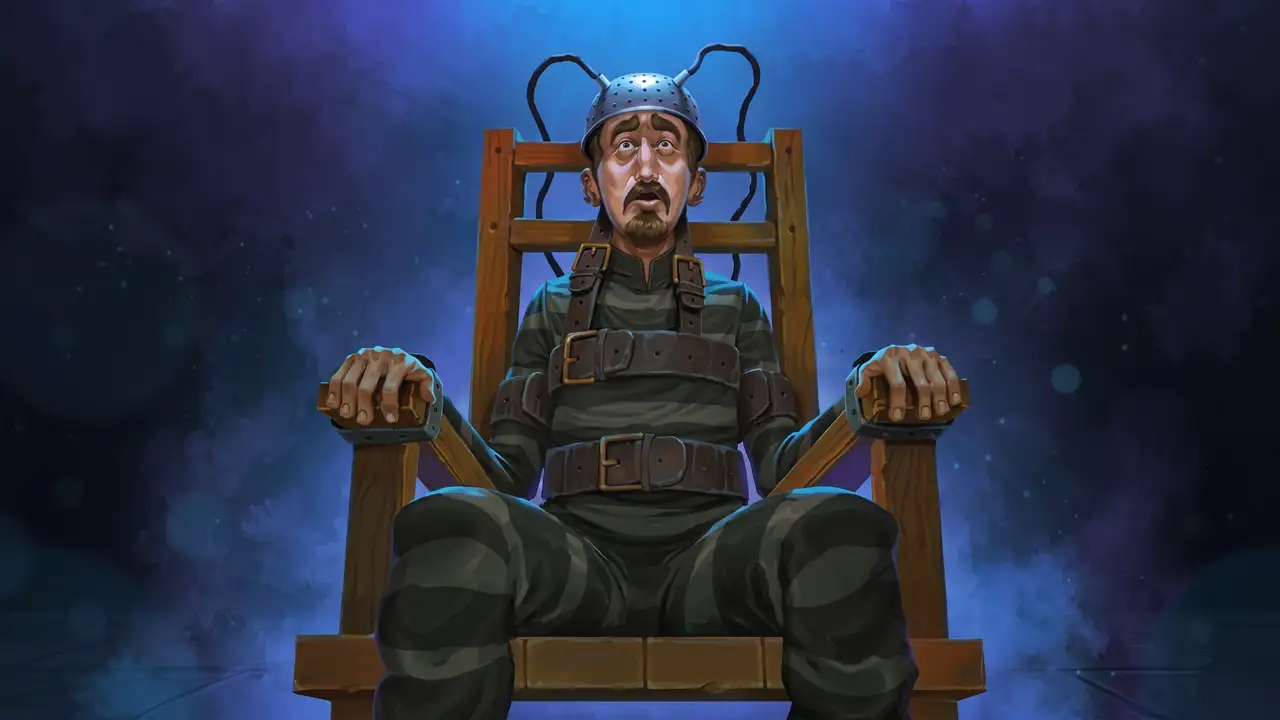
The sleeper twist is the story’s peak. A mid-campaign memory loop plays with wrongness deliberately, and the eventual revelation (a brainwashed operative reprogrammed with a trigger phrase hiding in plain sight throughout) earns comparison with the genre’s great manipulation twists. The choice-driven finale then closes the loop: telling the truth leads to an ending where the asset is disposed of once useful, a businesslike dismissal that lands harder for its coldness. The abrupt cut after the climax surprises, and the epilogue call-backs deliver the actual emotional close.
Friction clusters around legibility. Wayfinding fails repeatedly on a mountain-observatory level and the circus operation, with objectives unclear, audio cues pointing at enemies the player cannot see, and doors whose objective-side is genuinely ambiguous. The launcher UI is the series’ worst cross-promotion offender, worse than its competitors’ ever got, advertising everything else the publisher sells before letting the game begin. Occasional single-frame stutter persists through cutscenes without escalating, and a pre-rendered legacy character model looks nothing like himself.
The sub-series chronology compounds the confusion. Jumping between decades, flashbacks and far futures across its numbered entries, the Black Ops timeline is genuinely hard to track, a structural gripe the campaign inherits rather than causes. Forced linearity surfaces in small ways: no crawling outside scripted sequences, a vault that locks once its alarm trips, and a finale whose sacrifice framing offers less choice than it implies. Damage tolerance is noticeably more forgiving than its immediate predecessor, a design-era difference that suits the arcade register.
Overall, this is a satisfying espionage campaign whose standout infiltration mission, clever deduction chains and genuinely earned sleeper twist outweigh wayfinding confusion, launcher clutter and a timeline that resists tracking. The core shooting remains excellent, the hit-marker feedback precise, and the era flavour consistent. The best ideas here (the Lubyanka sandbox and the evidence side-missions) deserve to be the template for what follows.