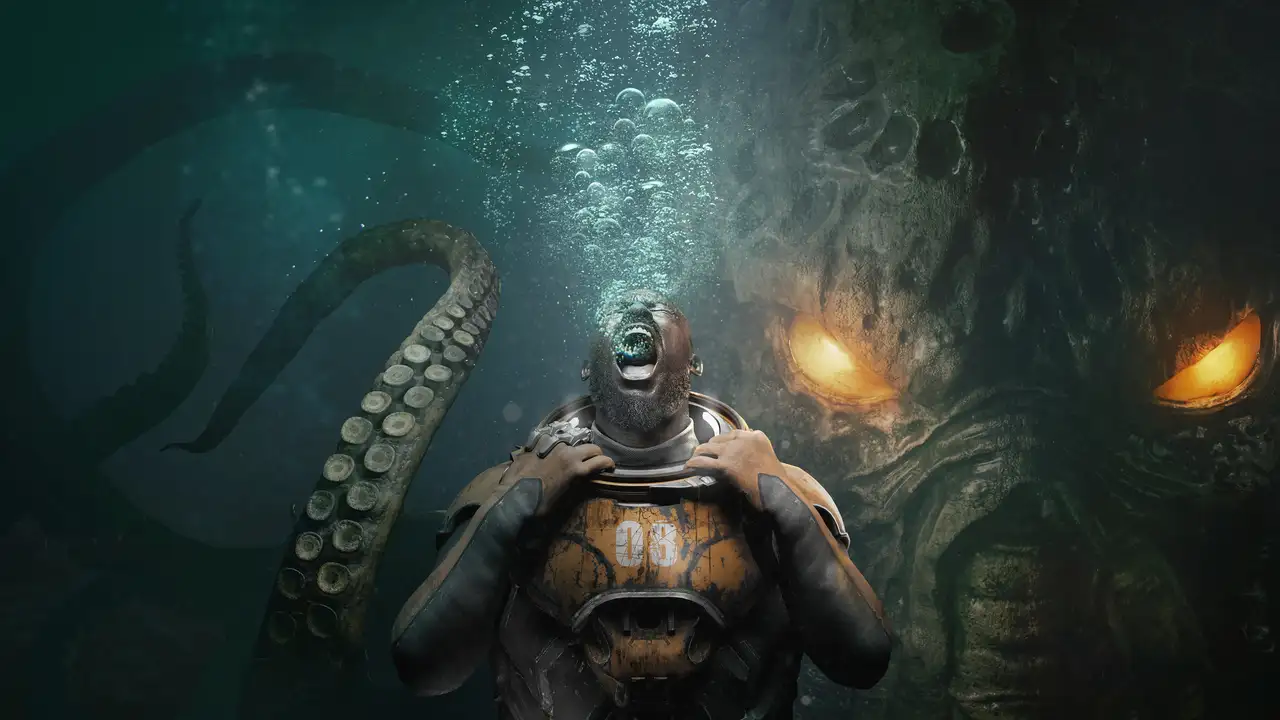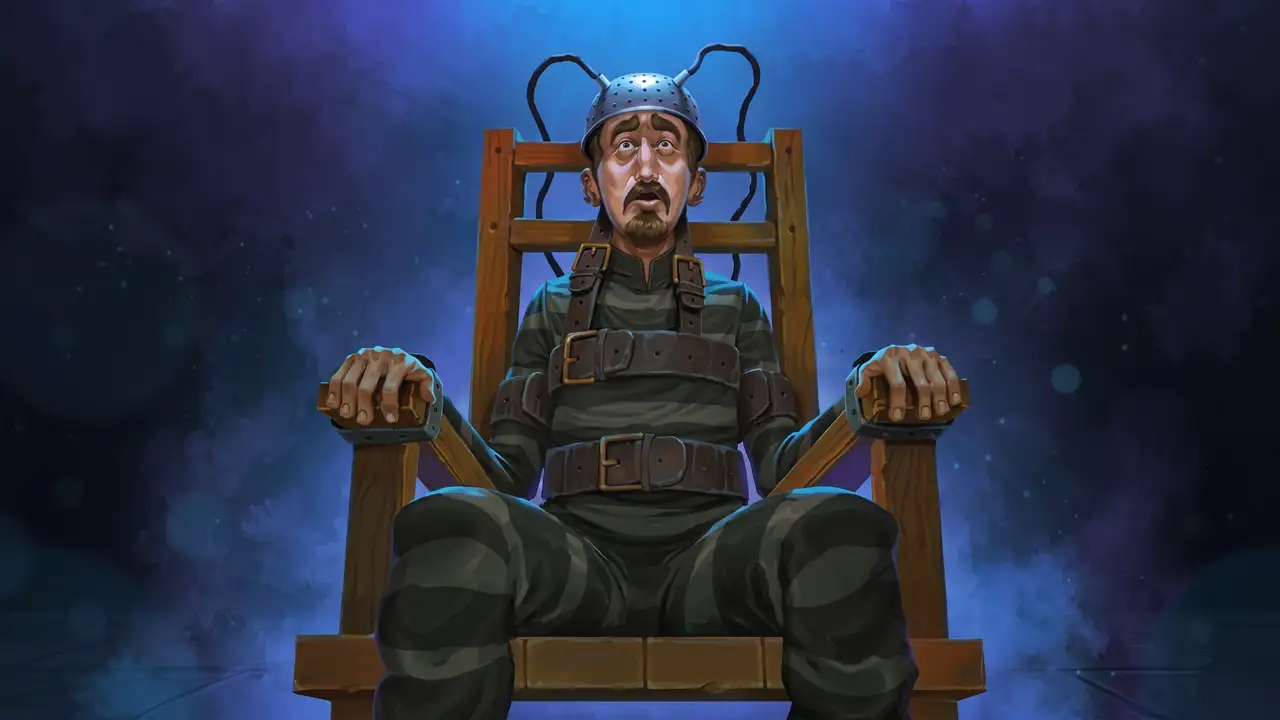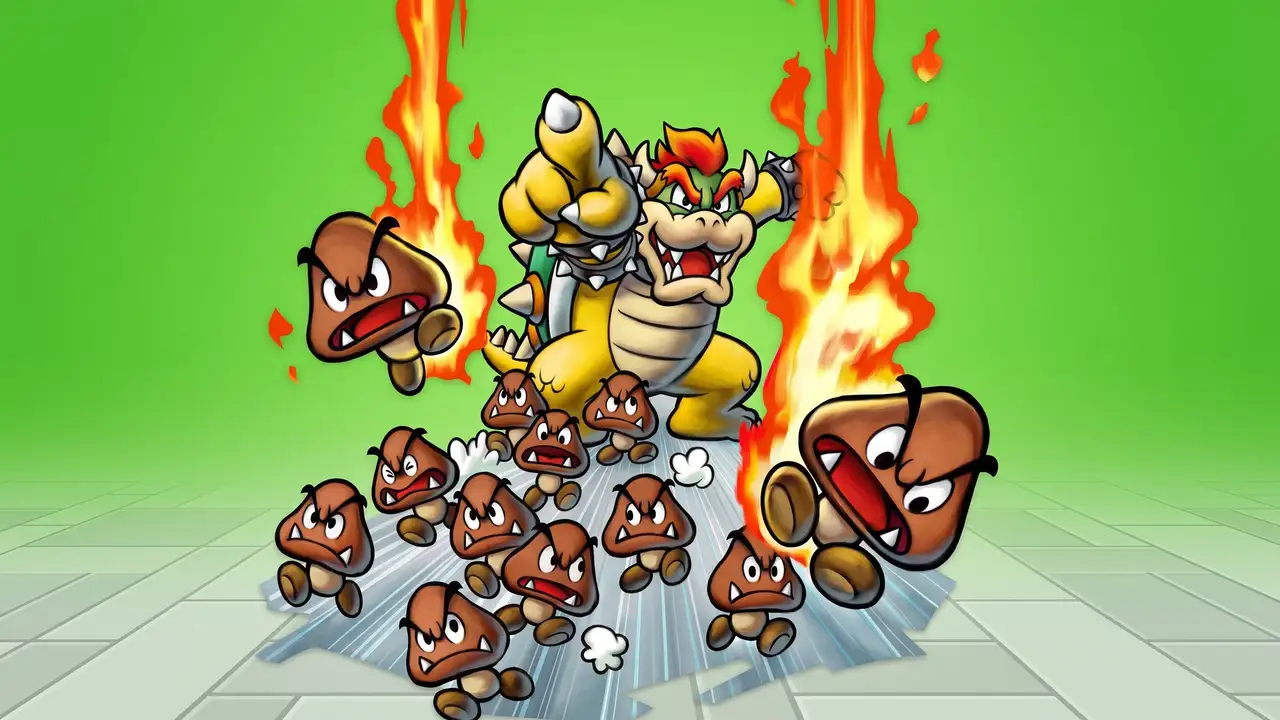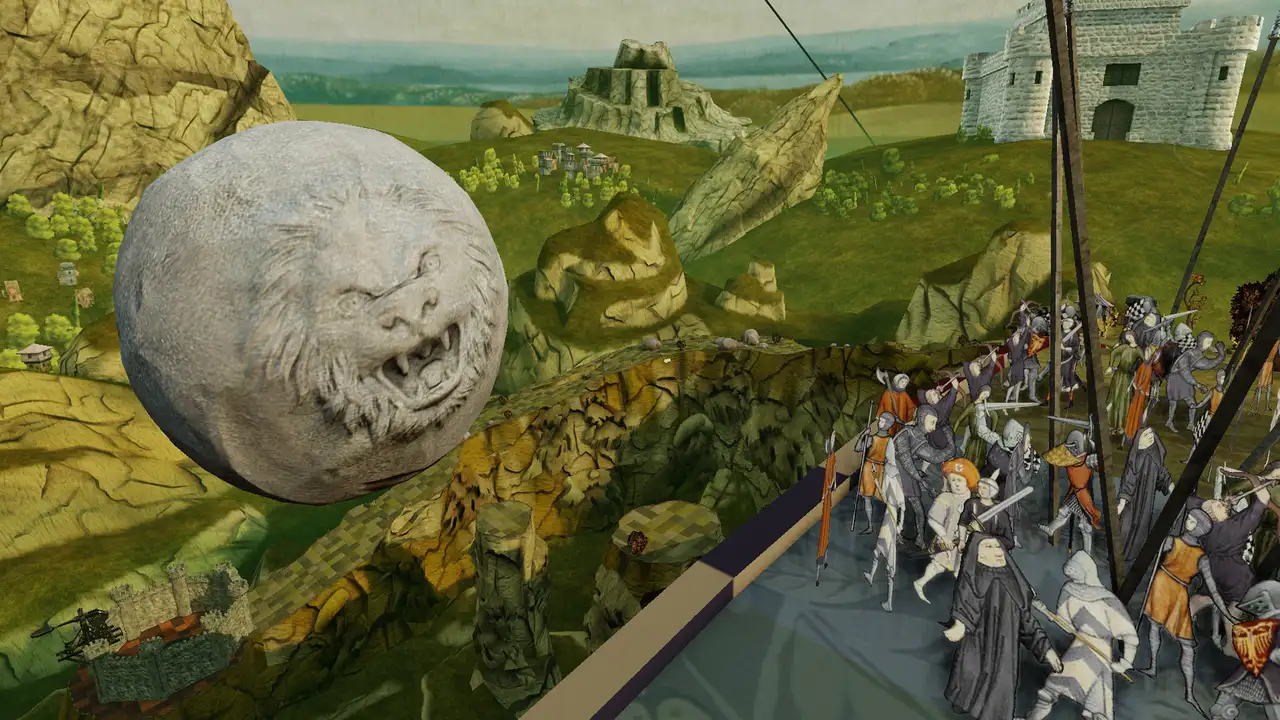
A silent skeleton warrior and a hyperactive historian ghost cross a post-apocalyptic fantasy world, gathering a vampire inventor and an imprisoned prince to investigate the chaos surrounding a black crystal. The premise is an affectionate parody of the NES and SNES era, and the writing commits to it completely: fourth-wall narration, silent-protagonist gags and a relentless stream of pop-culture references that land far more often than they miss. One in-game citation asserts that all role-playing games are required by law to include at least one sewer dungeon, and the game dutifully complies. The visual presentation lifts everything from an 8-bit look to a crisp SNES-era style, a clear upgrade over the original release. It is a micro-JRPG in the truest sense, brisk and self-aware from the first battle.
The capped-random-encounter system is the smartest idea here. Each area carries a fixed pool of battles; once the pool is exhausted, random encounters vanish entirely, while optional fights remain available on demand from the menu. The world map effectively offers a battle budget, and spending it grants an encounter-free overworld without forfeiting grinding for anyone who wants it. This design anticipated the encounter-free overworlds that later became mainstream, and it still feels fresh. Pacing stays brisk throughout because the player, not the software, decides when combat happens.
Combat itself is built on combo construction: multi-strikes accumulate into finishing death blows, party members chain unite techniques together, and four distinct roles keep every battle legible. The healer also dishes out snowstorms, the shotgun-holding inventor hits everything on screen, and the prince smashes. Level-ups offer a choice between stats and skills, keeping progression mildly interactive. The animations are mashable, the tempo rapid, and the whole loop is tuned for momentum over depth.
Full post-battle healing, with partial magic recovery, underwrites the entire difficulty philosophy. Because no resources need conserving between fights, encounter difficulty can be raised directly rather than hidden behind potion management. It is a trade-off worth naming: the loop discourages strategic play and invites head-bashing, since every fight opens at full strength. The game buys pace and approachability at the cost of friction, and it is honest about the bargain.
The difficulty curve does not honour that bargain evenly. Before the third party member joins, the sturdy-ogre stretch hits punishingly hard, an early wall that reads like a grinding demand but is really a party-size problem. Once the endgame arrives past level 30, the equation flips entirely: the final laboratory falls to unbuttoned basic attacks with no techniques or strategy involved. The curve runs from brutal to trivial with a comfortable middle, and neither extreme flatters the systems design.
Dungeon layouts inherit the original’s maze habits. Rooms look alike, corridors loop back on themselves, and navigation relies on memory rather than landmarks. The presentation overhaul sharpens everything the dungeons contain without changing the layouts themselves, so the remake’s polish makes the sameness more conspicuous rather than less. An overly loose economy compounds the drag: weapons and armour cost thousands, selling old gear recovers a pittance, and money accumulates with little worth buying.
Post-game content rounds things out with scar-attack mode and the Dragon Duck superboss, a 70,000-HP optional fight whose cave holds no heal point and demands magic-hoarding preparation. The reward is Excalibur, and the hunt itself is a satisfying closing goal. A quirk of the secret caves, which only ever yield equipment for the ghost while the other characters’ best gear hides behind the superboss, skews the optional loot oddly.
Overall, this is a lovingly reanimated micro-JRPG that plays like a greatest-hits collection of clever encounter design, wrapped in joke-dense, reference-strewn comedy writing that rarely misses. The capped encounter pools, full post-battle healing and choose-your-reward levelling outclass the uneven difficulty curve and the samey maze dungeons that surround them. Set the brain to mash and grin, and the five hours fly.