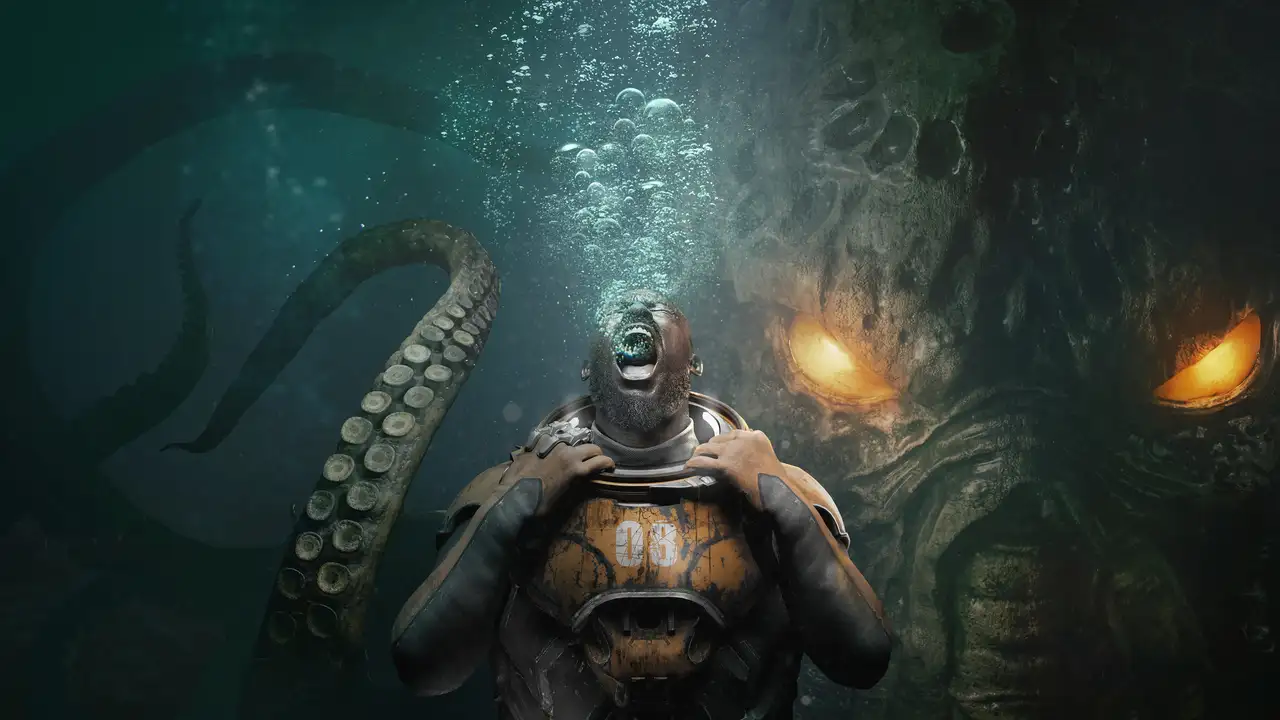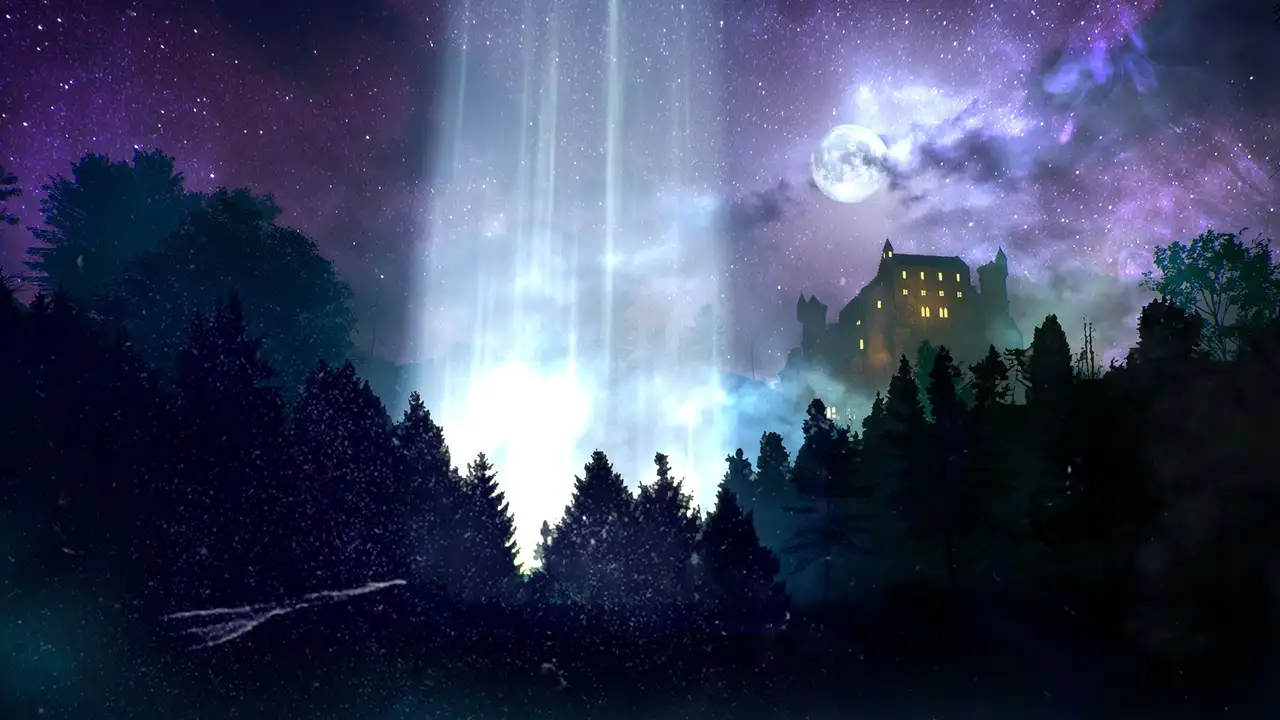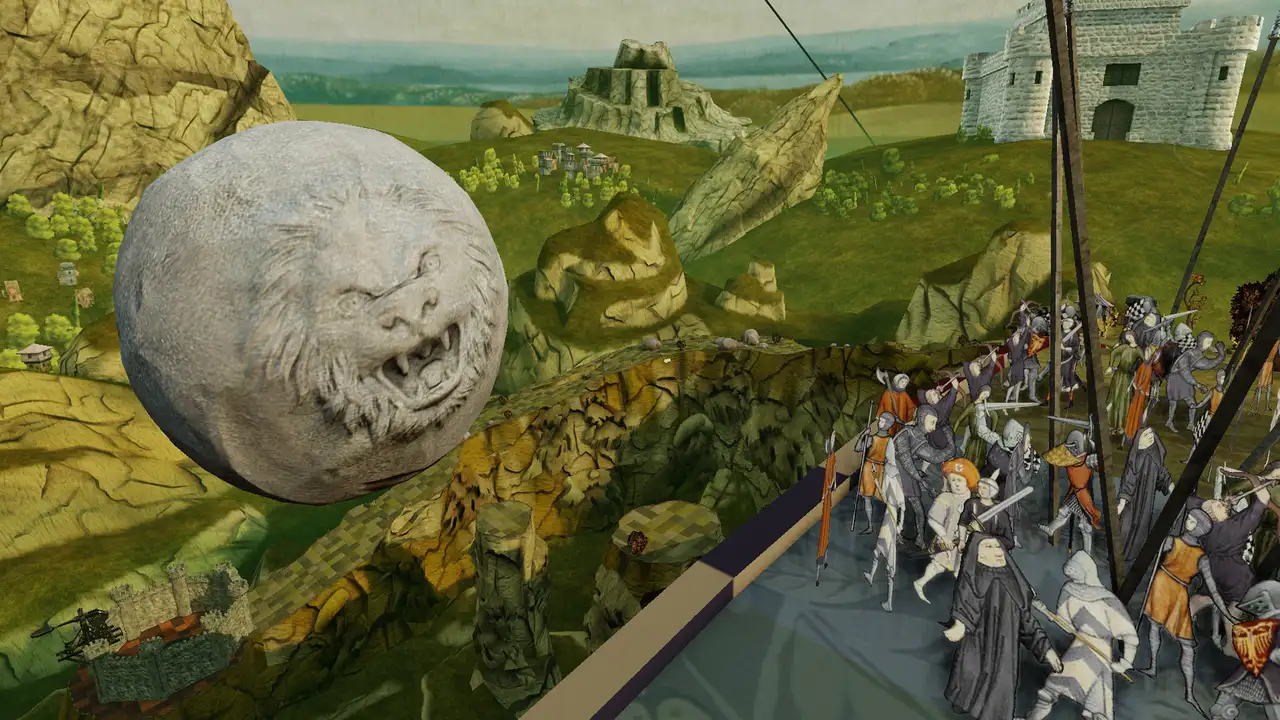
Three young Bound warriors of Ashmer train under a mentor to slay the cursed Ilion, whose corruption turns warriors into monsters, and the Saturday-morning-cartoon register is deliberate: likeable companions, a decoy-boss twist that burns the home village of Tumbra, and a journey across the sea to Fangfair Castle. The Merthos-versus-Ilion two-sides-of-the-same-coin lore is the most interesting worldbuilding idea, and the finale’s mountain confrontation lands a darker beat than the writing elsewhere supports. General Gareth’s redemption arc, banned from the battlefield and finally allowed to train recruits, is a nice touch among the supporting cast.
The boss-hunt loop is the game’s core and it works. Fights run one to three minutes, retries are instant, and the single-arena structure (quick attacks, charge attacks, dodge-roll, block, projectile reflection) rewards mastery without demanding commitment; the loop of hunt, rank, reward, repeat is Monster Hunter distilled to its dopamine. S+ ranks for hitless clears pay out money and materials worth the effort, and the chase converts sceptics within the first hour.
Between hunts, the cosy layer gives the grind a frame. Feeding and levelling a Merthos pet that runs passive loot missions is genuinely charming, harvesting Dreamland for crafting materials replenishes as bosses fall, and gear crafting with RNG enchantments adds just enough depth to the economy. Three characters exist (a combo warrior, and two others who cannot be swapped mid-run), and the linear story pushes through three areas and roughly a dozen bosses in about three hours.
The story is serviceable monster-of-the-week fantasy until the finale, where the death of the Ilion’s heart and the mentor’s own sacrifice elevate the boilerplate into something with actual weight. It is shorter than the buildup implies, and the writing elsewhere rarely rises to the ending’s register, but the emotional payoff justifies the wait. Supporting characters like a Dreamland child and a wannabe Bound are likeable without ever developing, and the button layout takes adjusting after years of other conventions, with heavy attacks bound where reflexes expect them elsewhere.
Jank is the recurring deduction. Hitboxes repeatedly undermine the hitless runs the rank economy invites: rocks can be rolled through yet still connect, attacks that visibly miss deal damage anyway, and late fights combine overlapping area hazards (water spins joined by fire that sets half the arena alight) in ways that feel unfair rather than hard. The Nagog rock-formation boss is the worst offender, souring even players invested in mastery chasing.
The Berserk enchant deserves particular censure: it self-damages with no readable explanation, burning through health mid-charge until re-rolled, and the progression numbers are strangely small, with level-ups granting roughly a single point of damage while upgrades cost steep sums. NPCs outside the main cast never say anything new, even after the credits, and the ending unlock (the Blade of the Unbound) trails off into open-ended Monster Hunter-style grinding with no clear endgame goal.
Overall, this is a small, sincere Monster Hunter-lite whose loop outshines its rough edges: fast bosses, a hitless rank economy that hooks, a charming pet layer and a finale with genuine weight. The janky hitboxes, the self-damaging enchant obscurity and the thin story are real deductions, but as a three-hour palate cleanser with post-game grinding for those who want it, the hunt-repeat-reward rhythm lands exactly as intended, and sharpening oneself against its bosses stays worthwhile long after the credits.