A 1973-set sequel that unusually begins outside the studio, in a world that seems almost normal, before an animator named Audrey falls into the ink realm now ruled by Wilson and his keepers, 211 days after the ink demon was supposedly killed. What follows is a genuine genre upgrade for the series: where the original shipped without stealth, crouching or systems of any depth, this entry adds looting, crafting, upgrade stations and a full first-person structure. The Bioshock parallel is earned rather than borrowed, extending from the loot loop to ink-pool resurrection and thick-ink health upgrades. The tone stays true to the 1930s-cartoon-gone-wrong identity while the mechanics finally catch up to the setting.
The progression loop is the game’s structural backbone. Gent pipe upgrades unlock via schematics, slugs, Gent parts and batteries reward thorough looting, and thick ink funds permanent health, stamina and ability upgrades at stations scattered through the world. The toolkit grows through allies as well: banish arrives from Heidi’s hide-and-seek, flow (a short-range teleport) from Porter, who renames Audrey “Bobby”, and linker-pipe fast travel removes later backtracking. Stealth is optional but rewarding, and crouching behind enemies for banish takedowns that heal turns avoidance into a genuine tactic rather than a stopgap.
Stealth’s most entertaining property is how completely the AI can be broken. Crawling past enemies under their sightlines produces absurd, repeatable skips that the game never patches out or punishes, and exploiting them is half the fun of the mid-game. The banish unlock transforms stealth from pure avoidance into an offensive tool, and the power baton-pass (banish, flow, fast travel) gives each ally chapter a distinct mechanical identity. Fear of the ink demon coexists uneasily with the knowledge that the systems can be gamed.
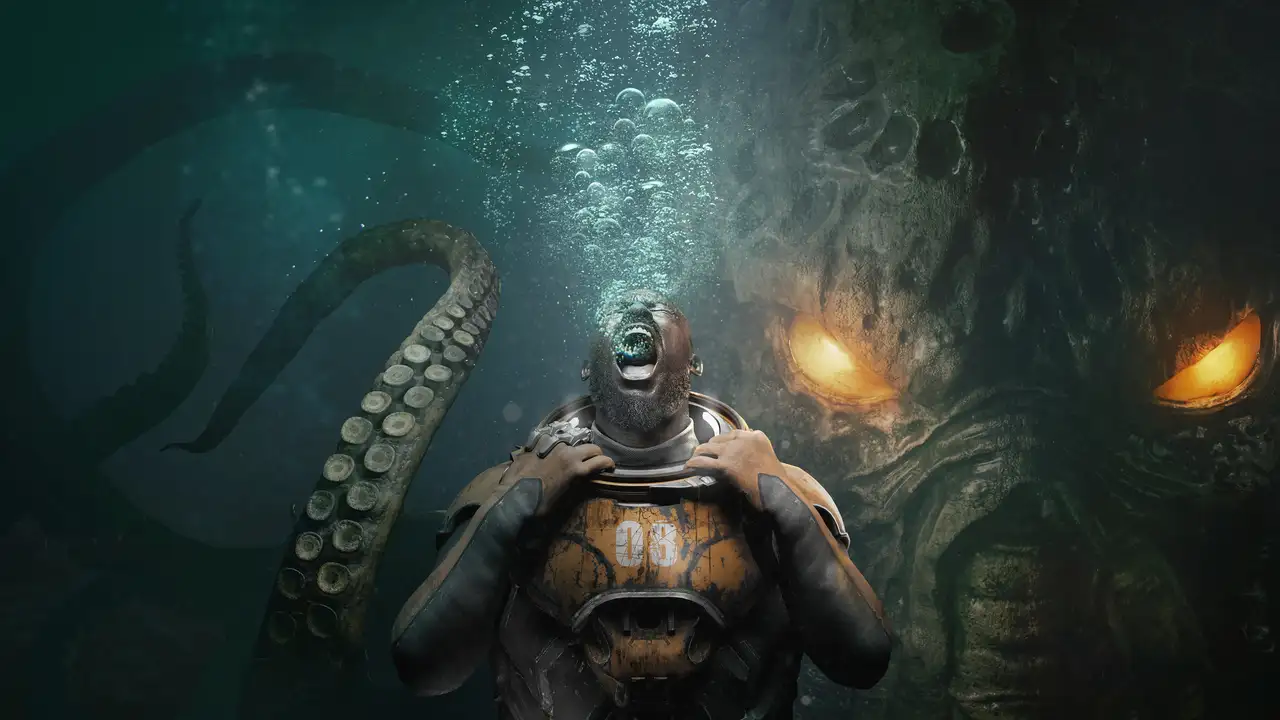
The ink demon is the game’s best tension generator and its worst design offender simultaneously. The stalker sequences use heartbeat warnings in the Alien Isolation mould, and being hunted through unfamiliar geometry is genuinely frightening. The problem is spawn timing: the demon materialises in brand-new areas with no known hiding spots, or in locations where none plausibly exists, and deaths to it are real game overs while every other death is an instant revive. That stakes asymmetry punishes bad luck rather than bad play, and it is the complaint the design never resolves.
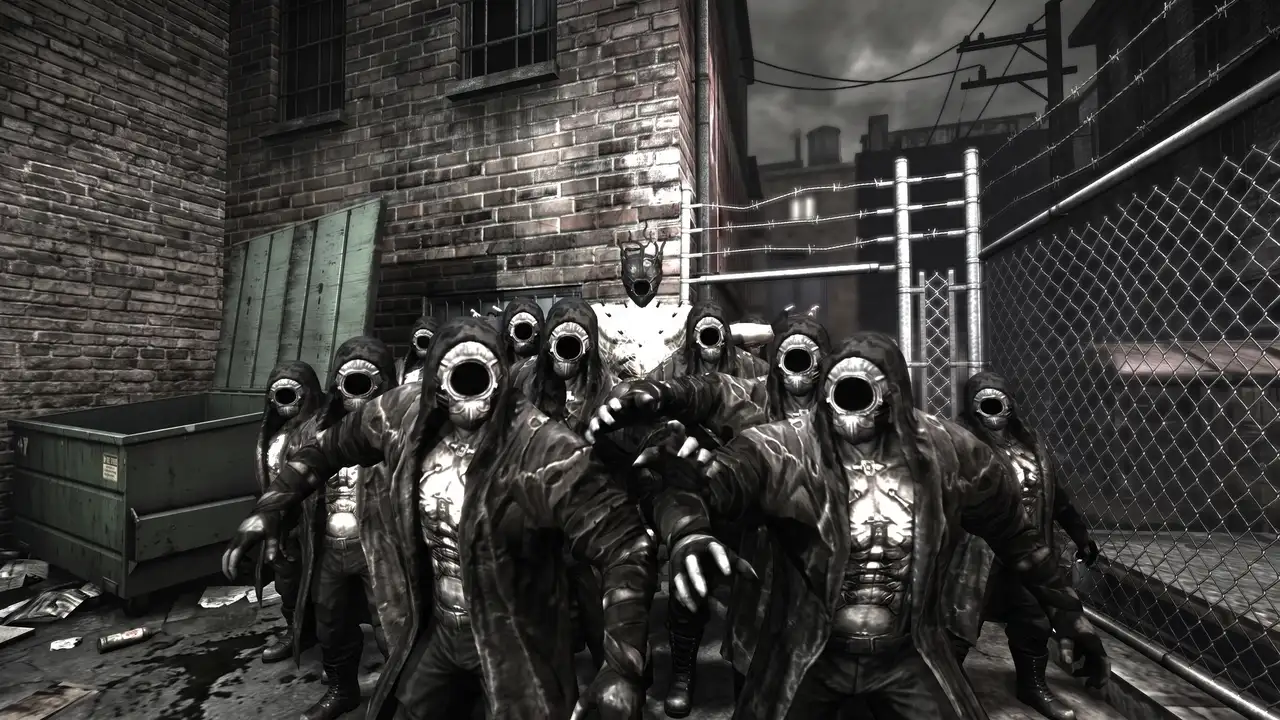
Combat improves over the original in speed but remains hollow at its core. There is no defensive option of any kind: no block, no parry, no dodge, so every exchange is a pure damage race decided by pipe swing timing. A temporary guard, of the kind comparable genre entries have used, would have solved the hollowness entirely. The keepers, fast jump-scare-prone stalkers who only matter late in the campaign, outrun a sprint and catch up regardless of distance. Respawning loot and enemies on timers, plus ambush waves that appear from nowhere, round out the friction.
Navigation in the dark maze sections is the pacing drag. The picture-fetch quest and vent hunting produce the longest frustration stretches, with objectives whose locations are given no guidance and geometry that all looks identical in the gloom. The train that departs on schedule while being watched, the Harold-the-gillson fishing detour and sprint-momentum FPS platforming add minor annoyances. Audio that ships without subtitles forces settings adjustments, and the absence of a quick-save compounds the darker sections’ trial-and-error.
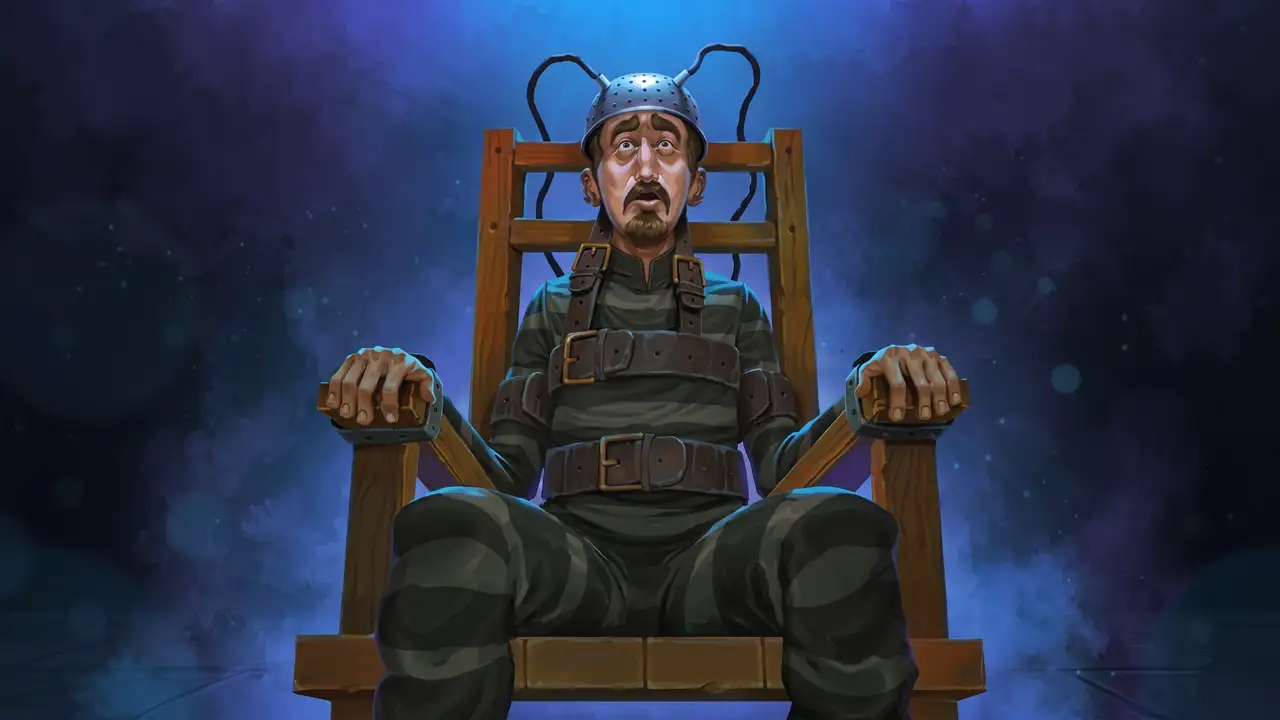
The story delivers its twists in a satisfying alternating pattern. The Wilson trap is visible from the elevator scene, the true nature of Audrey’s origin lands as a genuine blindsiding, and Betty’s sleeping-draft jump scare and Alice Angel’s electric-chair game give the middle chapters their shocks. The figure of Joey in the realm, reduced to a memory rather than a man, is unexpectedly moving, and the opening and closing rhyme on choice without belabouring the point. The finale flips to an on-rails demon-power rampage, spectacular but passive, a curious note to end on after hours of systems-driven play.
Overall, this is a confident genre-upgrade for the cartoon-horror series, whose Bioshock-style loot-and-upgrade loop, stealth powers and twist-driven story far outweigh an antagonist that spawns without reachable hiding spots, combat with no blocking and dark maze navigation. The systems finally match the aesthetic, and the whole amounts to the sequel that converts the franchise’s atmosphere into genuine play, undercut only by its own best monster’s worst habits.