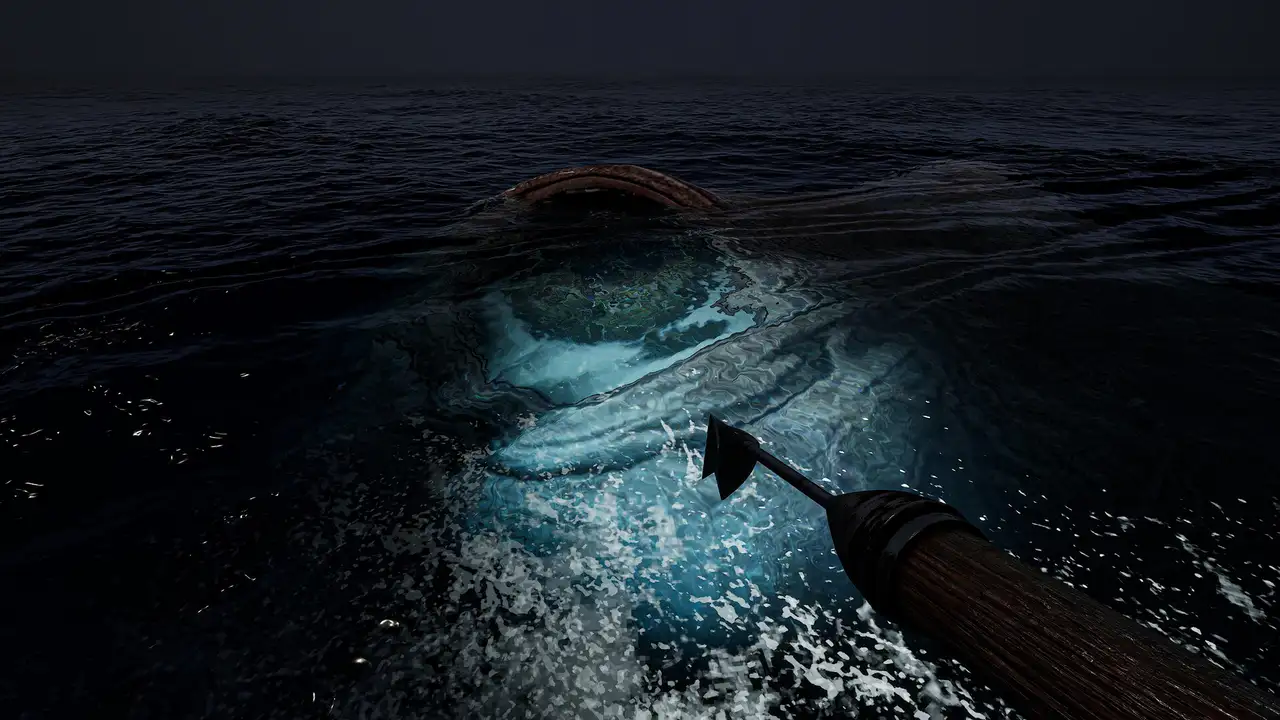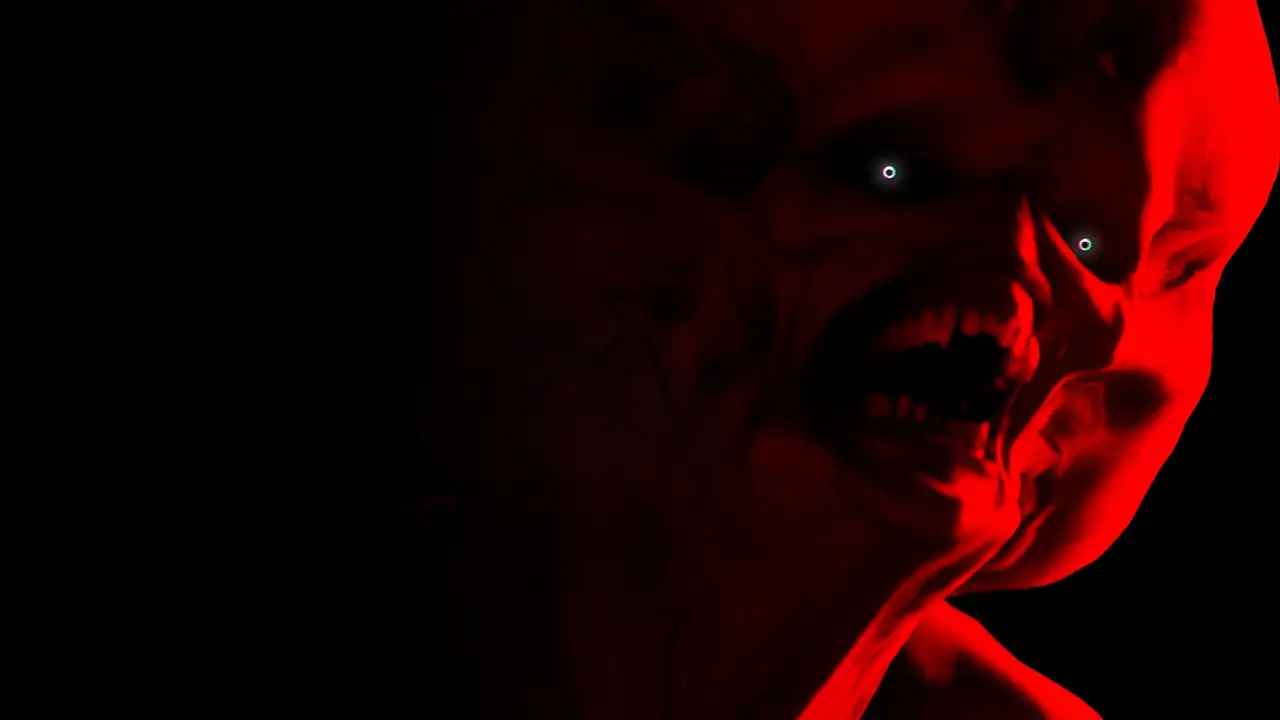
A surface operator guides a four-person descent into a cold cavity that opened inside a pit, and the descent party never leaves the intercom. Commander Sergey leads, medic Dutch monitors health, cryptologist Male deciphers markings, and technician Dmitri keeps equipment alive, while the operator remains upstairs with a decaying station. Below, tunnels dissolve into fog, flesh-like membranes, whispers, symbols and a light-swallowing obelisk ringed by eight altars. Above, the control room mirrors the corruption with blood pools, a changing bathroom, scattered tapes and Maria’s 1977 logs of nightmares, shadows and the N14 intervention. Found-footage presentation and religious dread set the register, carried entirely with no soundtrack behind it.
The core loop is mission-control management rather than direct exploration. Squad calls arrive over the intercom and demand answers, routing guidance through darkness the operator never enters. A medical terminal tracks status and body temperature, with recalibration carrying real weight once ash fills the air. Radar contacts mark movement through the fog, while shortwave radio tuning opens new frequencies for voices and signals. Keypad code entry, including a four-digit side-room code, gates deeper information behind environmental snooping. Validation codes punctuate procedures, keeping every action inside bureaucratic ritual.
Detective work drives the middle stretch through two linked puzzle chains. Symbol-offering puzzles assign prayer, leader, sickness and father markings at the obelisk altars, with bedding clues narrowing each marking to its bearer. A lullaby provides an independent cross-check for the same placements. An authorization cipher requires verification before the finale logic engages, and a symbol tape recovered from a side room completes the picture. Placements lock once made, so exactness matters more than speed throughout.
The regulator room concentrates that exactness into load mathematics. Four regulator loads must balance within a fixed capacity, with almost no margin for error. Timed pressure inside the regulator room adds urgency to otherwise interpretive difficulty. Real-time waiting stretches between decisions, since the squad moves at its own pace while gauges drift. The ancient door stands as the campaign’s most ominous threshold, with fog pressing visibly beyond its seal. Late orders can be refused, making defiance a mechanical input with measured consequences.
Mirrored disturbance delivers the dread that constant attacks never could. Warm wet flesh, iron smell and whispers described from below appear upstairs as blood, light flicker and breathing through vents. False-voice mimicry spikes paranoia mid-descent, making every familiar voice suspect. The absence of music leaves every creak and whisper exposed, and quiet stretches produce the strongest reactions. Fog, membranes and symbols below find upstairs counterparts in pools, flicker and shifting rooms above, so neither layer feels safe while the other suffers.
Friction clusters around movement and legibility rather than fear. Controller turn speed runs very slow, making early navigation disorienting across similar corridors. Sprint sits on the right bumper in an awkward mapping, while unclear doors and a blurry zoom muddy critical reads at decisive moments. Symbol-offering logic occasionally depends on obscure environmental clues, where a missed video leaves an assignment feeling unguessable. Exact load maths punishes experimentation, since one wrong regulator setting carries hidden weight without warning. None of these interruptions break the atmosphere, but each one stalls momentum at the wrong moment.
Structure rewards return descents through layered endings and collectibles. Four endings give return descents distinct targets, rewarding assignment accuracy and key refusals across every visit. Eight collectibles hide through both layers, alongside cassettes, scattered tapes and one easily missed VHS tape. Maria’s logs deepen across repeated attention, connecting pregnancy notes, crosses, bloody pillows and lullaby lyrics into a coherent dread. Missed material stays discoverable rather than gated, so each return pass fills a specific gap.
Overall, soundless tension, operator-seat management and a demanding symbol-regulator chain carry a distinctive mirrored descent. Slow turning, blurry tools and occasional obscurity dent the pacing without dulling the ambient dread that defines the experience.