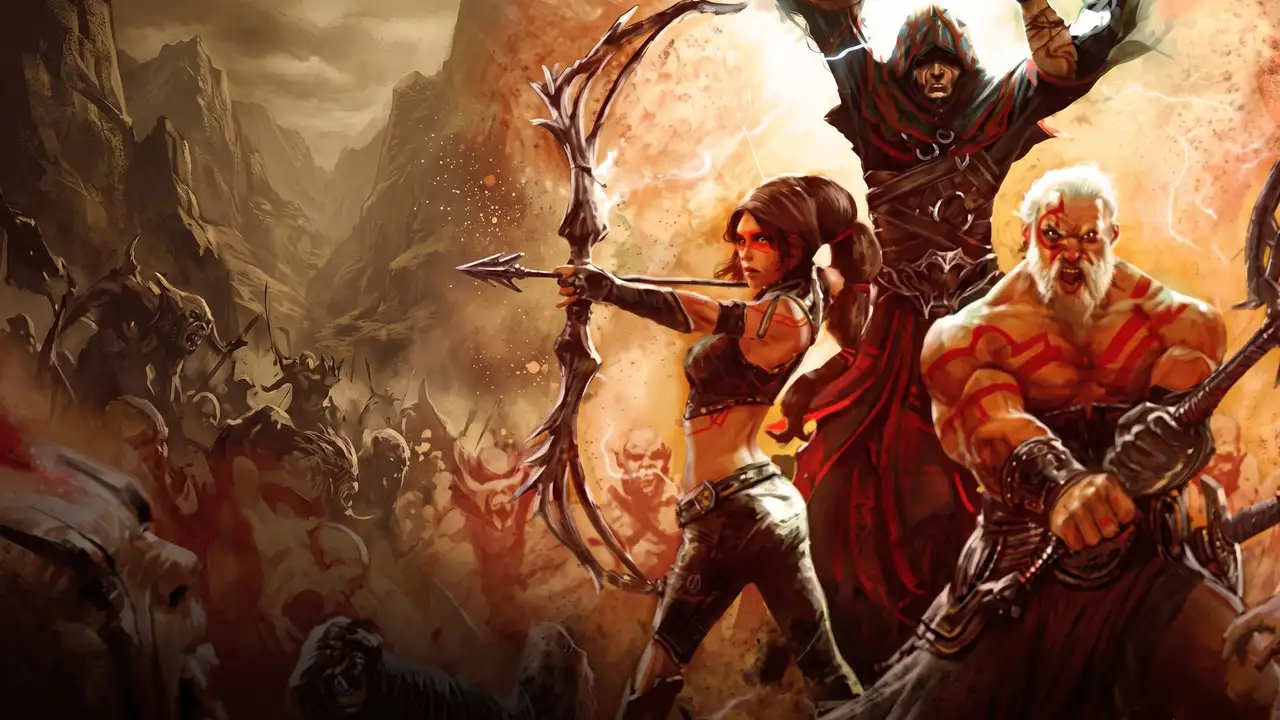
Three heroes pact with a death titan, and the structure follows the premise: a metroidvania played like an RPG party game, with swap-able characters carrying distinct traversal kits. Algus is ranged and incredibly fast with his attack speed, Kyuli wall-jumps and deals the highest damage with the slowest attacks, and Arius dashes and fires projectiles, with late-game recruits Zeke, a box-lifting kid, and Bram, a chain-wielding gorgon slayer, expanding the party to five. The Castlevania-inflected pixel art is immediately striking, and the chiptune-with-a-twist score, including a softer campfire variant, earns repeated praise. The party-based twist is the defining hook, and no direct precedent for the combination comes to mind. The genre is bent rather than repeated.
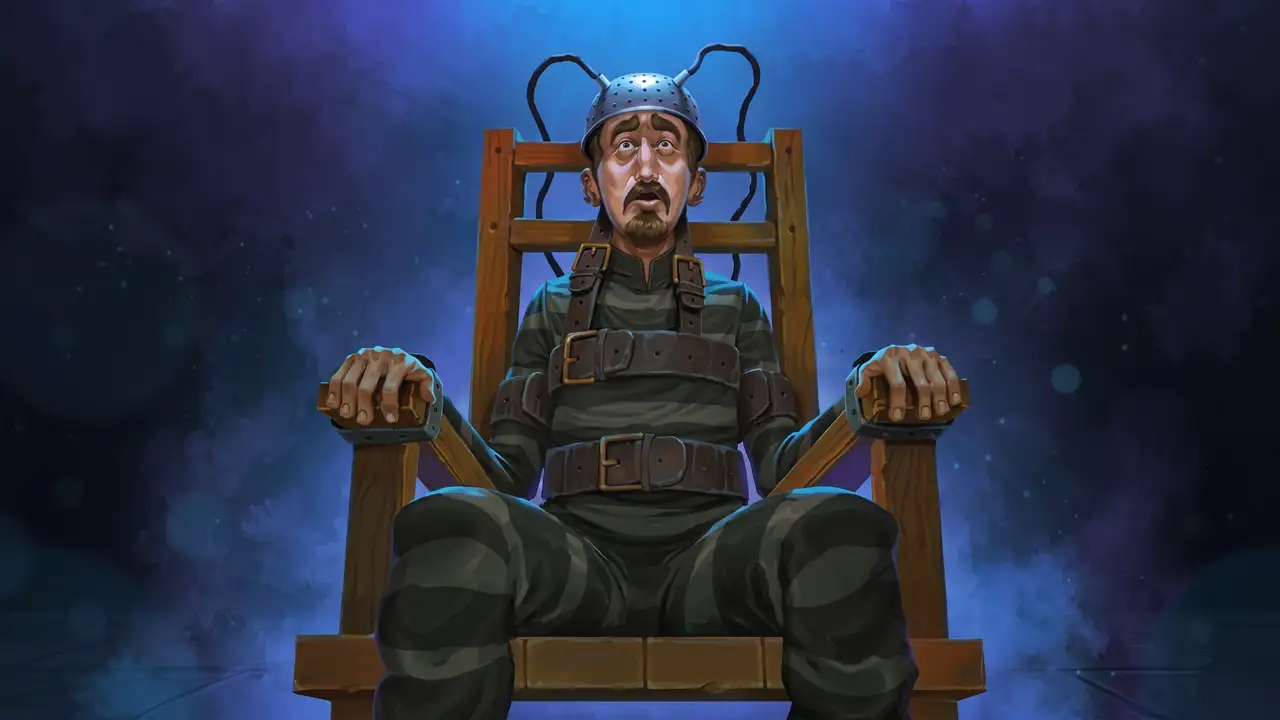
The die-to-upgrade Epimetheus economy is the game’s cleverest idea: dying deliberately banks soul orbs into character stats or global upgrades, with a scripted first death triggering the shop and establishing the loop immediately. The beast diary feeds on kill counts for orb payouts, and the bestiary’s kill-count unlocks carry per-entry orb rewards that recall the genre’s best. Secret walls are designed to look distinctly different from the walls around them, a philosophy that keeps exploration fair, reinforced by the dead maiden’s ring hint and the late-game map reveal. The map reveal, bought for a steep orb price, finds exactly the missed secrets that would otherwise have stayed hidden and makes completion genuinely fair. It is a mark of a good game when it cannot be put down.
The character-switching bell is the mid-run quality-of-life pivot: Athena’s Bell switches characters at any time, neutralising the one brewing complaint about party swapping before it could form. The connective tissue all ties together in a way that makes sense, from the gorgon-tomb boss through the blue gorgon’s eye and the hall of phantoms’ banish spell, found via a cross-room false wall. Optional areas such as the cathedral, catacombs, tower roots and serpent path finish naturally for the bestiary. The old-man homunculus sidequest changes the ending, giving the multiple-endings structure real teeth. The black knight and medusa fusion finale caps the campaign.
The Ruins of Ash is the mid-game wall, a brutal area that sucks the momentum out of the run and recalls the worst walls of the genre’s other hard cases, with the tower-of-time ascent a one-hell-of-a-trek. Spike hazards are the top killer, popping up the instant the screen scrolls, and ladders bug out recurrently, refusing to let the player stand on top. Opaque upgrade descriptions leave Inner Fire, Death Wish and Bloodlust permanently murky, with escalating costs and unclear permanence. Invincible enemies persist until the late ray-of-light, and backtrack tedium before the fast-travel upgrades is a real slog. The low completion percentages, twenty-four and thirty-five at various checkpoints, underline how much surface the game hides.
The 100%-completion grind has one structural cost: it results in the final fight not being super challenging, which softens the ending for completionists. The mistaken first impression that Kyuli’s slow attack would make her worst-in-class reverses quickly once her damage lands. The music test secret, gated behind triple insight purchases, is kind of dumb. The built-in save-copy option is a genuinely welcome feature on PC. The deliberate false-start run for a launch secret is the kind of design oddity the game earns. The pacing, just short of thirteen hours for full completion, is fair for the density.
The ominous silent rooms are a deliberate mood device, and the softer campfire music variant rewards the quieter beats between expeditions. The gorgon-tomb boss and the blue gorgon’s eye escalate cleanly, and Zeke’s princess-crown fetch quest unblocks the white-key hunt in a way that reframes the whole mid-game. The serpent path and catacombs reward the bestiary grind without demanding it. The save-copy option deserves to be standard across the genre. The design’s confidence in its own structure is total.
Overall, a metroidvania structured like an RPG party game whose die-to-upgrade economy, fair secret-wall philosophy and Athena’s Bell switch-anytime quality-of-life make it a genuine genre highlight, with the black knight and medusa fusion finale and the homunculus-driven ending variation as the payoffs. The Ruins of Ash wall, spike-heavy deaths, bugged ladders and permanently murky upgrade descriptions are honest costs, and the genre bent rather than repeated is worth every orb.