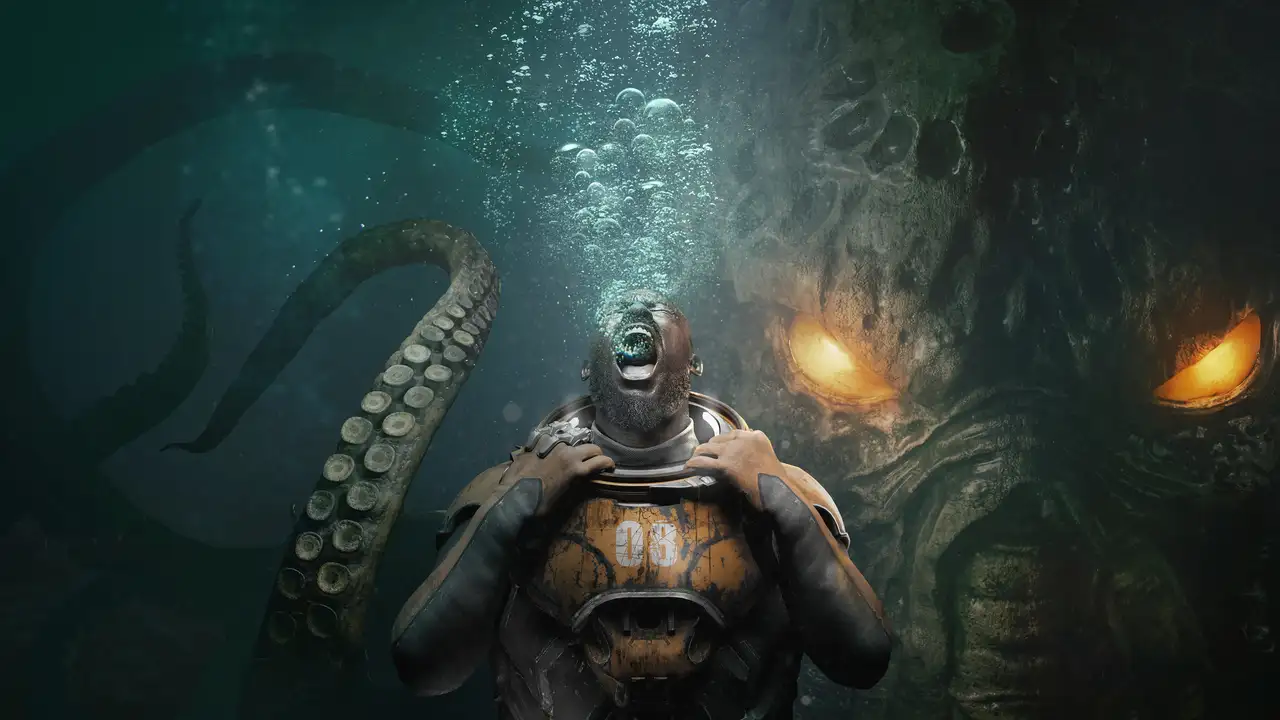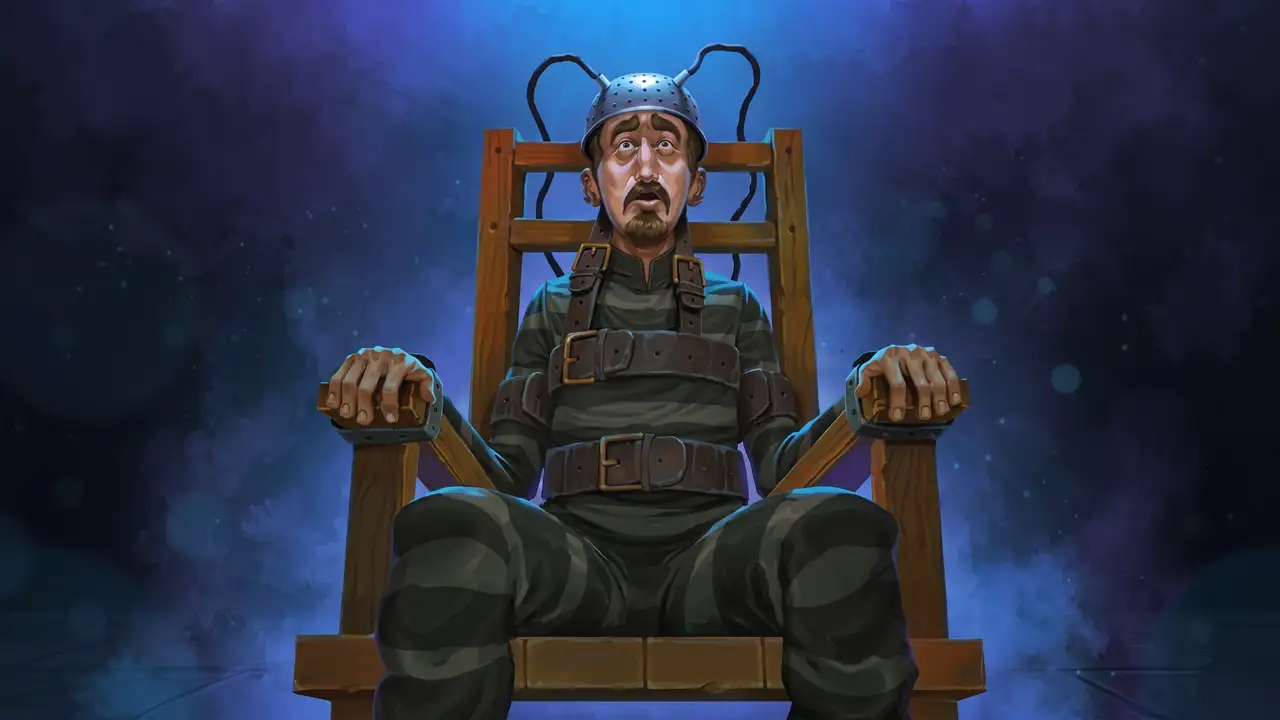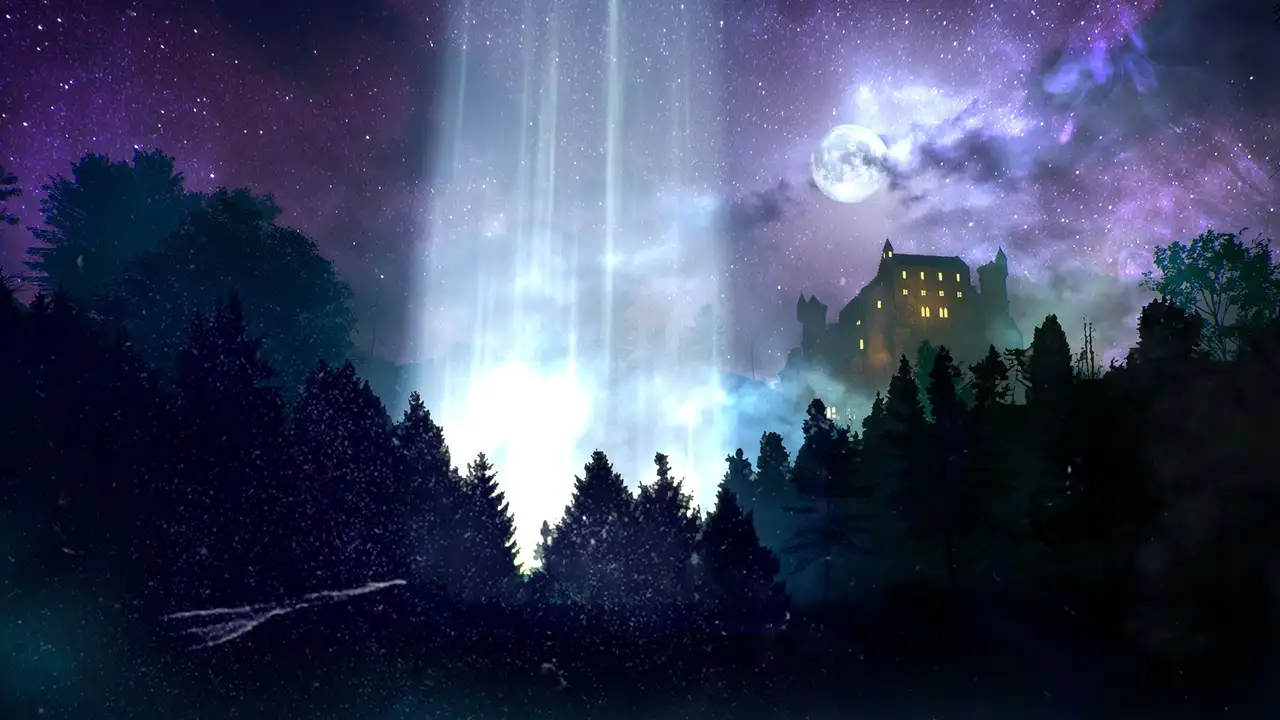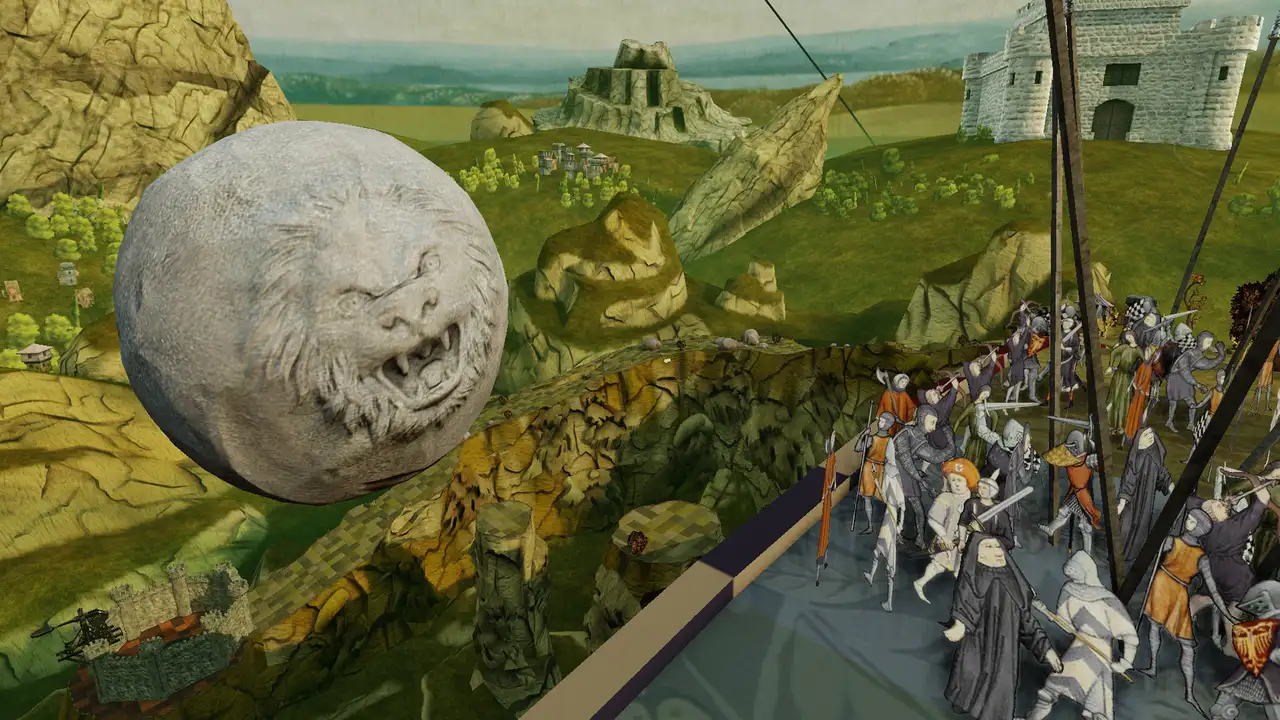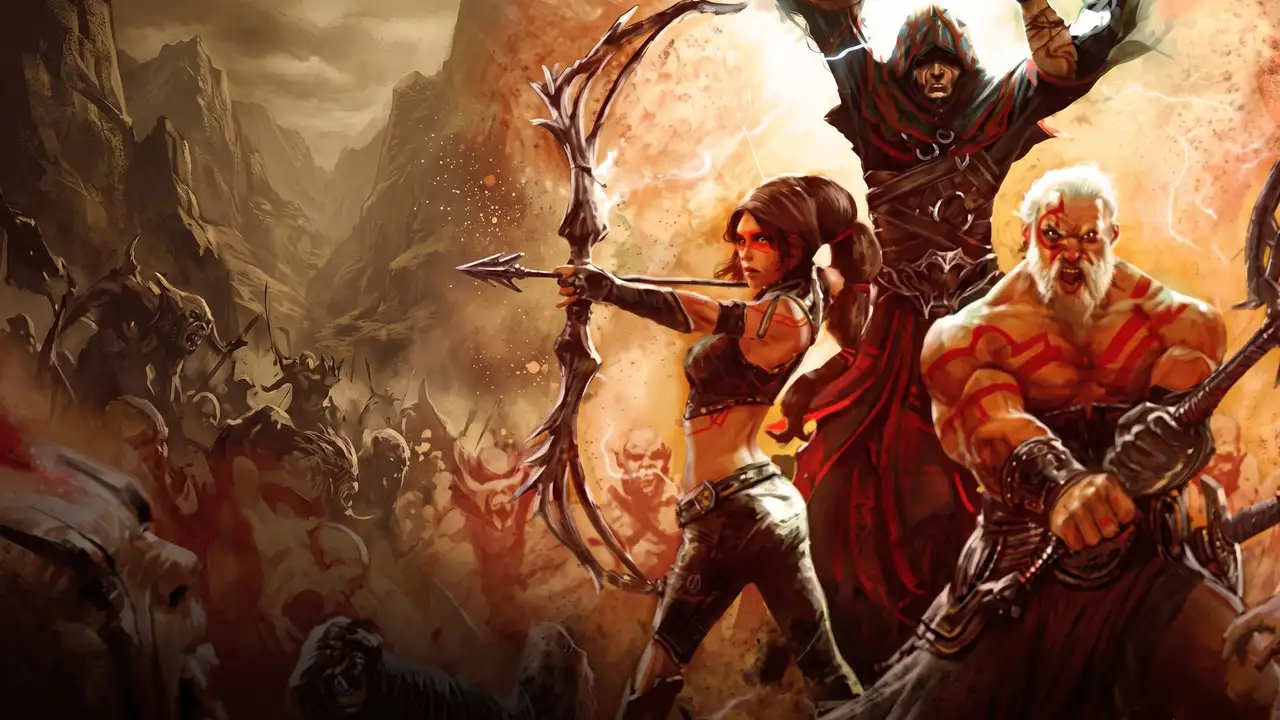
A medieval dark-fantasy point-and-click sends a man named Harry after his beloved Zula, who followed a fallen star, was accused of witchcraft and taken, and the rescue route runs through a ritual-summoning prologue, a plague village, a multi-headed bird, a shipwreck, a witch’s forest and the underworld. The art is the game’s real asset: Goya-esque grotesquerie with tongue-stealing corpses, an eight-headed bird fed piece by piece and bone beds, imagery that lingers long after the puzzles fade. Storybook narration beats between levels add atmosphere, though the plot they carry stays stubbornly opaque. This is a game to look at more than to solve.
The no-hand-holding design is the stance most worth praising. Zero hint systems, no clue overlays, puzzles thrown at the player with a figure-it-out shrug, and the trust is genuinely welcome in a genre that has largely abandoned it. The trouble is that the puzzles never tax that trust: difficulty sits well below genre norms, nearly everything yields to head-banging within minutes, and death is nearly impossible, with only the Kraken stage and cannonballs able to kill at all. A design that respects the player deserves puzzles that respect the player’s intelligence.
The recognisable classics pad the middle. Towers of Hanoi appears exactly as remembered, and the pipe-routing puzzle earns its comparison to a famous underwater city’s maintenance minigames, arriving as a pleasant nostalgia beat rather than an original brain-teaser. Binary minigames (a cannon-defence numbers screen, a swim-the-Kraken clicking gauntlet) break the inventory rhythm, though the Kraken swim’s click-per-movement requirement turns a diversion into the game’s only genuine stress. The set pieces are borrowed competently rather than invented.
Puzzle illogic surfaces occasionally. One step requires draining water before placing an item that placement alone would have handled, a redundancy that reads as padding, and the ship’s telescope sequence produces the run’s most confusing stretch, where every key fails until the intended interaction reveals itself as something no clue pointed toward. The frustration is brief and the resolution unedifying: the game’s no-hints stance occasionally shades into no-communication.
Narrative delivery is the deeper problem. The storybook beats are atmospheric but impenetrable, the final reveal does not clarify the plot, and finishing the game leaves the central relationship ambiguous (a sister, a partner, a beloved, depending on the moment). The abrupt ending compounds the opacity, cutting off before the map’s small size (roughly 25 short levels, completable in one sitting) has justified itself. A story this thin needed either clarity or confidence; it manages neither.
Presentation carries both the appeal and the irritations. The voice audio mix is permanently too loud whenever narration or dialogue kicks in, a mix decision that grates across the full playthrough, and the protagonist’s lanky arm and finger animation recurs as a visual irritant. The grotesque imagery is strong enough to sustain the atmosphere despite both, and the plague-village and witch’s-forest locales demonstrate real art direction. The visuals and audio never quite agree on what the game is.
As an evening of low-stakes point-and-click, the package functions: the imagery entertains, the classics amuse, the no-hints stance commands respect, and nothing outstays its welcome. As a puzzle game it underdelivers, and as a story it evaporates on contact with its own ending. The shrug is the honest verdict: enjoyable in the moment, unlikely to linger, worth attention for the art more than the design.
Overall, this is a pleasant, low-stakes medieval point-and-click whose Goya-esque art and no-hints design earn real credit, undermined by puzzles well below genre difficulty, an impenetrable story, an abrupt ending and a voice mix that never stops shouting. The grotesque imagery is worth the visit; the rest is a shrug of a game that enjoyed itself more than it convinced.