A retro-futurist city on a space ark (one of four, three lost) hosts a council, a state religion of ascension and a shadowy agency, while mutants overrun the lower districts. Two conscripted gladiators hunt an escaped bioweapon, and the truth arrives through logs rather than cutscenes: conspiracy, human experimentation and a duplicated protagonist. The tone is colourful Saturday-morning dystopia, bright and chatty with something darker underneath, and the decoder-log ecosystem rewards the hunt across the whole map, from the ark’s origin story to indoctrination sermons, conscience-transplant files and gladiator dossiers that quietly reveal the twist.
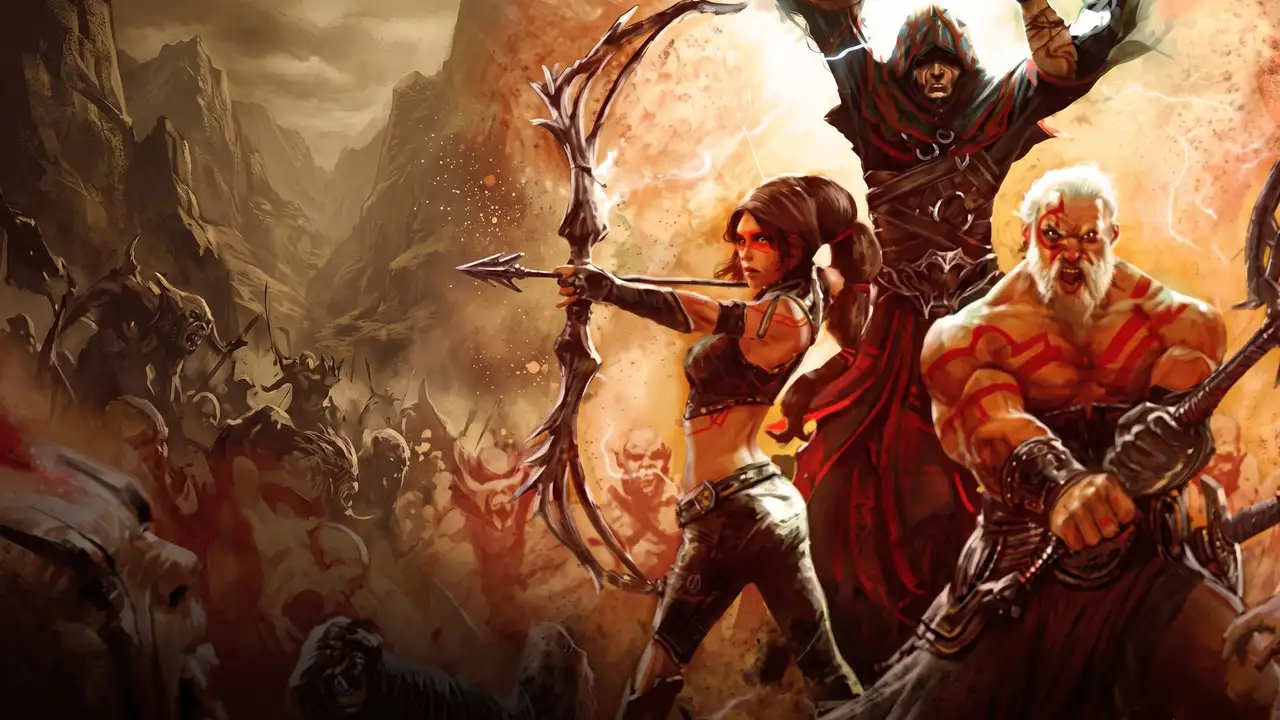
The art style and animated cutscenes are the game’s calling card, and they survived every mechanical complaint thrown at them. The two-character system is the hook: one gladiator ranged, one melee, instantly swappable, each with independent health and a revive mechanic that matters most in boss fights, where the idle companion is mercifully immune. The banter between the duo carries the character work, and the comic NPC web (a one-man religious order, a boy selling a defibrillator, a smuggler whose dog is named Dog) gives the city consistent delight.
The progression ladder is classic metroidvania design: rage mode, strong attack, dash, double jump, vertical and bursting strikes, and power armour, each gating new map edges. The bio-material economy funds upgrades and weapon mods, and deliberate farming is required to afford everything, since the game’s upgrade costs outstrip natural income. The finale is a three-seal gauntlet that tests everything learned, and the ending’s emotional beats (a deathbed confession, a post-credits turn) land on the strength of the character work even where the plot’s reveals are predictable.
The map layout fights the player. Dotted-line navigation, one-way traps and backtracking loops make getting around a chore, and enemy respawn on revisit plus occasional one-way drops taxes every return trip. Missing second-dialogue NPC payoffs costs progress repeatedly, since the game rarely signals which conversations have more to give. Bosses are largely scaled-up palette swaps of regular enemies, and the finale reveal (the mutants were humans) lands with a shrug rather than the horror it aims for.
The opening hour is the game’s real problem. There is no dodge for the first stretch, a baffling omission in a genre built on evasion, and the first boss nearly ends the run: imagine a punishing action game with no block and no roll, against an encounter that punishes every mistake with a health bar that refills on any hit. The dash unlock converts everything. Combat becomes genuinely enjoyable once evasion exists, and the second boss proves the design works when the toolkit is complete, though the hotel boss later doubles down on the first one’s flaws by letting the melee character take damage there and letting enemies spawn endlessly.
Stability is acceptable, with one controller-disconnect hard-freeze bug reported early and never seen again after a restart. The economy’s farming requirement and the finale’s gauntlet both reward the player who has learned the systems, and the post-credits stinger sets up a sequel the art style deserves.
Overall, this is a stylish metroidvania with a real identity buried under an opening hour that actively works against it. The art, the logs and the two-character hook earn a recommendation, but the pre-dash stretch, the maze-like map and the boss imbalance mean patience is required. Push through, get the dash, and the game it wants to be finally shows up.