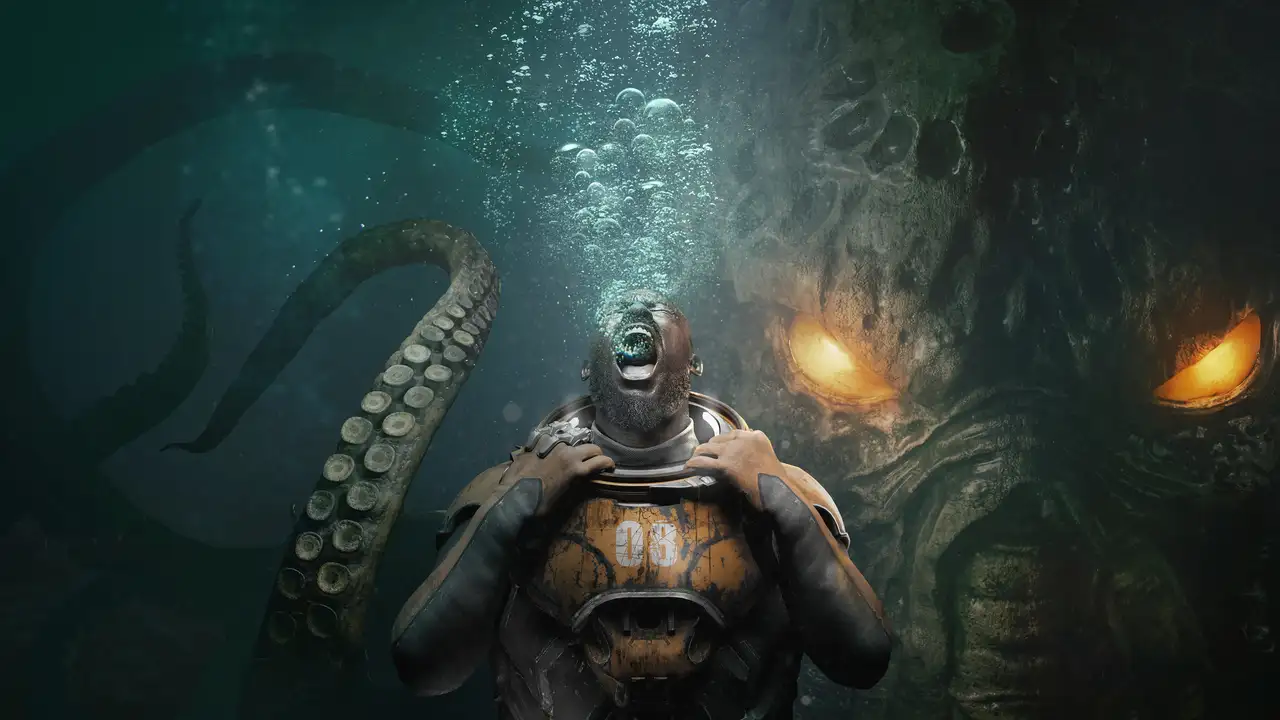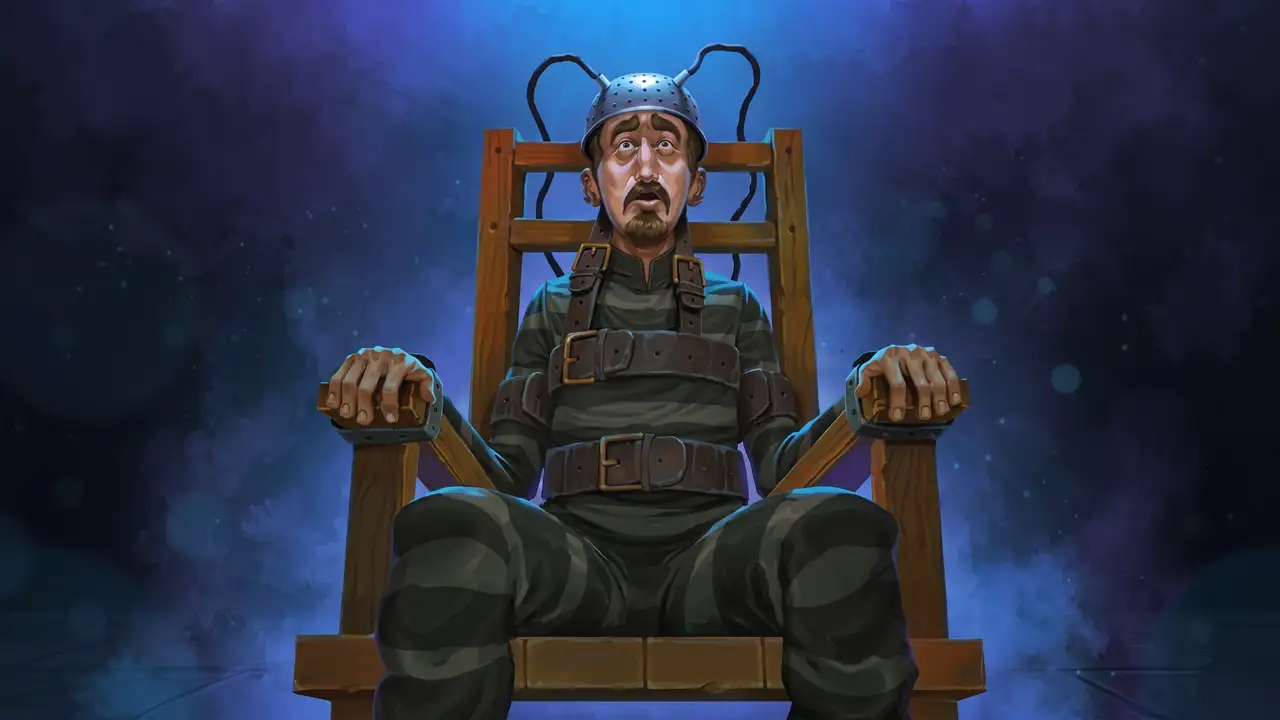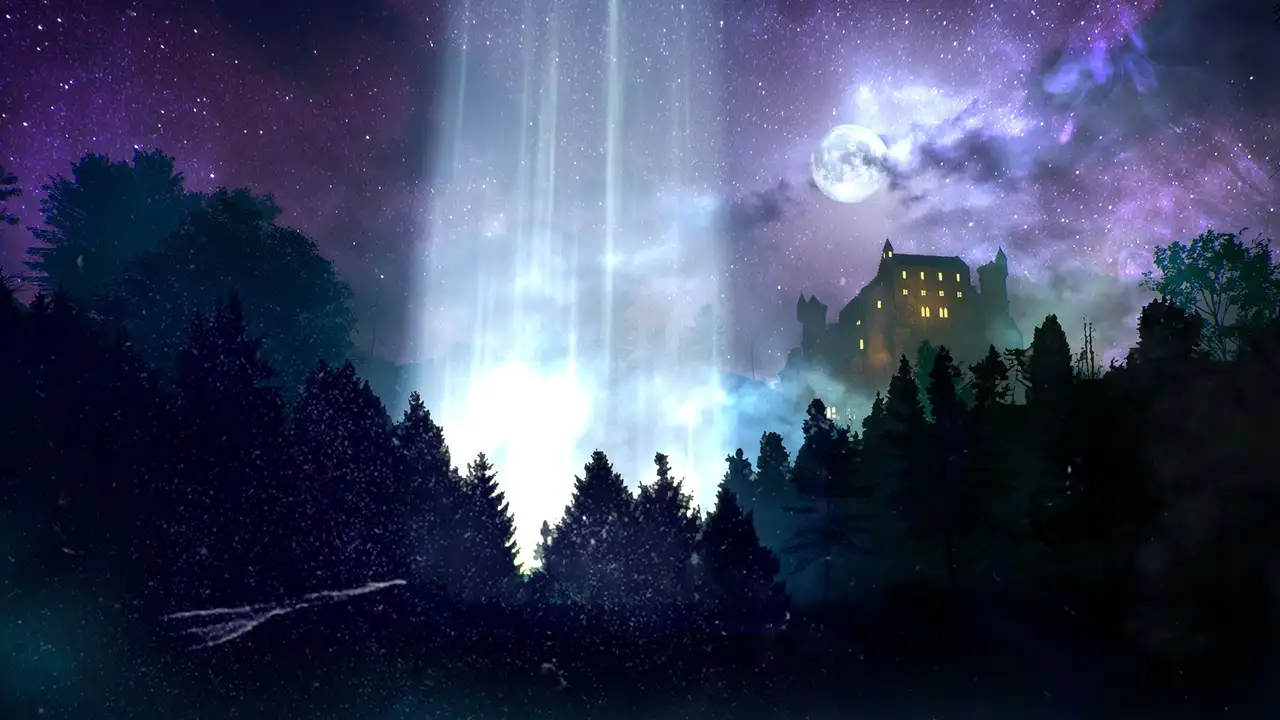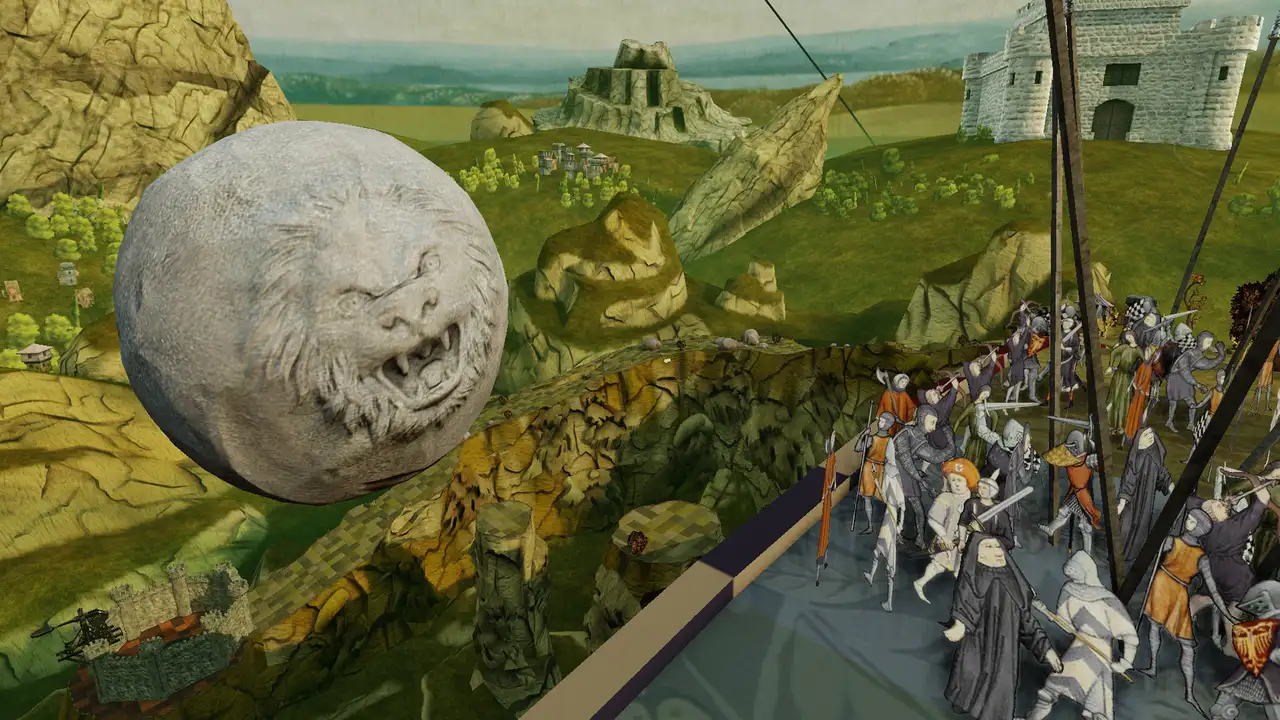
A dead vlogger, killed by a dog, strikes a deal with the Reaper and drags a street gangsta sidekick through Hell in search of content for a dying channel. Tram stations, dive bars, cold mountains and the Devil’s corporate office all unfold in 2D cartoon satire, with a laser-targeted pop-culture reference packed into nearly every line of dialogue. The framing device, a channel one upload away from a real job, is the joke that keeps giving. The tone stays snarky without tipping into cruelty, and the satire lands on blogger culture, Apple, tech-support Hell and government corruption with equal confidence.
Reference density is the game’s identity. Full Throttle, Terminator, Game of Thrones, Frozen, Back to the Future, The Matrix, Batman, Alien and a Twitter gag all surface, and the writing’s best trick is having characters start a reference and then swerve away with a “no, copyright” dodge. Every borrowed joke is followed by a subversion, which keeps the cadence from flattening into name-dropping. The LucasArts heritage is worn openly and earned through writing density rather than visual imitation.
The Tab-highlight system is the standout quality-of-life feature, cleaner than genre standard, letting every interactive element and dialogue option surface with a single key press. Better still, the Sarah reminder tool on the in-game smartphone offers nudges when puzzles stall, the kind of hint system most point-and-click games refuse to ship. Soft-walls never harden into genuine frustration because the game is always willing to meet the player halfway. It is a design philosophy more adventures should adopt.
The photograph-everything vlogger verb turns sightseeing into the game’s best running joke, rewarding pictures of every scene and character with achievements. Watching a protagonist shove a phone into a demon’s face for content is exactly the satire the writing is aiming for, and the mechanic makes the influencer-vanity theme playable rather than merely spoken. The phone upgrade chain, from brick to texter to smartphone with Sarah hints, provides the closest thing to progression.
Puzzle design leans on Rube Goldberg absurdity: charging a phone with a microwave, an apple and a magnet, winning a tram ride with a devil’s mic stand and champagne, buying a biker’s cooperation with a recorded track, bribing a politician with hellfish and fancy champagne, breaking into a club with a soul-swap journal, and forging a visitor’s pass through coffee-machine sabotage. The finale assembles a TNT-clown, a soul machine and a stamp into a proper climax. Two backtrack trips to the hacker’s cabin are the only real padding.
Presentation wobbles where the writing does not. Static-image scene transitions snap awkwardly between locations, worst on the island boat, and small animation quirks (a frozen clock at 10:01, a bartender’s odd twitch, a stray rocket-chair visual bug) betray the budget. A fake-out ending that initially reads as a bug is actually deliberate, but the confusion it causes is real. The obnoxious-protagonist voice is true to form rather than a flaw, though the line between character and irritation stays thin at the margins.
Overall, this is a short, sharp LucasArts homage whose obnoxious surface hides genuinely sharp satire about souls, deals and influencer vanity. The reference-a-line writing, the forgiving hint system and the photograph-everything verb carry it comfortably past the static-image transitions and soft-wall friction. It does exactly what the title promises, and the theme lands where it counts.