The Leopold has collided with a two-hundred-year-old ghost ship orbiting an ice planet, and the middle volume of the trilogy spends its four-hour runtime (matched by the game’s own planet-fall countdown) crossing the derelict. Dripping, gothic industrial sci-fi carries the atmosphere: goo-covered corridors, corpse-strewn cargo holds, and monitors studded with eyeballs that make every room feel watched. The premise, a centuries-old scientist whose alternative-evolution experiments overran the station, gives the shooting a transhumanist villain with actual ideas behind him, and the sequel continues directly from its predecessor’s cliffhanger with confidence.
Weapon feel is the run’s most consistent pleasure. The assault rifle is dependable, the minigun-style Hyper Blaster shreds hordes with a satisfying roar, and the flamethrower gives crowd control real bite; upgrades at the Intex vending machines (damage, medkit effectiveness, bone-melee) arrive fast enough that every credit earned has an immediate home. Deployable sentries at power points add tactical texture, and secrets tucked behind monitors reward thoroughness. Combat, in short, is the part that never disappoints.
The storytelling works better than it has any right to. Klein’s evolution experiments and Carol Wentworth’s diary entries deliver the horror through found documents, and the diary of a station dying of a manufactured flu is the grimmest stretch in the game: quarantine, a pregnancy lost to the lie, and a final entry that lands hard. Mia’s synthetic mind becomes the contested prize, and the villain’s closing immortality sales pitch is genuinely well-written villainy, delivered just as the self-destruct fires.
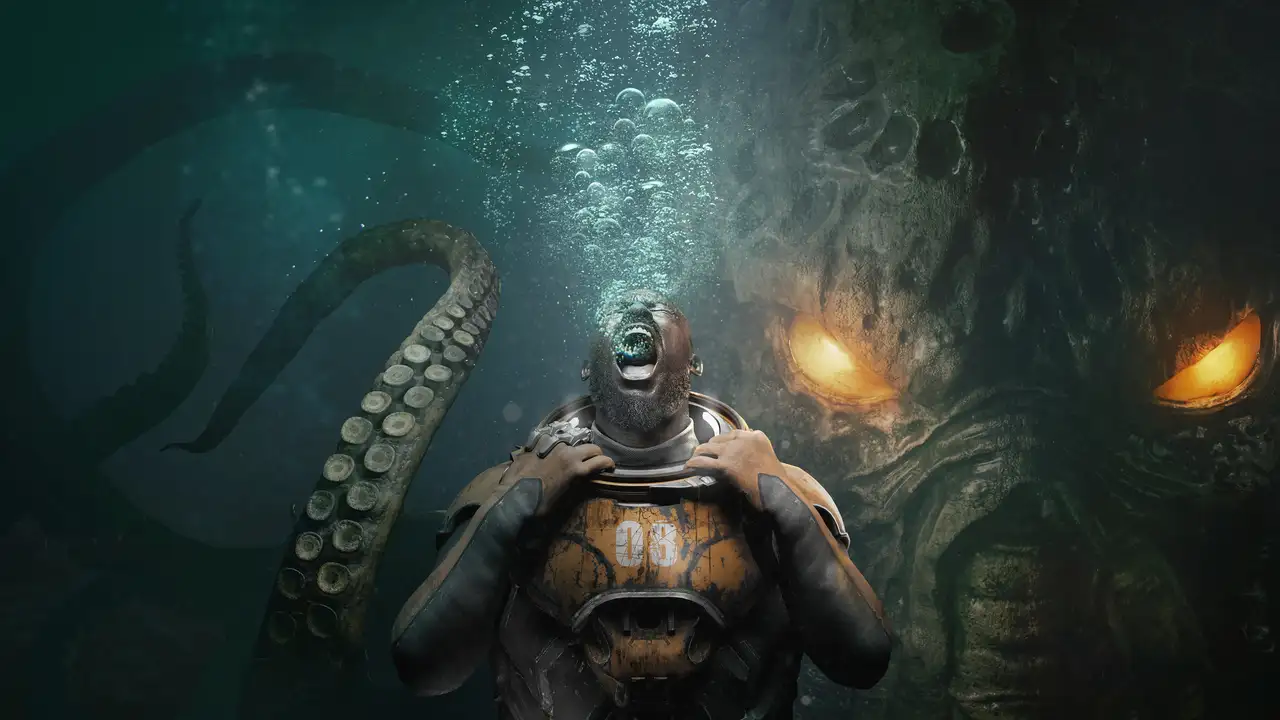
Locked-camera set-pieces break the top-down routine as a surprise delight. The spiral room and the defence-gun holdout pin the camera to specific angles and turn familiar corridors into staged set-pieces, and both segments are strong enough to warrant wanting more. The two proper bosses (the ammo-hungry Octomorph and the monorail spider) land as spectacles even when they drain every credit of ammunition, and horde holds plus a timed escape keep the final act moving.
The structure, though, is the game of inconveniences. Every objective is blocked by a deliberately broken something, every repair demands a detour to a distant breaker, and the loop wears thin because not a single plan survives contact intact. Alien spawning compounds the irritation: creatures pop out of walls and floors inches away, jump-scares functioning as difficulty rather than challenge. Inconsistent melee and HP values, quirky shop stock, and the comic absurdity of carrying the commander’s decomposing head in implausibly huge pockets add colour and friction in equal measure.
The ending is the genuine misstep. After two mid-game bosses, the climax is a walk to a middle room and a cutscene: the self-destruct fires mid-monologue with no fight to settle the score, a structural debt the sequel must repay. No weapon wheel and no dodge complete the archaic feel; weapon cycling means scrolling through the whole arsenal mid-firefight, and damage no longer slows the protagonist, a change that plays as both good and bad. The cliffhanger structure is deliberate, existing to sell the next volume, and it shows.
Overall, this is a fun, flawed middle chapter: properly kick-ass weapons, a readable log-driven tragedy and two standout set-piece styles carry it, while the detour loop, the cheap spawning and the bossless ending hold it back. As an invoice for the finale it works; as a standalone campaign it is comfortable, punchy and a little too willing to repeat its predecessor’s tricks.