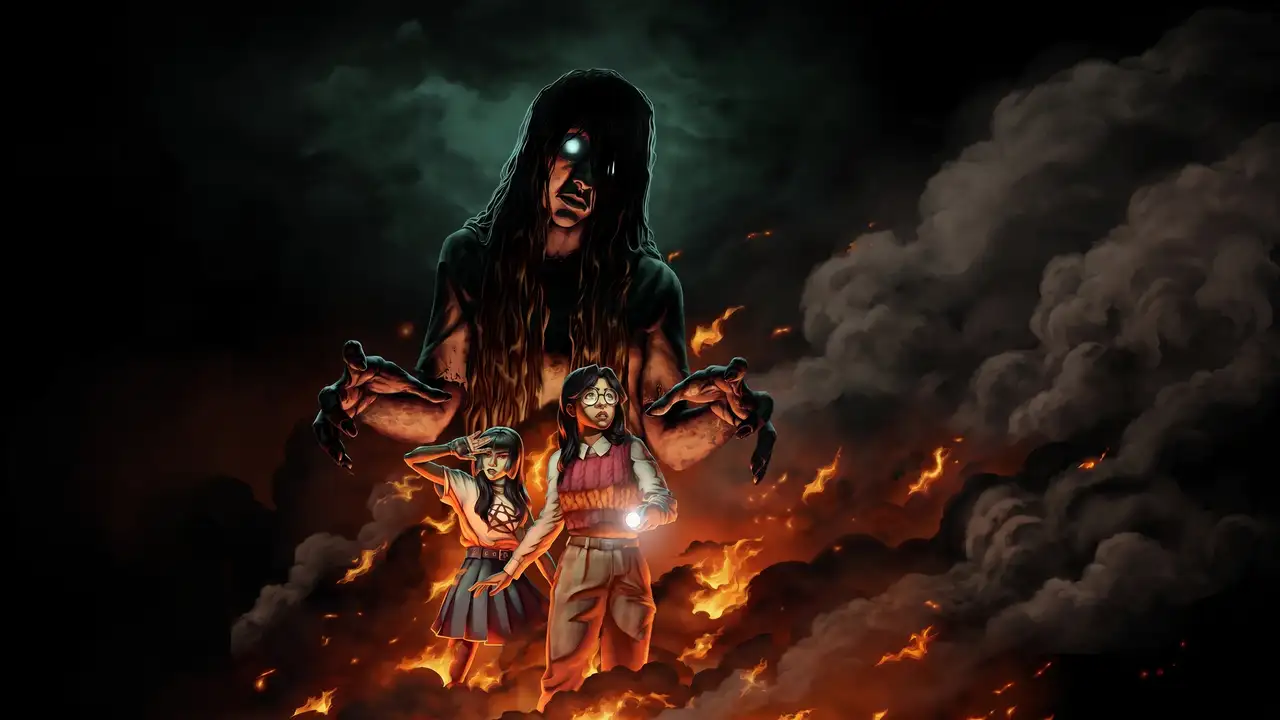
A mysterious entity called the Departed issues death notices targeting students at Kono hara Academy, hiding as a human within the school while summoning spirits (a toilet-dwelling schoolgirl legend, a slit-mouthed attacker, a faceless teacher) to do its killing. Spirit Hunter: Death Mark II builds its horror visual novel on the series’ formula: investigate each spirit case to uncover the grudge, then deduce the Departed’s identity from the evidence gathered. The school-mystery framing gives the structure a satisfying whodunit shape, with the Departed acting as a cunning serial-killer spirit obsessed with the protagonist. Hand-drawn art carries the atmosphere across the academy’s buildings. The mystery is the core pleasure, and the deduction finale delivers on every clue collected.
The new Lost Souls system is a welcome addition absent from earlier entries: collecting eerie teeth levels up spirit max health and trades for sacred objects that reduce damage or increase execution success. Strength, intelligence, dexterity and spiritual power finally give the series the RPG trappings it always teased, and finding enough Lost Souls to level up genuinely matters across the roughly sixteen-hour campaign. Sacred objects add build choice without complexity. The mechanic rewards thorough exploration of every wing. It is the best implementation yet of the series’ RPG elements.
Body-horror set pieces land with grim impact: a severed head in a toilet, rubber hoses poking out of eye sockets, and a corpse turned into a mushroom display. The tonal balance leans slightly lighter than the first Death Mark, with fewer first-person investigation scenes, a shift tolerated but noted. The deduction finale, naming the bride hiding in the school from all the gathered evidence, is a satisfying payoff that recontextualises the monster as a victim of a wedding ritual gone wrong. The true ending’s emotional epilogue, repairing the doll and forgiving the Departed, elevates the closing hours. Multiple endings honour the case accuracy throughout.
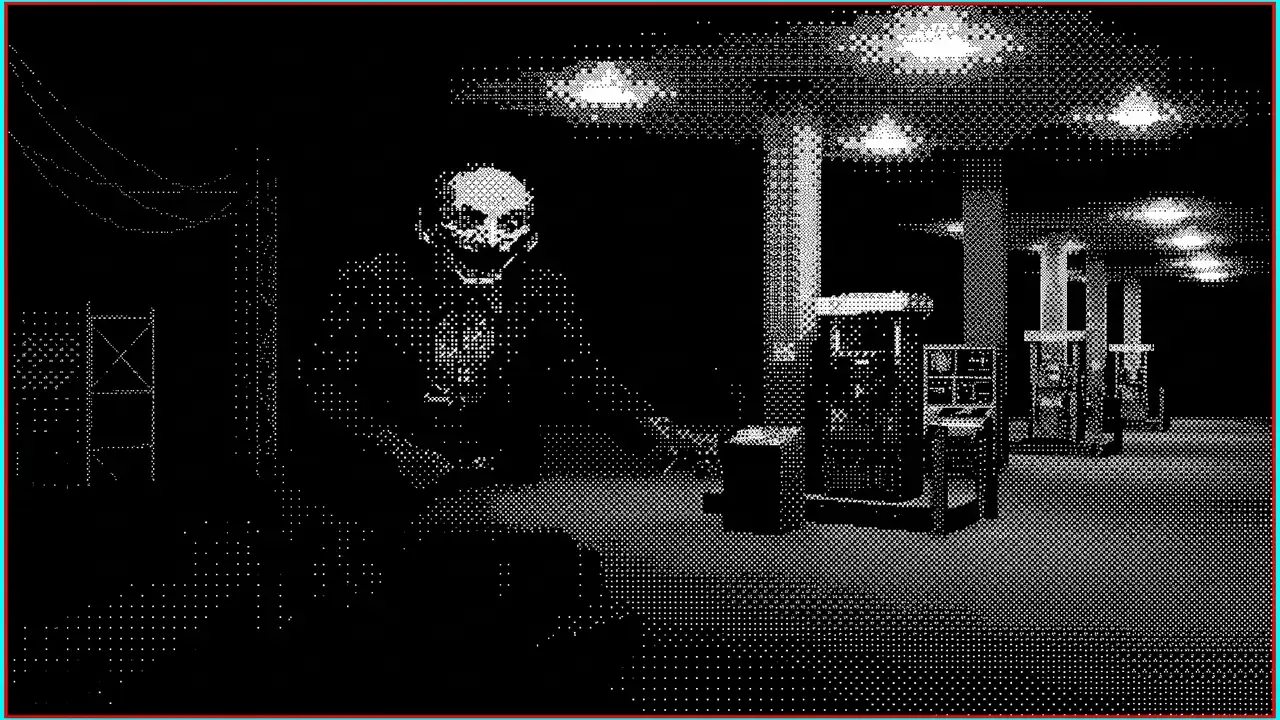
Suspensive acts (choosing the right character, item and action under pressure) are more forgiving than previous games, with multiple stages offering only one lethal wrong choice, which reduces tension and invites trial and error. Jump scares are predictable, tied to transitions whose longer loading times function as the trigger itself, far less subtle than the first game’s flashlight-reveal apparitions. The translation’s name handling is messy: inconsistent romanisations and an easily misheard name briefly derail the deduction, while places named only by letter (H City, M Station) beg for actual names. Long, exposition-dense dialogue blocks stretch between investigation segments, harking back to command-line days.
The chapter structure introduces a new spirit case per chapter, and the pacing holds across the four-session runtime better than the exposition density suggests. The clock tower chapter’s scripted shock lands hard, and the repeated dear-husband taunt wears thin by design, a villain tic that curdles from creepy to comic. Character deaths carry weight because the survival stakes are legible. The hand-drawn art style remains the series’ visual signature. The Princess Mark extra chapter extends the package for completists.
The finale’s tragedy elevates the whole: two spirit brides whose stolen bodies and grudges reframed as victimhood give the monster an emotional gravity rare in the format. The choice to name both brides pays off the investigation honestly, rewarding attentive players without demanding perfection. The horror works because the mystery works. Forgiveness as an ending beat lands because the evidence supports it. The formula’s best instalment so far.
Overall, a very good horror visual novel whose deduction-driven mystery structure, new Lost Souls levelling and emotionally resonant true ending earn the long runtime. Predictable transition-triggered jump scares, lighter body horror than the first game and messy translation names are real costs, yet the finale that turns its monster into a tragedy makes this the series’ strongest entry.