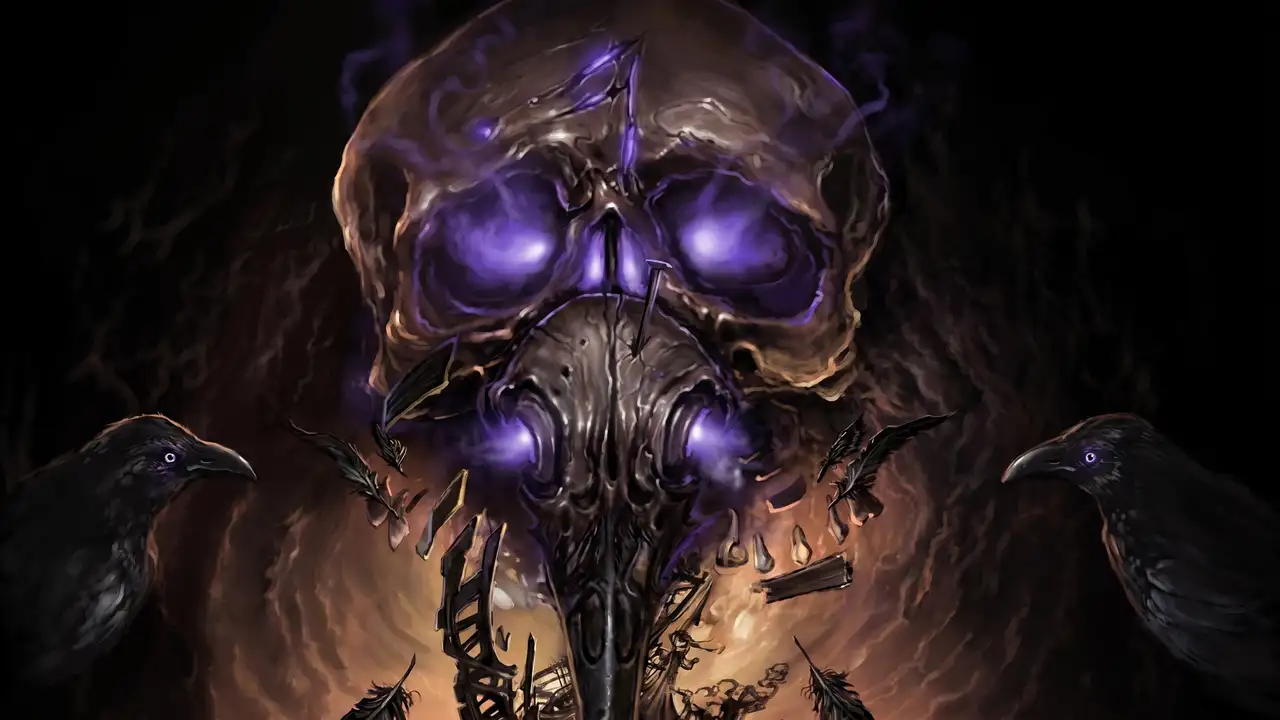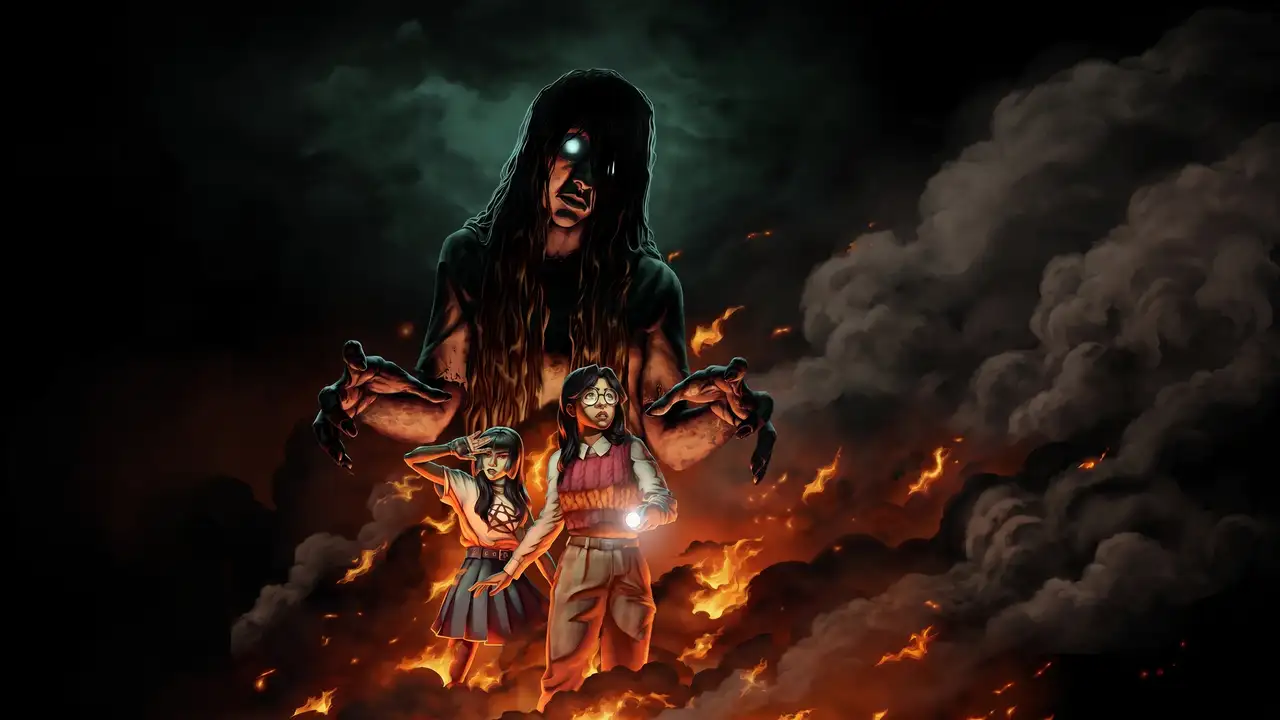
A therapy session frames the whole game: a grieving patient recounts a dream too vivid to be a dream, and the story plays out in a liminal venue between life and the afterlife where ghosts run a dinner party and wait for a living visitor to open a portal. The painterly 2D dread is unmistakably the work of the Distraint and HEL developer, recognisable from the art alone, and the lineage shows in the inventory logic and the melancholy register. A heartbeat-thrum sub-bass under the interiors, a palette that darkens exactly when the story does, and quiet that does more work than any monster establish the atmosphere. The horror is existential rather than visceral, and the restraint suits it.
The camera obscura is the entire verb set, and it is unlike anything else in the archive. Photographing things into and out of existence reveals hidden objects and passages, erases obstacles, banishes apparitions and doubles as a light source when the power cuts. Where other games use a camera as a weapon, this one makes it a sculpting tool for reality itself, and the flash-as-torch application turns a dark room into a puzzle of coverage. It is a genuinely original mechanic, and it carries the game.
The ghost cast gives the limbo venue its personality. The trembling ice sculptor, the striking postman, the faceless man and the hospitable Mrs Ewin each receive a small, sad, complete arc, and the peculiarities are distinct enough that the question of whether the dreamer invented them becomes part of the texture. Puzzles run on classic inventory logic: soaking the towel, unsticking the freezer with a squeak, melting ice with a basin, growing a rose for the sculptor. A mid-game fear survey quietly customises the experience, a touch that rewards the systems-minded.
Soft-walled puzzle logic is the friction. The camera solves problems invisibly (the fridge door that only disappears when photographed, herbs that need shooting), and the solution grammar is never fully legible, producing several long stuck stretches where photographing everything is the only strategy. The postman’s hat hunt is the most punishing fetch, with the hat landing somewhere never considered until an attic board resolves it. The logic is fair in retrospect and opaque in the moment, the classic trade of the format taken slightly too far.
There is no real threat anywhere. Only one late sequence can kill, and the psychological-horror framing is never backed by fail states, chases or combat, which rationalises the missing sprint but also flattens the stakes. Save points feel decorative, and the quiet stretches plus backtracking occasionally outstay their welcome in a game that runs a bit over two hours. The absence of danger is a defensible artistic choice, but the single dangerous finale proves the game knew how to generate threat when it wanted to.
The grief framing is what converts the puzzle structure into feeling. The therapy session, the dead father, the portal object revealed as ashes and the closing voicemail make the whole limbo premise an allegory for unanswered goodbye, and the final chest-tightening lands with weight that the preceding hours had earned quietly. The father’s face forming in blood from the well is the emotional peak, and the name restoration woven through the faceless man’s thread completes the theme. As a sad story about saying goodbye, it works completely.
As a Makkonen piece it sits neatly beside its siblings, distinct in mechanic but consistent in tone, and the therapy-frame device where the entire game is a story told aloud gives it a structural identity of its own. The originality of the camera justifies the package even where the logic frustrates, and the brevity suits a story this restrained. One sitting is the right way through it.
Overall, this is a small, sad, mechanically original ghost story whose camera obscura (revealing, erasing and lighting reality) earns genuine distinction, despite soft-walled puzzle logic, a maddening hat fetch and a near-total absence of danger. The grief allegory lands, the ghost cast lingers, and the whole amounts to a quiet evening with one of the more inventive puzzle verbs in recent memory.