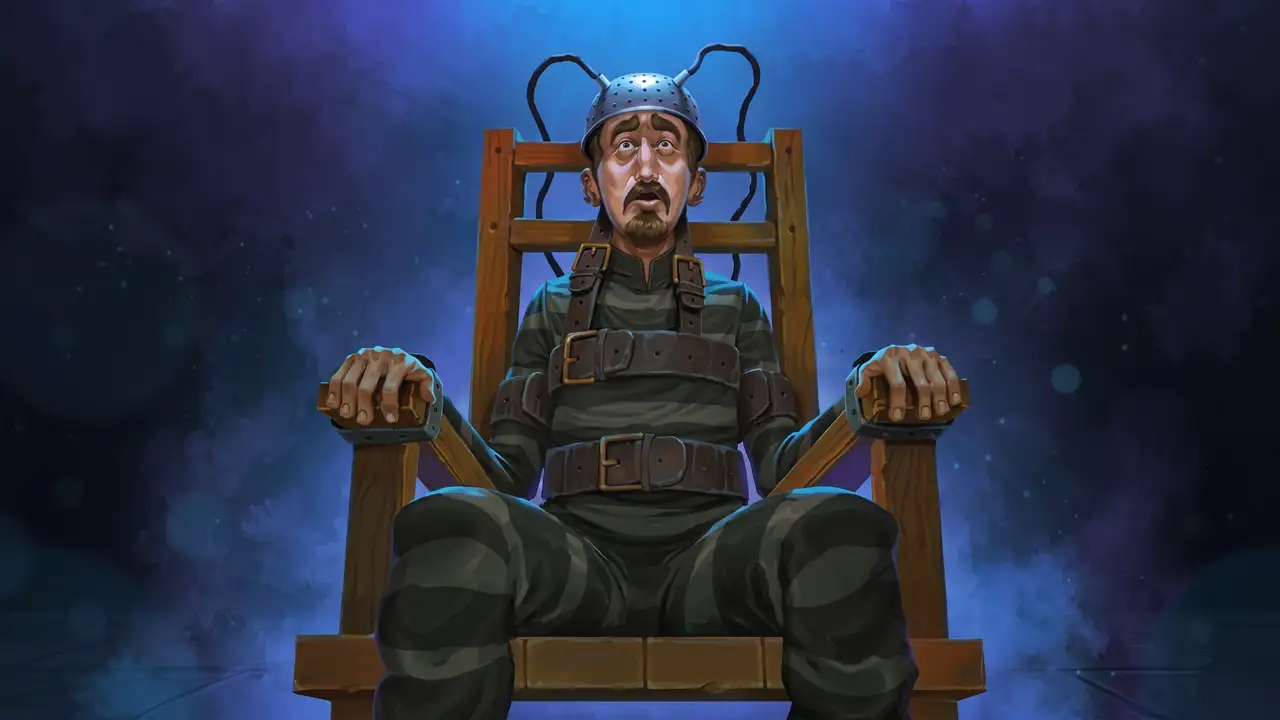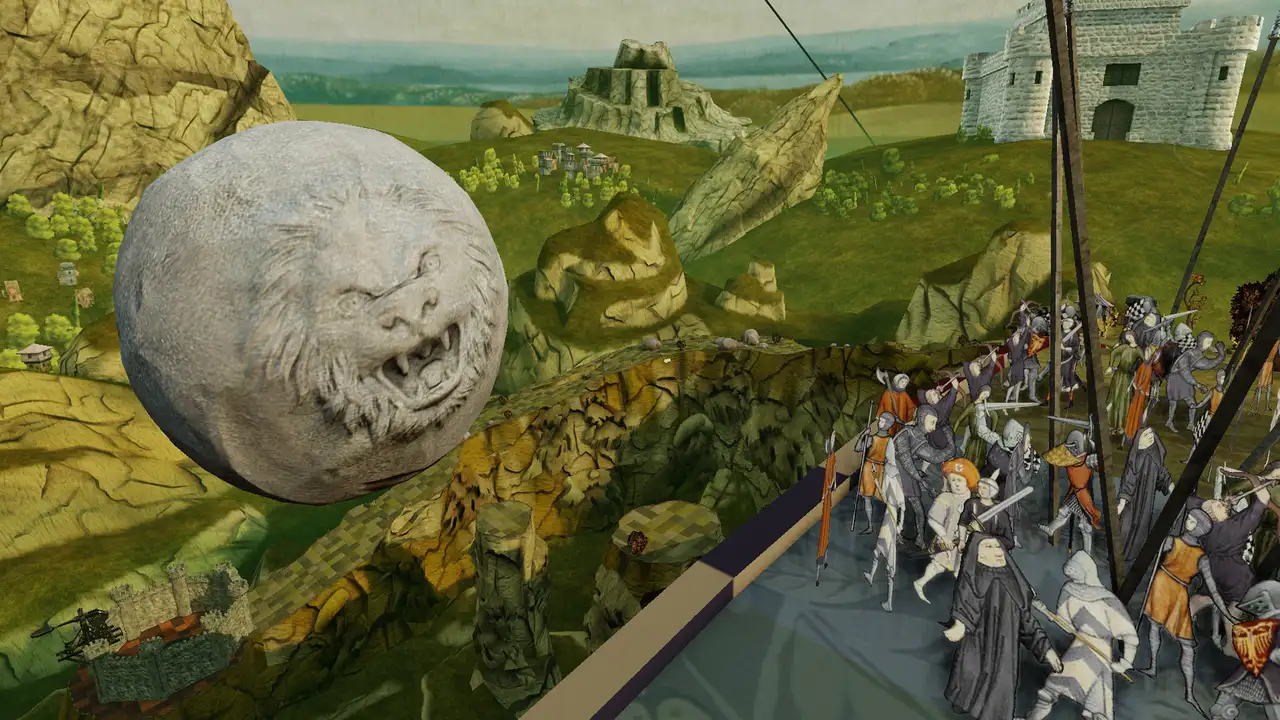
A detective arrives on a derelict Birmingham street to investigate the death of an old man outside an abandoned mansion, with a shadowy organisation called the Red Order watching from the margins. The title screen promises dread, flickering lights and unseen figures; the game delivers something quieter and stranger, a psychological mystery where hallucinations, visions of the protagonist’s mother and a mansion that literally rearranges itself carry the atmosphere instead of jump scares. The presentation sets one expectation and the design builds another, and the mismatch persists from the first corridor to the last tape.
The reading view is the standout feature. One button redraws illegible in-world text, from cursive notes dense enough to recall deciphering Riven, into plain legible type, and the toggle transforms dense worldbuilding about gangs, the king’s emissaries and the Order’s medical-research front from a squinting exercise into genuinely digestible lore. It is an accessibility touch few adventure games of any size bother with, and it makes the collectible notes and VHS tapes worth hunting rather than skimming.
Exploration tracks cleanly through a Resident Evil 2-style map, with red marking unfinished areas and turquoise marking fully swept ones, making it simple to see what a corridor still owes. The trippy illusion sequences rearrange the mansion’s layout around the protagonist as the visions deepen, giving the crawl a shifting structure few point-and-click adventures attempt, and the surreal transformations are the unexpected highlight of the middle stretch.
Movement runs on fixed point-and-click nodes, an unusual scheme that takes adjustment and still misfires late into the run when the wrong node gets pressed. The locked dining room compounds the friction: returning to it requires a long scenic detour every single time, a design decision that punishes backtracking in a genre built around it. Manual save points and achievement pop-ups that cannot be disabled round out the small annoyances.
Puzzles skew easy, and several resolve by trial and error rather than deduction. The inventory carries the structure, with four artifacts to place, keys to hunt, a voicemail-order puzzle, portrait spotlight colours and keypad codes feeding the chain, but one exception dominates: the Disculus gear-rotation riddle, a genuinely opaque brain-teaser whose rotation logic stumps until the conceptual leap lands, standing as the game’s single hardest problem by a distance. The heart-colour sequence and the chapel-key hunt, which initially reads as a soft-lock before resolving harmlessly, fill out the middle.
The atmosphere works in a quiet register, with silence doing more unsettling work than any scare, and the final tape lands the family story with genuine emotional force. The production wears its small-studio scale openly, thick non-native accents included, and the modest length means the ten hidden masks and VHS tapes offer the only tail, with completion tracking leaving some unreachable and the full hundred percent difficult to verify.
Overall, this is a charming small-studio adventure that is far less horror than its marketing implies, carried by the reading-view toggle, the shifting-mansion surrealism and a map system that respects thorough exploration. Fiddly node movement, the dining-room detour and fuzzy completion tracking are real gripes, yet the quiet unease and the one genuinely devious gear puzzle make the evening worthwhile.